Tufted Wood Mushroom Care (Agaricus impudicus)

Tufted Wood Mushroom

About Tufted Wood Mushroom

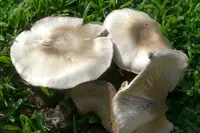
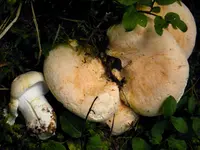
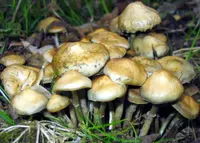
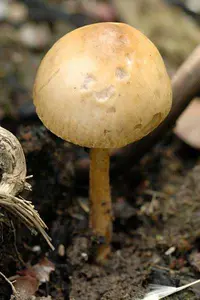
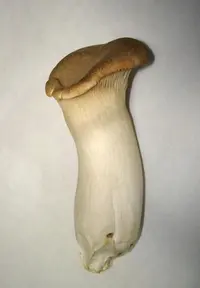
Tufted wood mushroom, Agaricus impudicus, is a saprophytic fungus that lives on decaying wood and forest litter rather than a traditional green plant. It typically forms dense clusters of medium-sized, pale to brownish caps with sturdy stems, often emerging along woodland paths and in mixed forests.

This species is most often found in temperate regions of Europe, especially in moist, shaded, humus-rich sites. It can be challenging to cultivate deliberately because it depends on complex woodland soil conditions and decaying organic matter. For those exploring how to care for Tufted Wood Mushroom, it is usually easier to encourage it in semi-natural woodland-style beds than to grow it in standard garden soil.

Main Plant Requirements

Care Difficulty

Hard Care

Light Preference

Shade

Water Requirements

Keep Soil Moist

Temperature Preference

Cool Climate

Hardiness Zone

Unknown

Soil Texture

Loamy, Silty, Organic-rich

Soil pH

Acidic (5.5–6.5), Slightly acidic (6.5–7.0)

Soil Drainage

Moist but well-drained

Fertilization

Minimal (feed rarely)

Get Personalized Care Plan

Scan your plant to receive care tips personalized for your specific plant

Available on iOS and Android

How to Care for the Tufted Wood Mushroom

This woodland mushroom prefers low to moderate light that mimics a shaded forest floor.

  • Provide dappled or full shade with only brief morning sun, aiming for no more than 1–2 hours of direct light per day to protect the developing fruiting bodies.
  • Site Tufted Wood Mushroom beds under deciduous trees or on the north or east side of structures where light is filtered and the substrate surface stays cool.
  • In summer, use leaf litter or shade cloth if necessary to prevent substrate drying and sunscald, while in late autumn slightly increased light is less harmful as air temperatures drop.

Moist, not waterlogged, substrate is essential for reliable fruiting of this woodland species.

  • Keep the upper 2–5 cm of leaf litter or composted substrate evenly moist, using gentle watering or misting when the surface looks dull and begins to feel barely dry.
  • Ensure excess water can drain or percolate away; persistent puddling, sour smells, or slimy patches indicate overwatering and poor aeration that can damage mycelium.
  • Reduce watering frequency during cooler periods when evaporation slows, but never allow the substrate to dry out completely, as Agaricus impudicus will stop fruiting and may retreat deeper into the soil.

This species fruits best in cool to mild conditions that resemble autumn woodland weather.

  • Aim for an active growth and fruiting range of 50–64°F (10–18°C), which supports steady mycelial activity and cap development.
  • Expect reduced or halted fruiting above about 70°F (21°C); sustained heat over 77°F (25°C) can stress the mycelium, especially if combined with low moisture.
  • Protect from hard frosts below about 28°F (-2°C) by using thicker mulch or leaf litter; light frosts may be tolerated, but repeated freeze–thaw cycles can damage shallow mycelial layers.

This woodland fungus forms best when air and substrate humidity stay consistently high.

  • Aim for 70–90% air humidity around the Tufted Wood Mushroom bed, with substrate kept evenly moist but never waterlogged.
  • Dry air causes caps to crack, edges to curl, and pins to abort before maturing.
  • Increase humidity by using a plastic humidity tent or lidded tub with air vents and frequent fine misting of the enclosure walls, not directly on caps.

Agaricus impudicus needs a loose, organic-rich substrate rather than standard potting soil.

  • Use a deep layer of well-rotted leaf mold or compost mixed with shredded wood debris to mimic forest litter.
  • Maintain a crumbly, airy structure that drains freely yet holds moisture, avoiding dense clay or compacted ground.
  • Keep pH slightly acidic to neutral, around 6.0–7.0, by blending leaf mold with neutral garden compost rather than alkaline amendments.
  • Improve aeration and drainage by mixing in coarse bark chips or chunky wood-based material while avoiding sand that can compact when wet.

This woodland mushroom is not naturally suited to containers, but it can be maintained in tubs that mimic a deep forest-litter bed.

  • Choose a wide, deep plastic storage tub that holds a 15–20 cm layer of substrate while retaining stable moisture levels.
  • Drill side and base holes for slow drainage and gas exchange, then elevate the tub so runoff cannot pool underneath.
  • Place the container in a shaded, cool outdoor spot sheltered from wind to prevent rapid surface drying and temperature swings.

Agaricus impudicus grown in beds or logs needs only light nutrient support, since it decomposes organic matter for most of its needs.

  • Use well-rotted compost or manure mixed into the substrate before spawning rather than synthetic balanced NPK fertilizers.
  • Refresh or top up the organic substrate each growing season to maintain moderate nutrient availability.
  • Avoid high-salt or strong chemical fertilizers, which can damage the mycelium and reduce yields of Tufted Wood Mushroom.
  • During winter or non-fruiting periods, do not add fertilizer; focus on maintaining moist, cool, aerated substrate.

Pruning is not part of Agaricus impudicus management, since mushrooms are fungal fruiting bodies rather than woody plants.

Transplanting Agaricus impudicus focuses on moving or renewing its colonized substrate rather than handling individual mushrooms.

  • Transplant when mycelium has fully colonized a tray, bag, or bed and yields start to decline or growth slows.
  • Best timing is between flushes in cool seasons, keeping the substrate temperature stable during handling.
  • Every 1–2 years, prepare fresh, pasteurized organic substrate and introduce spawn from healthy, vigorous mycelium.
  • Minimize stress by moving colonized blocks gently, maintaining moisture, and avoiding direct sun or strong air currents during transfer.

Propagation of Agaricus impudicus relies on spawn production rather than typical plant methods like cuttings or seeds.

  • Use commercial grain or sawdust spawn, produced from pure culture in sterile laboratory conditions.
  • In early cool seasons, mix spawn thoroughly into pasteurized compost or manure-based substrate.
  • Maintain high humidity, good aeration, and cool, stable temperatures to encourage mycelium colonization.
  • For long-term continuity, obtain fresh spawn periodically instead of trying to culture from wild mushrooms at home.

Outdoor Agaricus impudicus beds in temperate climates usually need only modest winter attention, as mycelium tolerates cool conditions if not exposed to extremes.

  • In very cold regions, add a 5–8 cm mulch layer of straw or leaves over outdoor beds to buffer freeze–thaw cycles.
  • Keep substrate just slightly moist; avoid waterlogging that can lead to rot in cold soil.
  • Move containers or trays into an unheated garage, shed, or cold frame when prolonged hard frost is expected.

Care Tips

Use fresh spawn

Always start with fresh, lab-produced spawn from a reputable supplier and avoid using older or dried-out material, as vigorous spawn colonizes the substrate faster and reduces contamination risk.

Pre-pasteurize substrate

Before inoculation, heat straw, woodchips, or leaf litter to 140–160°F for 60–90 minutes to kill competing fungi and bacteria while preserving beneficial microorganisms that support Agaricus impudicus growth.

Maintain shaded bed

Establish outdoor beds in a consistently shaded, wind-sheltered area and use a 2–3 cm layer of leaf litter or bark on top to mimic woodland floor conditions and keep the substrate evenly cool and moist.

Staggered flush management

After each harvest, gently remove spent mushroom bases and lightly fork only the top 1–2 cm of the bed surface to improve gas exchange without disturbing deeper mycelium, encouraging further flushes when caring for Tufted Wood Mushroom.

Slug and rodent control

Protect beds with low barriers, copper tape, or fine mesh where slugs and small rodents are common, and harvest mushrooms as soon as caps expand to reduce losses to grazing wildlife.

Common Pests and Diseases

Fungus gnat larvae

This pest lives in and around decaying organic matter and can tunnel into developing mushroom mycelium and primordia. Symptoms include stunted or misshapen caps, small feeding pits, and black adult gnats flying when the growing area is disturbed.

Solution

Use fine insect-proof mesh on vents and openings, and avoid leaving exposed, wet organic debris near the crop. Sticky traps help monitor and reduce adult numbers, and a biological control such as Bacillus thuringiensis israelensis (Bti) or entomopathogenic nematodes can be applied to the substrate to reduce larvae without harming the fungus.

Sciarid fly larvae

These insects are small dark flies whose larvae feed within the substrate, damaging mycelium and creating channels that invite secondary contamination. Symptoms include slow colonization, patchy mycelial growth, and discolored or malformed fruiting bodies.

Solution

Maintain tight hygiene around the growing space, filter incoming air, and seal gaps to prevent adult flies entering. Remove heavily infested substrate and use targeted biological controls such as Steinernema feltiae nematodes or Bti drenches to lower larval populations while protecting the crop.

Green mold (Trichoderma)

This disease is caused by Trichoderma species that colonize the substrate faster than the mushroom mycelium. Symptoms include white, then bright green powdery patches on the substrate surface, often with suppressed or completely absent mushroom formation nearby.

Solution

Discard or isolate contaminated batches promptly, as spores spread easily in air and on tools. For future cycles, use properly pasteurized or sterilized substrate, work in a clean area, avoid over-wetting, and disinfect tools and containers between uses to reduce spore load and improve Agaricus impudicus care instructions.

Bacterial blotch

This disease is typically caused by Pseudomonas species thriving under cool, very wet conditions. Symptoms include yellow to brown greasy spots on caps, sometimes merging into larger discolored patches and making mushrooms unmarketable.

Solution

Reduce free water on caps by adjusting misting schedules, ensuring good air circulation, and avoiding direct water spray on developing mushrooms. Remove and discard affected fruiting bodies, then clean surfaces and equipment with a mild disinfectant to lower bacterial levels in the growing area.

Interesting Facts

Unpleasant garlic odor

The fresh fruiting bodies release a strong, often offensive garlic or coal-gas-like smell, which becomes more pronounced when the flesh is cut or crushed. This odor helps distinguish it from many similar white-gilled Agaricus species that smell pleasantly of mushroom or almond.

Bruising and color change

When handled or damaged, the white flesh can slowly discolor to reddish-brown, especially in the stem base. This bruising pattern, combined with the smell and habitat, is used by field mycologists to identify the species.

Late-season forest specialist

This mushroom typically fruits in autumn, often late in the season, and is associated mainly with coniferous or mixed woodland, frequently near paths or forest edges. It grows on nutrient-rich soil rich in leaf litter and woody debris, playing a role in breaking down organic matter.

FAQs about Tufted Wood Mushroom

This woodland mushroom is regarded as inedible and is not recommended for consumption. Identification within the genus can be difficult, and similar species may be toxic. Foraging should only be done with expert guidance and strong reference materials.

Grow Healthy Plants with Botan Care

Keep your plants happy and healthy with plant identification, disease detection, and easy care guidance.

Botan plant care app — identify plants on mobile

Explore More Plants