Host tree selection
Establish plantations only near compatible conifers such as spruce or pine, since this mycorrhizal fungus relies on living roots and will not fruit reliably without a suitable host tree partner.

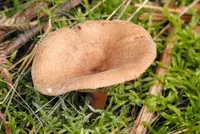
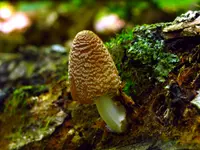
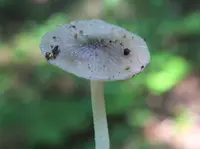
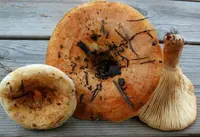
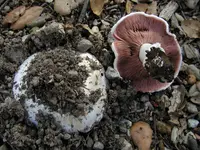
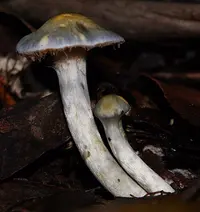
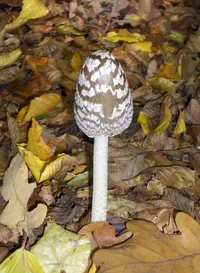
Fenugreek milkcap, Lactarius helvus, is a wild mushroom, not a houseplant. It forms small to medium caps in pale brown to cinnamon tones, often with a depressed center. The flesh and milk have a strong fenugreek- or curry-like scent that makes this species easy to recognize in the field.
It typically grows on moist, acidic soils in coniferous and mixed forests in cooler regions of Europe and North America. Because it is a mycorrhizal fungus, living in close partnership with tree roots, it is very difficult to cultivate and not suitable for typical home growing. Gardeners cannot reliably care for Fenugreek milkcap in controlled conditions, since it depends on complex forest soil and host trees.

Care Difficulty
Hard Care

Light Preference
Partial Shade

Water Requirements
Keep Soil Moist

Temperature Preference
Cool Climate

Hardiness Zone
Unknown

Soil Texture
Loamy, Peaty, Organic-rich

Soil pH
Acidic (5.5–6.5)

Soil Drainage
Moist but well-drained

Fertilization
Minimal (feed rarely)
Scan your plant to receive care tips personalized for your specific plant
Available on iOS and Android
This mycorrhizal mushroom prefers forest-type light rather than full open sun exposure.
This species depends on consistently moist, not saturated, forest soil around its tree partners.
This ectomycorrhizal fungus performs best in cool to mild conditions typical of temperate forests.
This mycorrhizal fungus needs consistently moist, humid forest-like air but not stagnant, wet conditions.
Lactarius helvus depends on specific forest soils and cannot be managed like a typical potted plant.
This species is not practically suitable for container growing because it needs a stable mycorrhizal partnership with host tree roots in natural soil.
Lactarius helvus is a wild mycorrhizal fungus that normally does not require direct fertilization when grown outdoors in suitable soil near its host trees.
Lactarius helvus forms seasonal fruiting bodies that do not benefit from horticultural-style pruning.
This species is not suited to typical pot culture, so focus on careful site selection rather than frequent transplanting.
Lactarius helvus propagation is specialized, because this fungus depends on a symbiotic relationship with tree roots.
This cold-hardy woodland fungus typically needs no dedicated winter care in its natural range.

Plant Health Check
Not sure what's wrong with your plant? Check your plant's health inside the app.
The fruiting bodies emit a distinctive sweet, curry-like or fenugreek-like smell caused by volatile compounds, which makes this mushroom easy to recognize even from a distance in the forest.
This species typically occurs in moist coniferous forests, especially with spruce and pine, and is strongly associated with acidic, often peat-rich soils such as those found in boggy or swampy woodland.
Although it was once used in some northern European cuisines as a flavoring, it is now considered poisonous due to documented cases of poisoning from cooked specimens and is no longer recommended for consumption.

Lactarius helvus forms ectomycorrhizal associations with conifer roots, creating a mutualistic relationship where the fungus improves water and mineral uptake for the tree in exchange for sugars produced by photosynthesis.
This mushroom is strongly aromatic and considered mildly toxic when eaten raw or insufficiently processed. It has caused poisonings and is not recommended for consumption. For safety, do not forage or eat it, even after cooking.
Keep your plants happy and healthy with plant identification, disease detection, and easy care guidance.