Netted Fieldcap Care (Bolbitius reticulatus)

Netted Fieldcap

About Netted Fieldcap

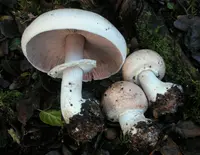
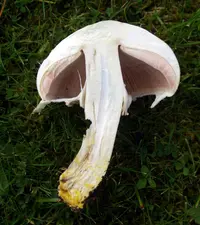
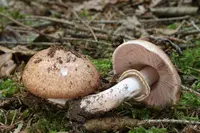
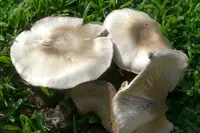
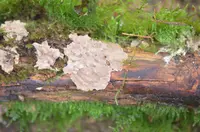
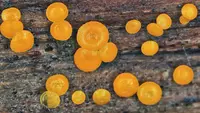
Netted fieldcap (Bolbitius reticulatus) is a small, short-lived mushroom rather than a typical houseplant. It produces delicate, slimy caps with a fine net-like pattern, often yellowish to tan, that quickly fade and collapse. The thin, fragile stems and rapid life cycle make it a transient feature rather than a long-term ornamental fungus.

This species usually appears on rich, manured soil, lawns, compost, or decaying plant debris in temperate regions. Because it is ephemeral and needs specific organic substrates, it is not practical for beginners who want to care for Netted Fieldcap as a regular indoor or garden specimen.

Main Plant Requirements

Care Difficulty

Hard Care

Light Preference

Partial Shade

Water Requirements

Keep Soil Moist

Temperature Preference

Cool Climate

Hardiness Zone

Unknown

Soil Texture

Loamy, Silty, Organic-rich

Soil pH

Acidic (5.5–6.5)

Soil Drainage

Moist but well-drained

Fertilization

Minimal (feed rarely)

Get Personalized Care Plan

Scan your plant to receive care tips personalized for your specific plant

Available on iOS and Android

How to Care for the Netted Fieldcap

This saprophytic mushroom prefers soft, indirect light similar to light woodland or lawn edges.

  • Provide bright, filtered light or light dappled shade, with 2–4 hours of gentle morning sun and shade by harsh afternoon sun to prevent caps from drying quickly.
  • Tolerates partial shade under grasses or low shrubs; dense, deep shade reduces fruiting frequency and may produce paler, weaker Netted Fieldcap mushrooms.
  • In open sites, use taller plants or structures to break direct midday sun, especially in summer when strong exposure can desiccate the substrate and shorten mushroom lifespan.

This fungus favors consistently moist, not waterlogged, conditions in organic-rich soil or lawn that mimics decomposing plant litter.

  • Water when the top 2–3 cm of soil or lawn feels slightly dry, aiming for evenly moist conditions that allow excess water to drain away within a few hours.
  • During warm, dry spells, increase watering frequency so the substrate does not fully dry out; in cool, rainy periods, reduce or pause supplemental watering to avoid soggy ground.
  • Signs of overwatering include standing water, sour smell, and slimy thatch; underwatered Bolbitius reticulatus patches show shrunken, rapidly collapsing caps and dry, brittle surrounding grass or mulch.

This mushroom develops best in mild, moist conditions typical of temperate lawns and garden beds.

  • Optimal fruiting occurs around 60–75°F (16–24°C), when moisture levels are high and temperature swings are moderate, promoting rapid but short-lived cap formation.
  • Growth slows below about 50°F (10°C) and may stop near 40°F (4°C); hard frost can kill exposed fruiting bodies but usually leaves the underlying mycelium unharmed.
  • Tolerates brief warmth up to about 85°F (29°C) if moisture is high and direct sun is limited; prolonged heat and dry wind quickly desiccate caps and reduce seasonal flushes.

This fungus prefers moderately moist air but usually adapts to typical outdoor humidity where it naturally occurs.

  • Aim for 50–70% humidity in sheltered, shaded sites to keep fruiting bodies from drying too fast.
  • It tolerates brief drier spells but caps shrivel quickly in hot, dry wind, shortening their lifespan.
  • Signs of low humidity stress include rapid cap collapse, cracking, and brittle texture within a few hours of expansion.
  • Increase local humidity by placing Netted Fieldcap near damp leaf litter, mulch, or a lightly watered mossy log.

Bolbitius reticulatus develops best in loose, organic-rich, consistently damp but not waterlogged substrates.

  • Use a mix of leaf mold or compost with fine bark and a little garden soil to mimic decaying grassland litter.
  • Aim for a moist, airy structure that drains freely; avoid compacted, clay-heavy ground that stays saturated after rain.
  • A slightly acidic to neutral pH around 6.0–7.0 supports the decomposing organisms this species associates with.
  • Improve aeration and drainage by incorporating fine bark chips or coarse sand, avoiding peat-only mixes that collapse and suffocate mycelium.

This species can be grown in shallow containers mainly for observation rather than long-term display.

  • Select a wide, shallow tray to spread the organic substrate in a thin layer, which supports the surface fruiting habit.
  • Use a rigid plastic or glazed ceramic container to retain even moisture without rapid sidewall drying.
  • Raise the container on pot feet or bricks so drainage holes stay clear and excess water escapes freely, preventing anaerobic conditions for the mycelium.

This delicate saprotrophic mushroom usually gains enough nutrients from its substrate and seldom benefits from extra feeding in gardens or containers.

Bolbitius reticulatus does not need structured pruning; only minimal cleanup is useful in a garden or cultivated setting.

  • Remove collapsed, decaying fruiting bodies with clean gloves or scissors to limit unwanted spore spread near paths or beds.
  • Cut only at the base of the stem; avoid disturbing surrounding soil or mycelium, the underground fungal network.
  • Discard collected caps and stems in the trash if you want fewer mushrooms, rather than composting them on-site.

In gardens or naturalized beds, this fungus is not repotted; management focuses on how and where it appears rather than moving it.

  • Transplanting is rarely practical, since the main organism is the hidden mycelium threaded through soil and organic debris.
  • If relocation is attempted, move chunks of colonized substrate, such as decaying mulch or manure, instead of individual mushrooms.
  • Carry substrate gently and keep it slightly moist during and after moving to reduce mycelium stress and desiccation.
  • Expect irregular establishment; even with care, the fungus may not fruit reliably in the new location.

Propagation of Bolbitius reticulatus is not typically managed by home gardeners, as the fungus already spreads effectively by spores in suitable organic matter.

This mushroom behaves as a seasonal decomposer and generally requires no specific winter care in outdoor beds or lawns.

Care Tips

Ephemeral Fruiting Bodies

Harvest and document mushrooms as soon as caps fully expand, because fruiting bodies of this species collapse within hours and early observation helps track site conditions for future flushes.

Substrate Rotation

Periodically top up or rotate in fresh, well-decayed straw or grass clipping mulch where the fungus is established, maintaining a steady supply of organic matter that supports ongoing mycelium growth.

Moisture Pulse Management

Use short, deep soakings of the substrate rather than frequent light sprinkling, as a single thorough wetting followed by natural drying cycles better triggers sporocarp (mushroom) formation.

Minimal Disturbance Zone

Avoid digging, heavy raking, or foot traffic over colonized patches to protect the delicate mycelial network, instead working around these areas when edging beds or aerating soil.

Targeted Spore Spread

Collect mature but not yet liquefied caps and gently shake them over nearby compatible mulch areas, then water once to help spores settle and potentially expand the colony when growing Netted Fieldcap.

Common Pests and Diseases

Fungus gnat larvae

This pest lives in and feeds on very wet, organic substrates and can graze on the developing mycelium and young fruiting bodies of Bolbitius reticulatus. Symptoms include slowed or distorted mushroom development and many tiny black gnats flying when the substrate is disturbed.

Solution

Reduce excess surface moisture, allow the top layer of the substrate to dry slightly between heavy misting, and remove decaying plant debris that attracts adults. Use yellow sticky traps to capture flying gnats and, if needed, drench the substrate with a biological control such as Bacillus thuringiensis israelensis (Bti) following label directions.

Mite infestation

These insects are actually tiny arachnids that can feed on fungal mycelium, spores, or the surface of caps, leaving pitted, rough, or speckled areas. Symptoms include very small white or translucent moving dots on the substrate or caps and irregular cap surfaces.

Solution

Improve cleanliness around the growing area, promptly remove old or liquefied fruiting bodies, and reduce overcrowding so the surface can dry slightly between waterings. In more severe cases, discard heavily infested substrates and restart with clean materials, and consider using predatory mites supplied for mushroom cultivation under professional guidance.

Bacterial blotch

This disease causes soft, slippery, water-soaked spots on caps and stems that may quickly lead to collapse of the very delicate Bolbitius reticulatus fruiting bodies. Symptoms include localized yellowish, tan, or darker wet patches that spread under persistently wet conditions.

Solution

Limit direct water on caps by misting the surrounding area rather than the fruiting bodies, and increase fresh air movement so surfaces dry quickly after watering. Remove and discard affected mushrooms immediately, avoid handling caps with dirty or wet hands, and clean any tools or containers with a mild disinfectant between uses.

Competing mold contamination

This disease appears when fast-growing molds colonize the same substrate and outcompete Bolbitius reticulatus mycelium, often forming green, blue-green, gray, or black patches. Symptoms include patchy discolored growth on the substrate surface, reduced mushroom production, and distorted or aborted pins.

Solution

Discard heavily contaminated substrate, as mixed mold growth is difficult to correct without risk. For future cycles, use clean spawn and substrate, avoid overwatering, maintain good airflow, and keep the fruiting area free of old, decaying organic material to reduce airborne spores.

Interesting Facts

Distinctive netted cap

The cap surface of this mushroom develops a characteristic reticulate, or net-like, pattern as it matures, created by intersecting ridges in the cap cuticle. This feature is unusual within Bolbitius and is the key trait that gives the species its name reticulatus, meaning netted.

Ephemeral fruiting bodies

The fruiting bodies of this species are very short-lived and can collapse within a single day, especially in dry or sunny conditions. This rapid deterioration is typical for some coprinoid-like agarics, whose delicate tissues are adapted for quick spore release after rain.

Preference for enriched soils

This saprotrophic fungus is most often recorded in nutrient-rich, disturbed habitats such as gardens, compost-enriched beds, and manured soils. It plays a role in breaking down organic matter in these anthropogenic substrates, aiding nutrient recycling at a small scale.

FAQs about Netted Fieldcap

This mushroom is generally considered inedible or of unknown edibility and should not be collected for food. Identification can be difficult, and confusion with toxic look-alikes is possible, so foraging is strongly discouraged.

Grow Healthy Plants with Botan Care

Keep your plants happy and healthy with plant identification, disease detection, and easy care guidance.

Botan plant care app — identify plants on mobile

Explore More Plants