Substrate pasteurization
Heat-treat manure- or straw-based substrate at 60–70°C for 1–2 hours before inoculation to reduce competing fungi and bacteria while preserving beneficial microbes.

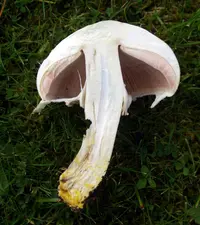
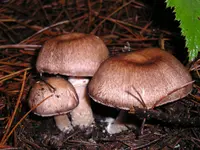
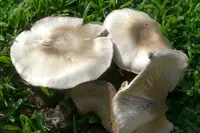
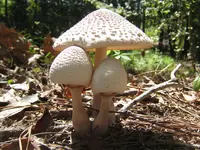
The yellow-stainer, Agaricus xanthodermus, is a poisonous gilled mushroom, not a true houseplant. It grows from soil as fleshy caps with pale gills and a sturdy stem. When bruised, especially at the cap edge or base of the stem, its white flesh quickly turns chrome-yellow and may smell of ink or phenol.
This species occurs naturally in lawns, gardens, park edges, and nutrient-rich soils in many temperate regions. It can be grown in controlled culture by specialists, but its toxicity and specific needs mean most people should not attempt to care for yellow-stainer at home.
It favors rich, disturbed soil and moderate moisture, often appearing after rain where organic matter is abundant.

Care Difficulty
Hard Care

Light Preference
Partial Shade

Water Requirements
Keep Soil Moist

Temperature Preference
Cool Climate

Hardiness Zone
Unknown

Soil Texture
Loamy, Silty, Organic-rich

Soil pH
Slightly acidic (6.5–7.0), Neutral (7.0)

Soil Drainage
Moist but well-drained

Fertilization
Minimal (feed rarely)
Scan your plant to receive care tips personalized for your specific plant
Available on iOS and Android
This species prefers low to moderate light, similar to shaded woodland conditions.
Consistent, lightly moist substrate is essential for reliable fruiting of Agaricus xanthodermus.
This mushroom favours cool to mild conditions typical of temperate woodland and lawns.
This mushroom species requires consistently high humidity to form healthy fruiting bodies.
Agaricus xanthodermus needs a loose, organic-rich substrate that drains freely yet retains steady moisture.
This species can be grown in shallow containers or trays when conditions are carefully controlled.
This woodland fungus rarely benefits from fertilization in garden or culture setups, as it thrives on naturally decaying organic matter.
Pruning is not a standard practice for Agaricus xanthodermus, since individual mushrooms are short-lived fruiting bodies rather than permanent plant structures.
In cultivation, this species is managed by adjusting its substrate rather than traditional repotting or transplanting.
Agaricus xanthodermus is multiplied through mycelium and spores, which requires controlled, hygienic techniques rather than casual home propagation.
Outdoor mycelium of this species is generally cold hardy in temperate climates and needs little deliberate winter care.

Plant Health Check
Not sure what's wrong with your plant? Check your plant's health inside the app.
This species commonly causes gastrointestinal poisoning in people who mistake it for edible field or meadow mushrooms, leading to symptoms such as nausea, vomiting, and abdominal cramps that are often misdiagnosed as food poisoning from other sources.
Its flesh and cap margin quickly turn a chrome-yellow when cut or bruised, especially at the base of the stem, a reaction that then often fades, which is a key identification feature separating it from many edible white Agaricus species.
Mature specimens develop a sharp phenolic smell, often compared to carbolic soap, ink, or hospital disinfectant, which contrasts with the pleasant mushroom aroma of closely related edible species.

This species is considered one of the most frequent causes of mushroom-related poisonings in parts of Europe, where it is abundant and often confused with similar edible Agaricus species collected by foragers.
This mushroom is strongly poisonous to most people and should never be eaten. Typical symptoms include stomach pain, nausea, vomiting, and diarrhea. Pets may also be affected and should be kept from eating any fruiting bodies.
Keep your plants happy and healthy with plant identification, disease detection, and easy care guidance.