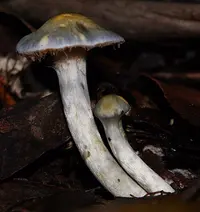
bloodred webcap Care (Cortinarius sanguineus)

bloodred webcap

About bloodred webcap

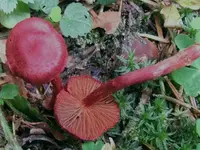
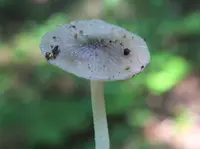
The bloodred webcap, Cortinarius sanguineus, is a small woodland mushroom, not a true plant. It belongs to the large and complex Cortinarius group. Caps and gills are usually deep red, and the stem is slender, giving it a distinctive appearance on forest floors. It fruits directly from soil rich in leaf litter and decaying wood.

This species occurs mainly in coniferous and mixed forests across parts of Europe, North America, and Asia, often forming mycorrhizal partnerships with trees. It is not suitable for casual home cultivation, and attempts to care for bloodred webcap are generally unsuccessful because it depends on living tree roots and specific forest conditions for growth.

Main Plant Requirements

Care Difficulty

Hard Care

Light Preference

Partial Shade

Water Requirements

Keep Soil Moist

Temperature Preference

Cool Climate

Hardiness Zone

Unknown

Soil Texture

Loamy, Peaty, Organic-rich

Soil pH

Strongly acidic (4.5–5.5), Acidic (5.5–6.5)

Soil Drainage

Moist but well-drained

Fertilization

Minimal (feed rarely)

Get Personalized Care Plan

Scan your plant to receive care tips personalized for your specific plant

Available on iOS and Android

How to Care for the bloodred webcap

This woodland fungus prefers cool, shaded conditions similar to its natural conifer forest habitat.

  • Provide dappled or filtered light under trees, avoiding direct mid‑day sun; brief morning sun of 1–2 hours is acceptable but not required.
  • Aim for conditions that mimic a dense forest floor, with only 10–30% of full sunlight reaching the ground through canopy cover.
  • Protect bloodred webcap from full exposed sun, which can dry the substrate and mycelium; summer shade is especially important during hot, bright periods.

This ectomycorrhizal fungus depends on evenly moist, well‑drained forest soil rather than direct, frequent watering.

  • Maintain soil that is consistently moist 5–10 cm deep but never waterlogged; allow the surface leaf litter to dry slightly between natural rains.
  • In dry spells, apply gentle irrigation to the surrounding soil, not the fruiting bodies, when the top 3–5 cm feel dry and leaf litter is crisp.
  • Watch for signs of excess moisture such as standing water, sour odor, or slimy organic matter, and improve drainage by reducing irrigation or excess mulch.

This species fruits best in cool, temperate conditions typical of autumn conifer forests.

  • Optimal temperatures for development are around 45–60°F (7–16°C), often during late summer to fall when days are mild and nights are cool.
  • The fungus tolerates brief drops near 32°F (0°C), but hard freezes below 28°F (-2°C) can damage or halt fruiting bodies at the surface.
  • Prolonged heat above 75°F (24°C), especially if combined with dry conditions, reduces fruiting; cooler, stable temperatures favor sustained mycelial activity.

Humidity management is not relevant for Cortinarius sanguineus, which grows outdoors in natural woodland conditions rather than as a houseplant.

This ectomycorrhizal fungus requires undisturbed forest soil rather than a constructed potting mix.

  • Prefers loose, humus-rich, well-aerated topsoil formed from decomposed conifer litter, not compacted or heavily tilled substrates.
  • Requires consistently moist but well-drained ground where water does not pool after rain, as standing water disrupts fungal growth.
  • Thrives in slightly acidic conditions, typically pH 4.5–6, common in coniferous forests with accumulated needle litter.
  • Management focuses on avoiding disturbance: do not strip leaf litter, add lime, or heavily amend the soil around host trees supporting Cortinarius sanguineus.

This species is not suitable for container growing, as it depends on complex root partnerships with host trees in natural forest soil.

Cortinarius sanguineus is a wild mycorrhizal mushroom that should not be fertilized in a garden or container setting.

Pruning does not apply to Cortinarius sanguineus, since it is a fruiting mushroom, not a woody or leafy plant.

This species is not suited to normal repotting or transplanting, because it lives in symbiosis with tree roots in soil.

  • Avoid attempting to move established fungal colonies; disturbing the soil often breaks the vital connection with host tree roots.
  • If growth declines after heavy soil disturbance, allow the area to recover naturally rather than trying to transplant the fungus.
  • For study or cultivation trials, move only small soil cores with intact roots and keep moisture and shade stable to reduce stress.

Propagation of Cortinarius sanguineus is specialized and not practical for typical home cultivation.

No special winter care is needed, as this is a cold-hardy woodland fungus naturally adapted to seasonal freeze–thaw cycles.

Care Tips

Substrate pre-inoculation

Before placing the fungus outdoors, thoroughly mix spawn into a shallow layer (5–10 cm) of moist, low-nutrient conifer sawdust or fine bark to help the mycelium establish before it contacts host tree roots.

Host tree pairing

Select and maintain compatible host trees such as spruce or pine in slightly acidic, low-fertilizer sites, since strong ectomycorrhizal partnerships are essential for reliably growing bloodred webcap.

Minimal soil disturbance

Mark the inoculated area and avoid raking, deep weeding, or frequent foot traffic there, because breaking the top few centimeters of soil can damage the mycelial network and reduce future fruiting.

Moisture buffering mulch

Apply a thin, loose layer of conifer needles or fine bark over the colonized zone to buffer moisture, but keep it airy and under 3 cm deep so developing mushrooms can still emerge.

Gentle harvest technique

When harvesting, cut the fruiting bodies at the base with a clean knife rather than pulling them up, so the underlying mycelium and tree root connections stay intact for future flushes.

Common Pests and Diseases

Mycophagous springtails

These insects feed on fungal tissue and can graze on caps and gills, especially in cultivation trays or humidity tents. Symptoms include pitted or roughened cap surfaces and dense swarms of tiny jumping insects in the substrate.

Solution

Reduce excess moisture, improve airflow, and remove heavily infested fruiting bodies. For controlled growing bloodred webcap set‑ups, use fine mesh barriers, clean tools and containers thoroughly, and, if needed, apply a targeted biological control such as predatory mites that feed on springtails rather than using broad-spectrum chemicals.

Fungus gnat larvae

This pest targets moist fungal substrates, where larvae chew on developing primordia and mycelium. Symptoms include aborted pins, deformed small caps, and clouds of tiny dark flies around the fruiting area.

Solution

Allow the top layer of the substrate to dry slightly between misting, use yellow sticky traps to reduce adult numbers, and remove damaged clusters. In small-scale cultivation, a biological control such as Bacillus thuringiensis israelensis (Bti) in the watering solution can suppress larvae without harming the fungus when used according to label directions.

Mucor mold contamination

This disease appears as fast-growing, fluffy gray-white mold patches that overrun the substrate and can smother C. sanguineus mycelium. Symptoms include stalled or patchy mushroom formation and a sour or strongly musty odor from the growing container.

Solution

Discard heavily contaminated substrates, increase fresh air exchange, and avoid overwatering. For future batches, use properly pasteurized or sterilized substrate, maintain clean tools and containers, and remove any small mold patches early before they spread.

Trichoderma green mold

This disease shows as bright white mycelium that turns vivid green as spores form, typically starting at damaged or overly wet areas of the substrate. Symptoms include sudden collapse of primordia and a powdery green layer replacing the intended mycelium.

Solution

Physically remove and discard contaminated sections as soon as green patches appear, along with any adjacent substrate, and increase ventilation while reducing high humidity pockets. Use cleaner starting materials, avoid old or poorly stored substrates, and keep handling tools disinfected to limit spore introduction and spread.

Slugs and snails

These pests consume soft mushroom tissue outdoors, leaving irregular holes in caps and sometimes completely removing young fruiting bodies. Symptoms include slime trails on soil or wood debris near the mushrooms and missing or shredded caps overnight.

Solution

Hand-pick slugs and snails during damp evenings, and use physical barriers such as copper tape, fine mesh, or rough dry mulches around the fruiting zone. Avoid leaving dense ground cover and debris directly against the fruiting area, and if needed, use iron phosphate slug baits placed away from the main fruiting patch to reduce populations with lower risk to non-target organisms.

Interesting Facts

Intense natural dye

The fruiting bodies have been traditionally used as a strong red dye source for wool and other animal fibers, due to their high content of anthraquinone pigments such as emodin and dermocybin.

Specialist forest partner

This species forms ectomycorrhizal associations with conifers, especially spruce and pine, exchanging soil nutrients for sugars from the tree and contributing to nutrient cycling in boreal and temperate forests.

Toxic lookalike issues

Although itself not among the most dangerous species in its genus, it closely resembles highly toxic red Cortinarius relatives, which makes reliable identification difficult and consumption strongly discouraged.

Botan icon

Did you know?

This mushroom has been used as a model organism in research on fungal pigments, helping chemists isolate and characterize naturally occurring anthraquinones that explain its deep blood-red coloration.

FAQs about bloodred webcap

This species is considered poisonous and must never be eaten. It contains toxic compounds that can damage kidneys and other organs. Identification within the Cortinarius genus is difficult, so all similar red webcaps should be avoided as food.

Grow Healthy Plants with Botan Care

Keep your plants happy and healthy with plant identification, disease detection, and easy care guidance.

Botan plant care app — identify plants on mobile

Explore More Plants