Controlled substrate depth
Keep the compost layer about 10–12 cm deep in trays or beds to balance moisture retention with oxygen availability and reduce the risk of anaerobic pockets that cause malformed or diseased mushrooms.

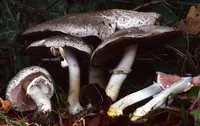
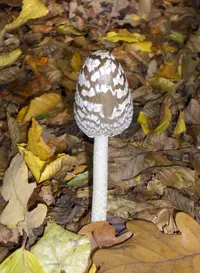
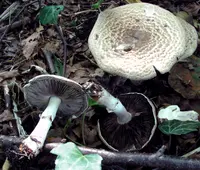
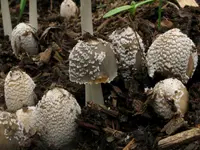
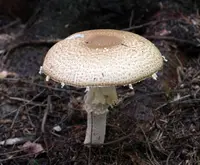
Inky Agaricus, Agaricus moelleri, is a small to medium-sized gilled mushroom, not a leafy houseplant. It produces gray to brown caps with crowded gills that darken and may become inky as spores mature.
This species often appears in lawns, gardens, and park edges, usually on nutrient-rich soil with buried organic matter. It is most often found in temperate regions of Europe and North America.
Field guides describe it as a tricky species to identify safely, as it resembles some edible Agaricus species. Because of this confusion risk, it is not recommended to forage or care for Inky Agaricus as a culinary mushroom.
In natural conditions it grows in partial sun to light shade, in moist but not waterlogged soil with plenty of decaying organic material.

Care Difficulty
Hard Care

Light Preference
Partial Shade

Water Requirements
Keep Soil Moist

Temperature Preference
Cool Climate

Hardiness Zone
Unknown

Soil Texture
Loamy, Organic-rich, Peaty

Soil pH
Acidic (5.5–6.5), Slightly acidic (6.5–7.0)

Soil Drainage
Moist but well-drained

Fertilization
Minimal (feed rarely)
Scan your plant to receive care tips personalized for your specific plant
Available on iOS and Android
This woodland mushroom prefers soft, filtered light rather than direct, open sun.
This species needs consistently moist, not waterlogged, substrate for reliable fruiting.
This mushroom develops best in cool to mild conditions with limited temperature swings.
This species needs consistently moist, humid conditions around the substrate rather than dry indoor air.
Agaricus moelleri fruits best in a loose, compost-rich substrate with high organic matter and reliable drainage.
This fungus is only moderately suitable for container growing and needs careful substrate depth and moisture balance to fruit well.
This woodland mushroom species is not a houseplant and generally does not need fertilization when growing in natural soil or wood-rich substrates.
Agaricus moelleri does not require conventional pruning, but some hygiene-based trimming helps maintain a clean and safe growing area.
This species is typically managed by renewing or replacing its substrate rather than by classic repotting as with ornamental plants.
Reproduction in this mushroom relies on spores and controlled mycelium culture rather than classic plant propagation methods.
Outdoor beds of this mushroom are generally seasonal and do not need elaborate winter care once fruiting has finished.

Plant Health Check
Not sure what's wrong with your plant? Check your plant's health inside the app.
Fresh specimens often smell strongly of phenol, ink, or disinfectant, especially in the stem base, a key field clue separating it from edible, mild-scented Agaricus species.
The cap and stem tissue typically stain bright yellow when cut or bruised, then may fade or discolor, a chemical reaction used by mycologists to distinguish this toxic species from similar white mushrooms.
Although similar in appearance to some edible field mushrooms, this species contains gastrointestinal toxins and is considered poisonous, which makes accurate identification critical when foraging wild Agaricus.

Agaricus moelleri is commonly associated with nutrient‑rich, human‑influenced habitats such as gardens, road verges, and park lawns, and its frequent appearance in these managed soils has made it one of the better known toxic Agaricus species among European field mycologists.
This species is considered poisonous and should not be eaten. It can cause gastrointestinal upset and other symptoms, especially when confused with edible field mushrooms. Foraging mistakes are common, so avoid consumption entirely.
Keep your plants happy and healthy with plant identification, disease detection, and easy care guidance.