Arrhenia epichysium Care

Arrhenia epichysium

About Arrhenia epichysium

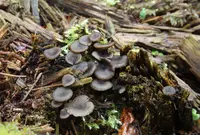
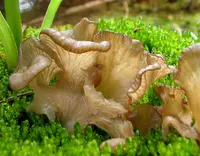
Arrhenia epichysium is a small, wood-inhabiting fungus rather than a typical leafy houseplant. It forms thin, often shell-shaped caps that sit close to decaying wood or plant debris, usually in cool, moist habitats.

This species occurs widely in temperate regions, often in coniferous or mixed forests, where it helps break down dead organic material. Its delicate fruiting bodies are short-lived and can be hard to spot due to their modest size and earthy colors.

Because it depends on very specific substrates and humidity, it is not an easy species to cultivate at home, and detailed guidance on how to care for Arrhenia epichysium is limited outside specialist mycology circles.


Main Plant Requirements

Care Difficulty

Hard Care

Light Preference

Shade

Water Requirements

Keep Soil Moist

Temperature Preference

Cool Climate

Hardiness Zone

Unknown

Soil Texture

Peaty, Organic-rich

Soil pH

Strongly acidic (4.5–5.5)

Soil Drainage

Moist but well-drained

Fertilization

Minimal (feed rarely)

Get Personalized Care Plan

Scan your plant to receive care tips personalized for your specific plant

Available on iOS and Android

How to Care for the Arrhenia epichysium

This small woodland fungus prefers cool, low to moderate light typical of shaded forest floors.

  • Provide dappled or filtered light, similar to light under deciduous trees, avoiding direct sun during 11 am–4 pm to prevent drying of the substrate and fruitbodies.
  • Aim for bright shade or very light overcast conditions for 2–4 hours a day; brief early-morning or late-afternoon sun is acceptable if humidity stays high.
  • In summer, increase shade as canopy thins or if grown in culture; caring for Arrhenia epichysium means protecting it from sustained full sun exposure that overheats the substrate.

This fungus needs consistently moist, not waterlogged, conditions around its growth substrate.

  • Maintain evenly moist leaf litter, moss, or woody debris; if cultivating, let only the top 0.5–1 cm of substrate start to feel slightly less damp before misting again.
  • Use fine misting rather than heavy pouring to avoid pooling water, which encourages bacterial growth and substrate souring.
  • Reduce watering frequency but not humidity during cooler months; pale, shriveling caps indicate drying, while slimy, foul-smelling substrate suggests overwatering and poor aeration.

This species develops best in cool, moist conditions typical of temperate forests.

  • Target 50–64°F (10–18°C) for reliable growth and fruiting, keeping the substrate cool and shaded rather than warm and exposed.
  • Short exposures down to 32°F (0°C) may be tolerated, but repeated hard frosts below 28°F (-2°C) can damage fruitbodies and slow mycelial activity.
  • Higher temperatures above 72°F (22°C) increase drying and stress; in warm seasons, rely on shade, thick leaf litter, and regular misting to keep the microclimate cool and humid.

This fungus is not typically managed by humidity control in cultivation.

In cultivation, substrate conditions should loosely mimic the light, organic forest floors where Arrhenia epichysium occurs.

  • Use a loose, fine-textured mix rich in decomposed leaf litter or composted bark, resembling humus on decaying plant material.
  • Ensure very rapid drainage by blending sifted compost with fine bark and a small portion of coarse sand or perlite.
  • Maintain slightly acidic to neutral conditions around pH 5.5–7.0 and avoid strongly alkaline amendments such as excess lime.
  • Do not compact the substrate; keep it airy to maintain oxygen around fungal mycelium and prevent waterlogged, anaerobic pockets.

This species is rarely suited to conventional container growing, even for experimental cultivation.

This small saprotrophic fungus generally needs no fertilization when grown in suitable, well-decayed organic substrates.

Pruning is not a standard cultural practice for Arrhenia epichysium, as fruiting bodies are short-lived and the mycelium remains in the substrate.

Transplanting focuses on moving colonized substrate rather than handling individual fruiting bodies of Arrhenia epichysium.

  • Transplant only when the substrate is fully colonized yet starting to dry or decompose beyond usefulness, indicated by reduced fruiting.
  • Carry out moves in cool, moist weather or in a shaded area to limit mycelium stress.
  • Shift the colonized material into fresh, similar organic matter, keeping texture and moisture levels consistent.
  • Minimize disturbance by moving substrate in intact chunks and watering gently afterward to settle gaps.

Propagation of Arrhenia epichysium is specialized and usually handled by experienced growers or researchers using laboratory or controlled techniques.

Outdoor colonies in natural or semi-natural substrates are typically cold hardy and need little specific winter care.

  • In colder climates, leave a light layer of leaf litter as mulch to buffer freeze–thaw cycles over the colonized area.
  • Avoid disturbing or turning the substrate during winter so the mycelium remains insulated.
  • Container-based cultures, if used, are best overwintered in a cold but frost-free space with stable moisture.

Care Tips

Substrate preparation

Before introducing the fungus, pre-soak and then thoroughly drain a mix of fine, partially decomposed conifer litter and well-weathered wood pieces to create a stable, low-nutrient substrate that mimics its natural forest-floor habitat.

Microhabitat shading

Create a low, stable shade over the cultivation tray with a ventilated cover or shade cloth positioned 15–30 cm above the surface to protect fruiting bodies from direct light and rapid drying while still allowing good air exchange.

Moisture buffering layer

Top-dress the substrate with a very thin layer of damp, sifted conifer needles or leaf litter to slow evaporation and buffer moisture at the surface where fruiting bodies form, avoiding any compacted or waterlogged layer.

Airflow management

Use a small fan set on low and directed past, not at, the culture area to maintain gentle, continuous air movement that reduces fungal rot and encourages well-formed caps without drying the substrate surface.

Seasonal fruiting trigger

To encourage fruiting when caring for Arrhenia epichysium, gradually shift to cooler conditions and slightly longer surface moisture periods in late summer to fall, imitating the natural seasonal pattern that typically stimulates sporocarp production.

Common Pests and Diseases

Fungal gnat larvae

This pest is occasionally noted where fruiting bodies develop in persistently wet organic substrates such as moss and rotting litter. Symptoms include small black gnats flying around the site and larvae feeding within the damp substrate.

Solution

Reduce constant surface wetness where possible, improve airflow, and avoid stagnant water in trays or culture containers. For persistent problems, use yellow sticky traps for adults and, in controlled cultivation, apply a biological larvicide containing Bacillus thuringiensis israelensis (Bti) to the substrate according to label directions.

Competing saprobic fungi

This disease pressure appears when faster-growing saprobic fungi colonize the same decaying material, outcompeting the mycelium and suppressing fruiting of Arrhenia epichysium. Symptoms include different-colored molds or mushroom primordia overrunning the substrate.

Solution

Remove and discard heavily overgrown substrate and re-establish cultures on fresh, clean material with good airflow. Use appropriately pasteurized or well-aged but not moldy organic matter and avoid introducing contaminated forest debris into controlled culture, which supports more stable Arrhenia epichysium care instructions.

Mite grazing

This pest issue occurs when small soil or substrate mites feed on hyphae and developing fruiting bodies. Symptoms include pitted, deformed, or partially eaten caps and stems, often visible only under close inspection.

Solution

In non-edible display or research cultures, reduce excess moisture, increase ventilation, and physically remove heavily infested pieces of substrate. Where allowed, introduce predatory mites suited to the substrate type, or isolate infested cultures from healthy ones to prevent spread.

Bacterial blotch

This disease can appear on moist fruiting surfaces under stagnant, humid air, leading to water-soaked, greasy, or dark patches on caps. Symptoms include softening tissue and rapid breakdown of affected areas.

Solution

Improve air exchange around the fruiting area, avoid direct water on caps, and remove and discard any fruiting bodies with extensive lesions. Between cycles, clean containers or benches with a disinfectant suitable for horticultural or mushroom-growing use to lower bacterial load.

Interesting Facts

Color-shifting caps

The fruiting bodies often appear grayish or brown when moist but fade to a much paler, almost whitish tone as they dry, a change caused by water content altering light reflection on the thin cap surface.

Moss-associated lifestyle

This fungus commonly grows among mosses on soil, rotting wood, or other organic substrates, and its recurring presence in bryophyte-rich habitats suggests a tight ecological association rather than random occurrence.

Thin, flexible flesh

The caps are extremely thin and pliable, sometimes almost translucent at the margin, an adaptation that allows the fungus to fruit with minimal resource investment in nutrient-poor or exposed mossy microhabitats.

Botan icon

Did you know?

Molecular studies have shown that this inconspicuous moss-associated mushroom was historically misclassified and its current placement in Arrhenia reflects a significant taxonomic revision based on DNA evidence rather than traditional morphology alone.

FAQs about Arrhenia epichysium

This small moss-associated mushroom is not considered edible. It is thin-fleshed, insubstantial, and lacks culinary value. Identification is also difficult, so it should not be collected for food or eaten under any circumstances.

Grow Healthy Plants with Botan Care

Keep your plants happy and healthy with plant identification, disease detection, and easy care guidance.

Botan plant care app — identify plants on mobile

Explore More Plants