Artomyces cristatus Care

Artomyces cristatus

About Artomyces cristatus

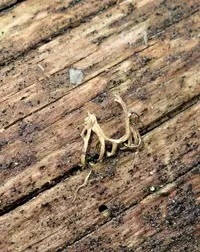
Artomyces cristatus, often called the crown-tipped coral fungus, is a small branched fungus rather than a traditional green plant. It forms upright, coral-like clusters with many delicate, pale tips that resemble tiny crowns. These fruiting bodies usually appear on decaying hardwood in temperate forests. It is most often found in North America and parts of Europe on well-rotted logs and stumps. Because it depends on specific wood-decay conditions and natural humidity, it is difficult to cultivate at home. Anyone wanting to learn how to care for Artomyces cristatus should understand it thrives in cool, shaded, consistently moist woodland environments rich in dead wood.


Main Plant Requirements

Care Difficulty

Hard Care

Light Preference

Shade

Water Requirements

Keep Soil Moist

Temperature Preference

Cool Climate

Hardiness Zone

Unknown

Soil Texture

Loamy, Silty, Organic-rich

Soil pH

Acidic (5.5–6.5)

Soil Drainage

Moist but well-drained

Fertilization

Minimal (feed rarely)

Get Personalized Care Plan

Scan your plant to receive care tips personalized for your specific plant

Available on iOS and Android

How to Care for the Artomyces cristatus

This woodland fungus prefers cool, shaded forest conditions with only brief periods of gentle sunlight.

  • In nature, Artomyces cristatus fruits best in dappled or filtered light under a forest canopy, roughly equal to bright open shade for most of the day.
  • Tolerates short early-morning sun of 1–2 hours but should be protected from strong midday and afternoon sun to prevent drying and tissue collapse.
  • During summer, increased canopy shade reduces light intensity, so consistent moisture becomes more important than extra sun exposure for reliable fruiting.

Moisture stability is more important than strict watering schedules for this wood-decaying fungus.

  • Keep the substrate evenly moist, allowing only the top 0.5–1 cm to barely dry; avoid letting logs or wood chips become dusty or pale and fully dry.
  • Provide more frequent misting or gentle soaking during warm, windy weather, watching for shrinking, brittle fruiting bodies as a sign of underwatering.
  • Reduce heavy soaking in cooler seasons to limit stagnant water, since persistent puddling and sour, rotten odors signal excess moisture and poor aeration.

This species favors cool to mild conditions and declines in prolonged heat or hard frost.

  • Optimal fruiting usually occurs around 50–68°F (10–20°C), with growth slowing outside this range but often resuming when temperatures normalize.
  • Tolerates brief drops close to 32°F (0°C), yet repeated hard frosts can damage or halt new structures, especially if the substrate also freezes solid.
  • Sustained temperatures above 77–82°F (25–28°C) tend to dry the substrate and shorten fruiting duration, so shading and higher humidity help buffer summer heat.

This coral fungus prefers consistently moist, cool air rather than dry indoor conditions.

  • Target 70–90% humidity, mimicking damp forest air, and avoid prolonged exposure to heated, dry rooms.
  • Dry, brittle, pale branches and shriveling tips indicate humidity stress or excessive evaporation.
  • Increase humidity by placing culture containers in a closed, ventilated terrarium or humidity dome with moist (not soggy) substrate nearby.
  • Limit air movement from fans or vents directly across the colony to reduce drying while still allowing some gas exchange.

This species grows on decaying wood, so it requires a wood-based, airy substrate rather than mineral soil.

  • Use a mix based on well-decayed hardwood chips or sawdust with some coarse bark to create a loose, fibrous structure.
  • Ensure excess water can drain or wick away so the substrate stays moist but never waterlogged, preventing anaerobic conditions.
  • Aim for slightly acidic to neutral conditions (roughly pH 5.5–7) by avoiding lime-heavy amendments or alkaline tap water.
  • Improve aeration by blending in coarse particles (bark fines, coarse vermiculite) and avoid dense peat-only mixes that collapse and suffocate the mycelium.

This fungus is not naturally suited to ornamental container growing but can be maintained in culture vessels for study or specialty cultivation.

  • Select deep, stable containers that allow a thick layer of woody substrate so the mycelium can colonize vertically as well as laterally.
  • Use lidded or partially sealed vessels that retain humidity while allowing controlled gas exchange through small vents or filtered holes.
  • Raise containers slightly above any water reservoir so leachate can drain away instead of pooling at the base of the substrate.

This wood-inhabiting fungus usually thrives on decaying logs without added nutrients, so supplemental fertilization is rarely necessary for Artomyces cristatus.

This fungus does not require true pruning, but careful harvesting helps maintain healthy fruiting.

  • Cut only mature, clean clusters at the base using a sharp knife or scissors, leaving part of the colony intact.
  • Remove visibly decayed, moldy, or insect-infested tissue to limit spread of contaminants on the log.
  • Avoid tearing or pulling fruiting bodies, which can damage the underlying mycelium and reduce future flushes.

This species is typically grown on inoculated wood rather than in pots, so care focuses on transplanting colonized substrate rather than repotting.

  • Transplant when the log or wood block is fully colonized but before fruiting declines or the wood is badly decomposed.
  • Best timing is during mild, moist weather in spring or fall to reduce stress on the mycelium.
  • Move colonized wood gently to a shaded, humid site, minimizing shocks, drops, or prolonged drying during transfer.
  • Set the log in partial contact with soil or leaf litter to maintain moisture while still allowing air circulation.

Artomyces cristatus is usually propagated by spores or by transferring colonized substrate rather than by traditional plant methods.

  • For controlled culture, drill holes into fresh hardwood logs and insert spawn, then seal with wax.
  • Inoculate during spring or fall when ambient temperatures are mild and moisture is more stable.
  • Place inoculated wood in a shaded, humid area, maintaining consistent moisture without waterlogging.
  • Leave wild colonies undisturbed; avoid collecting substrate from natural sites to reduce ecological impact.

In most temperate climates this wood-dwelling fungus is naturally cold hardy and needs little specific winter care.

  • Allow colonized logs to remain outdoors; normal freezing and thawing cycles are tolerated by the mycelium.
  • A light layer of leaf litter around the log can moderate moisture swings without smothering it.
  • Avoid moving frozen substrate or striking the log, which can cause structural damage and disrupt colonization.

Care Tips

Staggered Substrate Inoculation

Prepare several small, separate batches of sterilized substrate instead of one large block so that if one batch contaminates you can discard it without losing the entire culture, which greatly improves success when growing Artomyces cristatus at home.

Use Transparent Containers

Incubate colonized substrate in clear, lidded containers so you can monitor mycelium color and texture without opening them, which helps detect contamination early and reduces the need to disturb the developing fruit bodies.

High-Frequency Fresh Air

Once primordia form, provide many brief fresh-air exchanges each day rather than a few long ones, using a small fan on a low, indirect setting to reduce CO₂ buildup that causes elongated, misshapen coral branches.

Gentle Harvest Technique

Harvest clusters by cutting them cleanly at the base with a sterile blade instead of pulling, which avoids damaging the surrounding mycelium and supports repeated flushes from the same substrate.

Cool-Down Fruiting Trigger

After full colonization, move the substrate to a slightly cooler, well-ventilated area and lightly increase surface moisture for several days, creating a mild environmental shift that can reliably trigger fruiting when caring for Artomyces cristatus.

Common Pests and Diseases

Mycophagous springtails

These insects feed on fungal tissue and can graze on young, tender coral-like branches, leaving them blunted or ragged. This pest thrives in constantly wet, organic-rich substrates such as mushroom cultivation containers or terraria.

Solution

Reduce excess surface moisture, improve ventilation, and avoid overly dense organic debris where springtails shelter. For heavy infestations in cultivation setups, physically flush the substrate surface with a gentle stream of water, allow better drainage, and, if needed, use sticky traps nearby to monitor and reduce populations without contaminating the fungal culture.

Fungus gnat larvae

These insects develop in very moist substrates and their larvae can tunnel into developing fruiting bodies, causing collapse or deformation of the delicate coral structures. Symptoms include softened, browning tips and occasional slimy decay around feeding sites.

Solution

Allow the substrate surface to dry slightly between misting cycles, remove any decaying organic material, and improve air movement around the culture. Yellow sticky cards can be used to capture adults, while a biological control such as Bacillus thuringiensis israelensis (Bti) in water used for misting can reduce larval numbers without harming the fungus when used according to label directions.

Competitive mold contamination

This disease involves fast-growing molds, often green, black, or gray, that overtake the substrate or the base of fruiting bodies, stalling or distorting growth. Symptoms include powdery or fuzzy patches that spread more rapidly than the coral fungus and can eventually smother or discolor it.

Solution

Physically remove heavily contaminated substrate sections and any affected fruiting bodies as soon as patches appear, then slightly lower humidity and increase fresh air exchange to slow mold growth. For future cycles, sterilize or pasteurize substrates carefully, work with clean tools and containers, and separate growing Artomyces cristatus from other active mold-prone cultures.

Bacterial soft rot

This disease causes water-soaked, mushy areas on the branches, often starting where free water sits, with a sour or unpleasant odor as tissues break down. Symptoms include rapid collapse of sections of the coral structure, turning them translucent, slimy, or brown.

Solution

Immediately remove and discard all affected tissue and any saturated substrate around it, then reduce direct misting onto the fruiting bodies and favor higher humidity in the surrounding air instead. Improve air circulation to dry surface moisture more quickly, and in future growth cycles avoid handling the fungus with unwashed hands or non-sterile tools to reduce bacterial introduction.

Interesting Facts

Distinct crested branching

This coral fungus produces repeatedly forked vertical branches whose tips form small crown-like crests, a feature that helps distinguish it from other Artomyces species in the field.

Preference for hardwood logs

It typically fruits on well-decayed dead hardwood, especially fallen logs and stumps, playing a role as a saprotroph that recycles lignin-rich wood back into the forest nutrient cycle.

North American origin pattern

The species was first described from North America and remains especially associated with temperate forests of the region, where it appears from late summer into autumn during moist conditions.

Botan icon

Did you know?

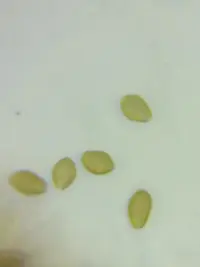
Microscopic examination of Artomyces cristatus reveals ornamented spores with fine surface structures that, together with its crested branch tips, were key characters in placing it within the genus Artomyces rather than in more distantly related coral fungi groups.

FAQs about Artomyces cristatus

This fungus is generally considered inedible due to its tough texture and limited culinary value. It is not known to be dangerously poisonous, but identification mistakes with similar coral fungi can be serious, so foraging is not recommended.

Grow Healthy Plants with Botan Care

Keep your plants happy and healthy with plant identification, disease detection, and easy care guidance.

Botan plant care app — identify plants on mobile

Explore More Plants