Midland Hawthorn Care (Crataegus laevigata)

Also known as: smooth hawthorn, woodland hawthorn
Midland Hawthorn

About Midland Hawthorn

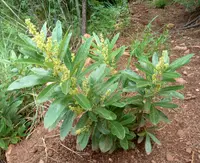
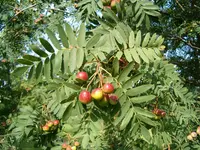
Midland hawthorn, Crataegus laevigata, is a small deciduous tree or large shrub known for its dense branching, lobed leaves, and heavy display of white to pink spring flowers. Later in the season it carries clusters of small red fruits that attract birds and add seasonal interest.

This species is native to hedgerows and woodland edges across much of Europe and has been widely planted in temperate landscapes. It is generally hardy, tolerates urban conditions, and copes with wind and pruning, so it suits mixed hedges and small gardens.

It prefers full sun to light shade and moderately moist, well-drained soil. Once established, it is relatively low maintenance, which makes it straightforward to care for Midland Hawthorn in typical garden settings.

Main Plant Requirements

Care Difficulty

Easy Care

Light Preference

Full Sun

Water Requirements

Moderate Water

Temperature Preference

Cold Hardy

Hardiness Zone

4–8

Soil Texture

Sandy, Loamy, Clay

Soil pH

Slightly acidic (6.5–7.0), Slightly alkaline (7.0–7.5)

Soil Drainage

Moist but well-drained

Fertilization

Minimal (feed rarely)

Get Personalized Care Plan

Scan your plant to receive care tips personalized for your specific plant

Available on iOS and Android

How to Care for the Midland Hawthorn

This thorny deciduous tree thrives in full sun but also tolerates light shade in many gardens.

  • Provide 6–8 hours of direct sun daily for best flowering and dense branching; 4–5 hours plus bright open shade is acceptable.
  • Allow some afternoon shade in hot summers, as intense late-day sun combined with dry soil can scorch leaves.
  • Ensure young Midland Hawthorn trees are not shaded by buildings or large trees, since prolonged low light reduces blooms and encourages sparse, leggy growth.

This species prefers evenly moist, well-drained soil once established, with brief dry periods tolerated.

  • Before watering, check that the top 3–5 cm of soil has dried; in most climates this means deeper watering during dry spells rather than frequent light sprinkling.
  • Reduce watering in cool, rainy seasons, since Crataegus laevigata dislikes standing water and waterlogged roots increase root-rot risk.
  • Watch foliage: drooping, dull leaves and dry soil indicate underwatering, while yellowing leaves, soft new growth, and persistent soggy ground suggest overwatering.

This hardy hawthorn grows best in temperate outdoor conditions with cold winters and mild to warm summers.

  • Active growth is strongest around 55–75°F (13–24°C), typical of spring and early summer in many regions.
  • Established trees tolerate winter lows near -20°F (-29°C), though young plants benefit from protection from drying winds and heavy ice loads.
  • In hot summers above 85–90°F (29–32°C), provide mulch to cool the root zone and prioritize watering during heatwaves to limit heat stress.

Crataegus laevigata is an outdoor shrub or small tree that tolerates a wide humidity range and usually needs no special humidity management.

Crataegus laevigata prefers moderately fertile, moisture-retentive but free-draining ground with some structure and depth.

  • Aim for a loamy or loam-clay soil with plenty of fine aggregates so roots anchor well but are not compacted.
  • Ensure drainage is reliable; avoid waterlogged, boggy, or permanently saturated ground to prevent root and collar rot.
  • A pH around 6.0–7.5 suits this species; strongly acidic or highly alkaline soils can reduce nutrient availability and vigor.
  • In heavy or sticky soils, incorporate coarse sand or fine grit plus well-rotted compost to improve aeration and percolation.

This species can be grown in containers when young or kept small, but long-term performance is better in open ground.

  • Choose a deep, heavy container that resists wind rock, since the canopy becomes dense and can catch strong gusts.
  • Use a mineral-rich, loam-based mix that is slightly heavier than typical potting compost to stabilize the root ball and maintain even moisture.
  • Place the pot where sides are not exposed to intense reflective heat, which can overheat the root zone in summer.

Crataegus laevigata usually manages on modest soil fertility, but light feeding can support healthy growth and flowering in poor soils.

  • Apply a balanced slow-release fertilizer (e.g., 8-8-8 or 10-10-10) once in early spring, just before new growth starts.
  • In richer soils, use a thin layer of well-rotted compost around the root zone instead of granular products.
  • Use fertilizers at 1/2 label strength for young or recently transplanted trees to avoid root burn.
  • Do not feed Midland Hawthorn after midsummer; avoid fertilizing during fall and winter dormancy.

Pruning Crataegus laevigata maintains structure, encourages flowering, and improves air circulation.

  • Schedule main pruning in late winter to very early spring, before bud break.
  • Remove dead, diseased, crossing, or inward-growing branches with clean, sharp bypass pruners or a pruning saw.
  • Thin congested interior branches to allow light and airflow, reducing disease pressure and improving flower display.
  • Limit cuts to smaller branches where possible to avoid large wounds that heal slowly.

This hawthorn is most often grown in the ground; focus on careful transplanting or occasional container up-potting for young plants.

  • Transplant or up-pot in late fall or early spring when the tree is dormant to reduce stress.
  • Check for roots circling the container, dense root mat at the base, or slowed top growth as signs a young plant needs a larger pot or planting out.
  • Gently tease apart circling roots, trim damaged sections, and set the plant at the same soil level in a hole or pot slightly wider than the root ball.
  • Water thoroughly after planting, then keep soil evenly moist (not waterlogged) for several weeks to support root re-establishment.

Propagation of Crataegus laevigata is possible but relatively slow and often used for new landscape plantings or rootstock.

  • Sow seeds in fall after cleaning the fruit; provide natural cold stratification outdoors over winter for improved germination.
  • Use semi-ripe cuttings in midsummer under high humidity and bright, indirect light, ideally with rooting hormone.
  • Allow plenty of time for rooting or seedling development; young plants usually need several years before planting in final positions.

Established Crataegus laevigata trees are cold hardy in most temperate climates and generally need minimal winter care.

  • Apply a 5–8 cm layer of mulch around the root zone in late fall, keeping it a few cm away from the trunk.
  • Newly planted or young trees benefit from this mulch to moderate soil temperature and reduce freeze–thaw heaving.
  • Container-grown specimens in colder regions may be grouped in a sheltered spot or sunk pots into the ground to insulate roots.

Care Tips

Wind-firm training

In the first 3–5 years, selectively retain 1 strong central leader and remove or shorten competing upright shoots to create a wind-firm framework that resists storm damage later.


Thorn-safe access

When planting near paths or driveways, set the tree at least 1.5–2 m back and prune lower, outward-facing thorny branches annually so people, pets, and vehicles do not brush against them.

Preventing scab spread

If leaf scab or blotches appear, collect and dispose of fallen leaves in autumn and avoid overhead irrigation to reduce fungal spore carryover into the next season.

Root-zone protection

Keep a grass-free, 60–100 cm wide mulch ring around the base and avoid heavy foot traffic or vehicle parking over the root area to prevent compaction and root decline when growing Midland Hawthorn.

Wildlife-friendly management

When possible, delay major pruning until after the main flowering and berrying period so pollinators and birds can use the blossom and fruit before structural work is carried out.

Common Pests and Diseases

Fire blight

This disease causes sudden blackening and shriveling of blossoms, young shoots, and sometimes whole twigs, which look scorched. Symptoms include wilted, shepherd’s-crook shoot tips and blackened leaves that often remain attached.

Solution

Prune out infected shoots at least 20–30 cm below visible damage during dry weather, disinfecting tools between cuts, and dispose of all infected material in the trash. Avoid high-nitrogen fertilization, reduce overhead watering, and where pressure is high consult local guidance about suitable copper-based sprays during bloom as part of broader Crataegus laevigata care instructions.

Hawthorn leaf spot

This disease produces small purple to brown spots on leaves that can enlarge and merge, often leading to early leaf yellowing and drop. Symptoms include thinning foliage by late summer on heavily affected trees.

Solution

Rake and remove fallen leaves to reduce overwintering spores and improve air circulation by light structural pruning. In areas with recurring severe leaf spot, consider applying a labeled fungicide at bud break and repeated as directed during wet periods, focusing on thorough coverage of young leaves.

Hawthorn lace bug

This pest feeds on the undersides of leaves, causing pale stippling or a bleached appearance on the upper surface. These insects leave dark varnish-like spots of excrement beneath leaves and can cause premature leaf drop when populations are high.

Solution

Spray the undersides of leaves with a strong stream of water to dislodge nymphs, and encourage natural predators such as lady beetles by minimizing broad-spectrum insecticides. For persistent infestations, use a horticultural oil or insecticidal soap directed carefully to the leaf undersides during the growing season.

Aphids

This pest clusters on tender shoots and leaf undersides, sucking sap and causing curling, distortion, and sticky honeydew deposits. This pest can also support sooty mold growth on the honeydew, making leaves appear blackened.

Solution

Wash colonies off with a firm water spray and pinch back heavily infested shoot tips. If populations remain high, apply insecticidal soap or horticultural oil to all affected surfaces, repeating as needed and monitoring for natural enemies such as lacewings and lady beetles.

Cedar-hawthorn rust

This disease causes bright yellow to orange spots on leaves and sometimes lesions on fruit, which may deform and drop prematurely. This disease needs both hawthorn and certain junipers to complete its life cycle, so symptoms often appear where both hosts grow near each other.

Solution

Remove and dispose of heavily infected leaves and fruit, and avoid planting susceptible junipers close to hawthorn trees. In regions with chronic rust problems, protect new foliage with an appropriate fungicide beginning at bud break and continue at label-specified intervals through the main infection period, while also maintaining good air flow around the canopy.

Interesting Facts

Dense double blossoms

Many ornamental forms of this species, especially the 'Paul's Scarlet' cultivar, produce very dense clusters of double flowers, which means the flowers have extra petals replacing some reproductive parts, reducing fruit set but greatly increasing ornamental value in spring displays.

Native European hedgerow tree

This hawthorn is naturally widespread across much of Europe, where it often grows as a small tree in mixed woodlands and traditional hedgerows, providing structure, nesting sites, and seasonal food resources for birds and invertebrates.

Hybridization with other hawthorns

In regions where it overlaps with related hawthorn species, this plant can hybridize, creating intermediate forms that can be difficult to identify, which is one reason why Crataegus laevigata plant care recommendations sometimes overlap with other hawthorn species in horticultural literature.

Botan icon

Did you know?

In the United Kingdom, this species has been widely planted along streets and in parks since the 19th century as a tough, pollution-tolerant ornamental tree, and some long-established urban specimens are now valued as historic landscape features.

FAQs about Midland Hawthorn

Poor flowering often comes from heavy pruning at the wrong time, excessive shade, or low soil fertility. Avoid hard pruning after midsummer, ensure at least partial sun, and apply a balanced, low‑nitrogen fertilizer if growth seems weak.

Grow Healthy Plants with Botan Care

Keep your plants happy and healthy with plant identification, disease detection, and easy care guidance.

Botan plant care app — identify plants on mobile

Explore More Plants