spicebush Care (Calycanthus occidentalis)

Also known as: western sweetshrub, California sweetshrub, sweet-shrub, western spicebush, Californian allspice
spicebush

About spicebush

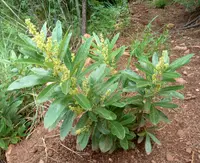
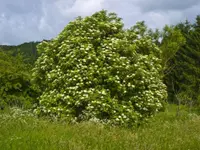
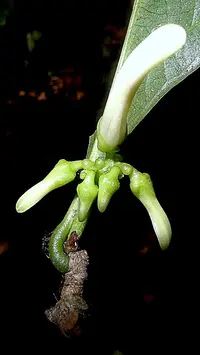
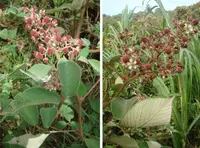
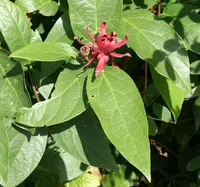
Spicebush, Calycanthus occidentalis, is a deciduous shrub known for its dense branching, aromatic foliage, and unusual reddish to brown, strap-like flowers. It typically forms a rounded, bushy shape that fits well in mixed borders or naturalistic plantings.

This species is native to streambanks and moist woodlands in western North America, especially California. It is valued for its fragrance, wildlife appeal, and tolerance of a range of garden conditions.

Spicebush prefers sun to light shade, with evenly moist, well-drained soil. Once established, it is considered moderately easy to grow, which helps gardeners learn how to care for spicebush with confidence.

Main Plant Requirements

Care Difficulty

Moderate Care

Light Preference

Partial Shade

Water Requirements

Regular Water

Temperature Preference

Cold Hardy

Hardiness Zone

7–10

Soil Texture

Loamy, Clay, Organic-rich

Soil pH

Slightly acidic (6.5–7.0), Neutral (7.0)

Soil Drainage

Moist but well-drained

Fertilization

Minimal (feed rarely)

Get Personalized Care Plan

Scan your plant to receive care tips personalized for your specific plant

Available on iOS and Android

How to Care for the spicebush

Calycanthus occidentalis grows best in bright outdoor sites with moderate direct sun and some protection from harsh afternoon exposure.

  • Aim for 4–6 hours of direct morning sun with light afternoon shade, or bright dappled light under high tree canopies.
  • The plant tolerates partial shade, but dense shade reduces flowering and creates lanky spicebush growth with fewer blooms.
  • In hot summers, protect from intense sun between 1–4 p.m. to prevent leaf scorch, especially on young or newly transplanted shrubs.

Calycanthus occidentalis prefers evenly moist, well-drained soil and reacts quickly to both drying out and waterlogging.

  • Water when the top 3–5 cm of soil feels dry, giving a slow, deep soak that moistens the root zone without leaving standing water.
  • Increase watering during hot, dry periods and reduce in cool, rainy seasons, allowing slightly drier soil in winter dormancy.
  • Watch for limp, folding leaves as a sign of underwatering, and for yellowing leaves or persistent soggy soil as signs of overwatering and poor drainage.

This shrub is adapted to temperate climates and handles a broad range of outdoor temperatures when established.

  • Active growth is strongest at 65–80°F (18–27°C), with steady flowering and good foliage quality in these conditions.
  • Mature plants tolerate winter lows near 10–15°F (-12 to -9°C); brief dips lower are possible, but young plants benefit from mulch for root protection.
  • In heat waves above 95°F (35°C), provide extra water and some afternoon shade to reduce stress, leaf scorch, and premature leaf drop.

Calycanthus occidentalis copes well with typical outdoor humidity and rarely needs special adjustment.

  • Aim for ambient humidity around 40–60% in containers or sheltered sites, similar to many temperate shrubs.
  • Dry, hot winds combined with low humidity can crisp leaf edges and cause premature leaf drop on spicebush.
  • Increase local humidity slightly by mulching the root zone and sheltering the shrub from direct, drying winds.

This shrub prefers deep, moist, well-aerated soil that stays evenly damp but not saturated.

  • Use a loamy soil with high organic matter, mixing native soil with composted bark or compost to improve structure and moisture retention.
  • Ensure drainage is moderate to fast, avoiding sites where water stands after rain, which encourages root rot and poor aeration.
  • Target a slightly acidic to neutral pH around 6.0–7.0; amend very alkaline soil with organic matter to buffer extremes.
  • In heavy clay, improve drainage and aeration by raising the planting area and incorporating coarse sand or fine gravel plus organic matter.

This species can be grown in large containers if the pot provides enough root volume and stability.

  • Choose a wide, heavy container to counterbalance the shrub’s leafy top growth and reduce tipping in wind.
  • Select a pot depth that allows a broad, spreading root system rather than a narrow, tall container that restricts lateral roots.
  • Use a slightly moisture-retentive yet free-draining mix and elevate the pot on feet so drainage holes never sit in collected water.

Calycanthus occidentalis grows well in moderately fertile soil and usually needs only light feeding once established.

  • In average garden soil, apply a thin layer of compost or well-rotted manure around the root zone in early spring.
  • If growth appears weak, use a balanced slow-release fertilizer (such as 10-10-10) at label rates once in spring for caring for spicebush shrubs.
  • Avoid high-nitrogen products that push lush foliage at the expense of flowers, especially on young plants.
  • Do not feed in late fall or winter, when the shrub is dormant and nutrient uptake is minimal.

Calycanthus occidentalis benefits from periodic, light pruning to maintain shape and encourage flowering wood.

  • Best time for structural pruning is late winter to very early spring, before new growth starts.
  • During the growing season, remove dead, damaged, crossing, or inward-growing branches to open the shrub’s center.
  • Use clean, sharp bypass pruners to make angled cuts just above outward-facing buds or branch junctions.
  • Limit heavy cutting to older, overgrown stems, removing a few at the base to renew growth and preserve natural form.

This shrub is usually grown in the ground; focus on careful transplanting rather than frequent repotting.

  • Transplant in late fall or early spring when the plant is dormant and temperatures are mild.
  • Move established shrubs only when necessary, watching for signs like poor vigor or being outgrown by nearby plants.
  • Dig a wide planting hole, keep the root ball intact, and set it at the same soil depth to limit root stress.
  • Water thoroughly after transplanting, then maintain even moisture and a mulch layer to help roots re-establish.

Calycanthus occidentalis is commonly propagated by seeds and semi-hardwood cuttings with attention to timing and moisture.

  • Sow fresh seeds in fall outdoors or use cold stratification (a cool, moist rest) for several weeks before spring sowing.
  • Take semi-hardwood cuttings in mid to late summer, 10–15 cm long, from non-flowering shoots.
  • Remove lower leaves, dip bases in rooting hormone, and place in a moist, free-draining medium under high humidity and bright shade.
  • Layering low, flexible stems by pegging them into soil until roots form is another reliable method.

This species is generally cold hardy in much of its range and needs minimal winter attention once established.

  • In colder climates, apply 5–8 cm of organic mulch over the root zone in late fall, keeping it slightly away from the stems.
  • Avoid late-season nitrogen feeding, which can leave new growth tender to frost.
  • Container-grown plants in marginal climates can be overwintered in a sheltered, unheated but frost-free space if prolonged hard freezes are expected.

Care Tips

Encourage Basal Shoots

After flowering, lightly thin older stems at ground level to encourage new basal shoots, which keeps the shrub dense and maintains abundant future bloom wood.

Mulch For Cool Roots

Apply a 5–8 cm layer of shredded bark or wood chips over the root zone, keeping it a few cm away from the stems, to keep roots cool, conserve moisture, and reduce weed competition.

Create Wind Shelter

Site the plant where buildings, fences, or taller shrubs break prevailing winds, which helps prevent stem dieback and preserves the large, fragrant flowers.

Use Soaker Irrigation

Install a soaker hose or drip line in a ring around the dripline to deliver slow, deep watering that promotes a broad, stable root system and reduces foliar disease risk.

Plan Wildlife Support

When growing spicebush in mixed plantings, combine it with other nectar and host plants to create a small habitat strip that supports pollinators and beneficial insects that help keep pests in balance.

Everything About spicebush

Common Pests and Diseases

Leaf spot

This disease causes small circular to irregular brown spots on leaves, sometimes with a yellow halo and premature leaf drop in humid weather.

Solution

Prune and dispose of affected leaves, avoid overhead watering, and improve spacing and airflow; during extended wet periods, a copper-based fungicide labeled for ornamental shrubs can be applied preventively according to label directions.

Powdery mildew

This disease produces a white to gray powdery film on young leaves and stems, which may curl, distort, or show reduced vigor in shaded or crowded sites.

Solution

Thin interior branches to increase light and airflow, avoid high-nitrogen fertilization, and apply a horticultural oil or potassium bicarbonate spray at first signs, repeating as directed until new growth appears clean.

Scale insects

These insects appear as small, dome-shaped or shell-like bumps on stems and leaf veins, leading to yellowing foliage, sticky honeydew, and sometimes sooty mold on Calycanthus occidentalis shrubs.

Solution

For light infestations, gently scrub stems with a soft brush dipped in water with a few drops of mild soap; for heavier infestations, use a labeled horticultural oil during the growing season or a dormant oil spray in late winter, ensuring thorough coverage of stems and branch crotches.

Aphids

These insects cluster on tender shoot tips and leaf undersides, sucking sap and causing distorted new growth, sticky honeydew, and possible ant activity around the shrub.

Solution

Spray affected shoots with a firm stream of water to dislodge aphids, then treat remaining colonies with insecticidal soap or horticultural oil, repeating applications every 5–7 days as needed while protecting beneficial insects as much as possible.

Spider mites

This pest causes fine stippling, bronzing, and dulling of leaves, often with delicate webbing between leaves and stems during hot, dry weather.

Solution

Increase humidity around the shrub by occasional hosing of the foliage, then target mites with repeated sprays of water and, if needed, a labeled miticidal soap or horticultural oil, making sure to cover the undersides of leaves where mites concentrate.

Interesting Facts

Water-dispersed, not wind

Its fruits are heavy, woody capsules that usually drop near the parent plant and release seeds that are often moved short distances by water along streams, rather than by wind.

Streambank specialist

This shrub is naturally restricted to moist canyons, seeps, and stream margins in California and southwestern Oregon, showing a strong ecological preference for consistently damp, but not waterlogged, soils.

Fragrance varies widely

The maroon flowers can smell fruity, wine-like, or sometimes unpleasant, and this variation reflects genetic differences among individual plants rather than simple environmental effects.

Botan icon

Did you know?

The flower structure combines numerous spiral-arranged tepals and many stamens and carpels, giving the blooms a primitive, magnolia-like appearance that reflects the ancient evolutionary lineage of the Calycanthaceae family.

FAQs about spicebush

Lack of flowers often comes from too much shade, heavy pruning at the wrong time, or nutrient‑rich but phosphorus‑poor soil. Avoid hard pruning after flower buds form, and use a balanced fertilizer to support bud development.

Grow Healthy Plants with Botan Care

Keep your plants happy and healthy with plant identification, disease detection, and easy care guidance.

Botan plant care app — identify plants on mobile

Explore More Plants