Controlled root restriction
Use a relatively small, heavy clay pot and avoid frequent up-potting, as mild root restriction encourages tighter branching and better resin production in Boswellia serrata.

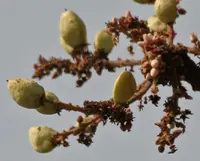
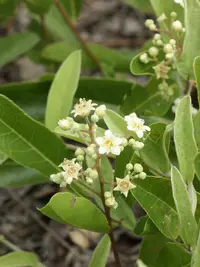
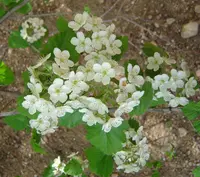
Indian frankincense, Boswellia serrata, is a small, deciduous tree known for its aromatic resin used in incense and traditional remedies. It has a gnarled trunk, feather-like leaves, and small, pale flowers.
In nature it grows in dry, rocky hills of India and surrounding regions, where it tolerates heat, intense sun, and poor, stony soils. The species is relatively drought-tolerant but dislikes prolonged cold and heavy, waterlogged substrates.
For those who want to care for Indian frankincense at home, it is helpful to know it behaves more like a dryland succulent tree than a tropical houseplant. It prefers bright light, very well-drained soil, and careful, infrequent watering.

Care Difficulty
Moderate Care

Light Preference
Full Sun

Water Requirements
Low Water

Temperature Preference
Tropical / Frost Sensitive

Hardiness Zone
10–12

Soil Texture
Sandy, Loamy, Rocky

Soil pH
Slightly acidic (6.5–7.0), Slightly alkaline (7.0–7.5)

Soil Drainage
Well-drained

Fertilization
Minimal (feed rarely)
Scan your plant to receive care tips personalized for your specific plant
Available on iOS and Android
Boswellia serrata prefers bright, dry sun conditions similar to its native arid habitats.
This species is drought-tolerant and prefers infrequent, thorough watering with fast drying between soakings.
This dryland tree favors consistently warm conditions and is sensitive to frost.
This species prefers fairly dry air and usually handles indoor humidity without special measures.
Boswellia serrata needs very fast-draining, mineral-heavy soil that mimics rocky, arid habitats.
This species adapts well to container growing when drainage and root conditions are tightly controlled.
Boswellia serrata grows on poor soils and needs only modest feeding when cultivated in pots.
Boswellia serrata benefits from light structural pruning to maintain a strong, open canopy.
This drought-adapted tree dislikes frequent disturbance, so repotting or transplanting should be infrequent and deliberate.
Boswellia serrata is usually propagated from seeds or semi-hardwood cuttings under controlled, warm conditions.
This species is frost-sensitive and needs protection in regions with cold winters, especially when grown in containers.

Plant Health Check
Not sure what's wrong with your plant? Check your plant's health inside the app.
The tree produces its aromatic resin mainly during the hot, dry season, when tapping wounds trigger specialized resin ducts in the bark to exude oleo-gum-resin that later hardens into frankincense tears.
This species is naturally distributed in dry, rocky regions of India and parts of the western Himalayan foothills, where it grows on shallow, nutrient-poor soils that many broadleaf trees cannot tolerate.
The trunk and branches have pale, papery bark that peels away in thin flakes, a characteristic adaptation that helps reflect sunlight and may reduce surface-heating in its arid habitat.

Archaeobotanical and historical evidence show that resin from this species was an important regional incense and trade commodity in the Indian subcontinent for centuries, distinct from the Arabian and African frankincense species used around the Mediterranean and Middle East.
Brown leaf tips or edges usually come from underwatering, hot dry air, or salt buildup from fertilizer. Check soil moisture, flush the pot occasionally, and protect from intense heat or sudden temperature swings.
Keep your plants happy and healthy with plant identification, disease detection, and easy care guidance.