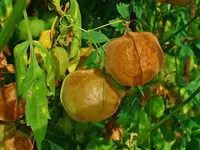
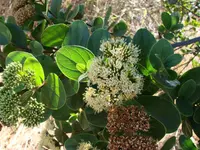
Bidi leaf tree Care (Bauhinia racemosa)

Bidi leaf tree

About Bidi leaf tree

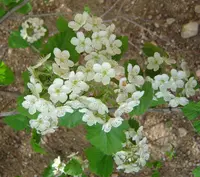
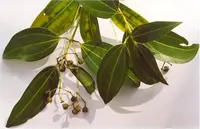
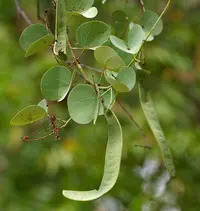
Bidi leaf tree, Bauhinia racemosa, is a small deciduous tree known for its distinctive paired, cow-hoof shaped leaves and modest, creamy white flower clusters. It often develops a rounded crown and moderate branching, giving a light, open appearance.

This species is native to South Asia, where it grows in dry forests and scrubby hillsides, so it adapts well to warm, relatively arid climates. It generally prefers full sun, well-drained soil, and moderate watering, and it tolerates some drought once established.

These traits usually make it a hardy, low-maintenance choice for suitable climates, as long as frost is limited. Understanding these natural habits provides a sound basis for how to care for Bidi leaf tree in home gardens or landscapes.

Main Plant Requirements

Care Difficulty

Moderate Care

Light Preference

Full Sun

Water Requirements

Moderate Water

Temperature Preference

Tropical / Frost Sensitive

Hardiness Zone

10–11

Soil Texture

Sandy, Loamy, Organic-rich

Soil pH

Slightly acidic (6.5–7.0), Neutral (7.0)

Soil Drainage

Well-drained

Fertilization

Minimal (feed rarely)

Get Personalized Care Plan

Scan your plant to receive care tips personalized for your specific plant

Available on iOS and Android

How to Care for the Bidi leaf tree

Bauhinia racemosa grows best in bright, direct sun for strong flowering and compact growth.

  • Provide 6–8 hours of direct sunlight daily, with at least 3–4 hours of gentle morning sun to support abundant blooms on a Bidi leaf tree.
  • Allow light afternoon shade, especially in hot, dry climates, to reduce leaf scorch and stress from intense sun between 1–4 pm.
  • In areas with low light or heavy shade, expect fewer flowers and leggier growth; site the plant in the sunniest, most open position available.

Bauhinia racemosa prefers evenly moist but not saturated soil once established.

  • Water when the top 3–5 cm of soil feels dry, applying a deep soak so moisture reaches the root zone, then let excess drain away.
  • In summer heat, monitor more often and increase volume rather than frequency; in cooler months, reduce watering as growth slows.
  • Watch for yellowing, soft leaves or a sour soil smell as signs of overwatering, and dry, curling leaves or premature leaf drop as signs of underwatering.

This species thrives in warm climates and does poorly where winters are cold or frosty.

  • Aim for growing temperatures around 70–90°F (21–32°C) for active growth and flowering during the main season.
  • Protect the plant if temperatures drop near 40°F (4°C); it is very sensitive to frost and may suffer damage below 32°F (0°C).
  • In hot regions with summer highs above 100°F (38°C), provide soil mulch and some afternoon shade to reduce heat stress and moisture loss.

This species tolerates a wide range of humidity and usually does not need special adjustment outdoors.

  • Prefers 40–60% humidity but copes with drier air once well established.
  • Leaf tip browning, edge crisping, and slow new growth can indicate air that is too dry for young Bidi leaf tree plants or seedlings.
  • Increase humidity around young plants by grouping pots, using a nearby water tray, or providing occasional misting in very dry, hot conditions.

Bauhinia racemosa prefers well-drained, moderately fertile soil that does not stay waterlogged.

  • Use a loose, loamy mix with roughly 40% garden loam, 40% coarse sand, and 20% compost to balance drainage and nutrients.
  • Ensure fast drainage; water should pass through in seconds, without pooling on the surface or leaving the mix soggy for more than a few hours.
  • Aim for slightly acidic to neutral pH, around 6.0–7.5, which supports nutrient availability and root health.
  • Improve aeration in heavy or clayey ground by working in coarse sand, small gravel, or fine bark to prevent compaction and root rot.

This species can be grown in containers for several years, especially in warm climates or where winter protection is needed.

  • Choose a deep, heavy pot to stabilize the woody top growth and prevent tipping in wind.
  • Select a gritty mix that drains rapidly yet retains some moisture, such as loam with coarse sand and a small amount of compost.
  • Raise the container slightly on feet or bricks so drainage holes stay clear and excess water exits quickly after heavy rain or irrigation.

This small tree responds well to light, balanced feeding but often manages in the ground with modest soil fertility.

  • Use a balanced NPK fertilizer (such as 10-10-10) or well-rotted compost for caring for Bidi leaf tree in nutrient-poor soils.
  • Feed container or young Bauhinia racemosa plants every 4–6 weeks during spring–summer active growth.
  • Apply fertilizer at half the label strength to avoid root burn and excessive, weak shoot growth.
  • Stop feeding in late summer and avoid fertilizing during cool, dormant periods.

Pruning helps maintain structure and flowering quality in Bauhinia racemosa.

  • Carry out main pruning in late winter or very early spring before new growth starts.
  • Remove dead, diseased, crossing, or inward-growing branches to open the canopy and improve air flow.
  • Shorten overly long shoots to shape the crown and encourage strong, balanced framework branches.
  • Use clean, sharp bypass pruners or a pruning saw, making cuts just above a bud or branch junction.

This species is usually grown in the ground, so focus on careful transplanting of young trees.

  • Transplant in late winter or early spring when growth is dormant or just starting, to reduce shock.
  • Look for roots circling the pot, water draining too fast, or slowed growth as signs a potted plant needs a larger container.
  • Move up only 1–2 pot sizes, teasing apart circling roots gently and setting the plant at the same soil level.
  • Water thoroughly after planting, then keep soil evenly moist and shaded for 1–2 weeks to limit transplant stress.

Bauhinia racemosa is usually propagated from seed, with cuttings used less often.

  • Collect mature pods and sow fresh seeds in spring in a free-draining, sterile seed mix.
  • Scarify hard seed coats lightly with sandpaper, then soak seeds 12–24 hours to improve germination.
  • Keep trays at 70–80°F with bright, indirect light and lightly moist, not wet, substrate.
  • For semi-hardwood cuttings, take 10–15 cm pieces in late spring–summer, use rooting hormone, and place in humid, warm conditions.

Established plants in mild to warm climates need only modest winter attention.

  • Bauhinia racemosa tolerates light frost but may suffer damage with prolonged freezes below about 25°F.
  • Apply a 5–8 cm layer of organic mulch around the root zone, keeping it slightly away from the trunk.
  • Wrap young trunks with breathable frost cloth in colder areas to reduce bark damage risk.
  • Move container-grown plants indoors or into a greenhouse before the first hard frost, providing bright light and reduced watering.

Care Tips

Early framework training

In the first 2–3 years, select 3–5 well-spaced main branches and lightly tip-prune competing shoots after flowering to build a strong, open framework that resists storm damage and improves airflow through the canopy.

Root zone mulching

Maintain a 5–8 cm layer of coarse organic mulch in a wide ring away from the trunk flare to keep roots cool, reduce weed competition, and stabilize moisture during hot, dry periods.

Salt and alkali management

In areas with hard or alkaline irrigation water, leach the root zone 2–3 times per growing season by deep watering beyond normal irrigation to flush built-up salts that can cause leaf edge burn and reduced flowering.

Flowering performance check

If flowering declines while foliage remains healthy, review recent pruning or heavy nitrogen applications and adjust by limiting cuts to post-flowering periods and using low-nitrogen, phosphorus-balanced fertilizers to restore bloom production.

Trunk and limb protection

In very hot or exposed sites, protect young trunks and main limbs with a breathable tree wrap or temporary shade cloth on the west and south sides to reduce sunscald and bark cracking while the canopy is still developing.

Common Pests and Diseases

Leaf gall

This disease causes swollen, blister-like galls on young leaves and sometimes on tender shoots, leading to distortion and reduced photosynthesis. Symptoms include thickened, curled, or irregular leaf patches that later turn brown and dry.

Solution

Prune and destroy affected leaves and shoots as soon as galls appear, and avoid overhead watering that keeps foliage wet. For trees with recurring problems, apply a copper-based fungicide at the start of new growth and repeat according to label directions, and maintain good spacing and airflow around the plant.

Powdery mildew

This disease appears as white, powdery fungal growth on young leaves, buds, and tender stems, often causing yellowing, distortion, and premature leaf drop. Symptoms include a dusty coating that can be wiped off with a finger.

Solution

Improve air circulation by thinning crowded branches and avoid prolonged leaf wetness, especially in shaded, humid locations. At first signs, remove heavily infected leaves and treat remaining foliage with a sulfur or potassium bicarbonate fungicide labeled for ornamental trees, applying in cool, dry conditions to avoid leaf burn.

Leaf spot

This disease causes small, water-soaked or brown lesions on leaves that may enlarge, coalesce, and sometimes develop yellow halos, reducing the plant’s vigor. Symptoms include premature shedding of heavily affected leaves, especially in humid or rainy periods.

Solution

Collect and dispose of fallen infected leaves to reduce reinfection, and water at the base rather than over the canopy. During extended wet weather, a preventative copper or chlorothalonil spray can be used according to label instructions, and pruning to open the canopy will help leaves dry more quickly.

Leaf caterpillars

These insects chew irregular holes in leaves and can defoliate young trees if populations are high, often leaving skeletonized foliage and frass pellets on or under the plant. This pest may roll or tie leaves together for shelter while feeding.

Solution

Inspect foliage regularly and handpick caterpillars or prune out rolled leaves where practical, especially on young or small trees. For heavier infestations, apply a biological control such as Bacillus thuringiensis (Bt) to young larvae in the evening, and encourage natural predators by limiting broad-spectrum insecticide use.

Scale insects

These insects attach to stems and leaf undersides as small, dome-shaped or flattened bumps, sucking sap and weakening the tree. This pest often leads to sticky honeydew on leaves and nearby surfaces, sometimes followed by black sooty mold growth.

Solution

On light infestations, gently scrub affected stems with a soft brush or cloth dipped in mild soapy water, then rinse. For larger trees or persistent problems, use a horticultural oil spray during mild weather to smother nymphs and adults, and consider a dormant-season oil application to reduce overwintering populations as part of long-term Bauhinia racemosa plant care.

Interesting Facts

Distinctive bifid leaves

This species has small, deeply notched leaves that look like they are split into two lobes, which is why the genus Bauhinia is sometimes called the twin-leaf or camel’s foot group. The leaf shape is a key feature used by botanists to distinguish it from related species with larger or differently shaped foliage.

Late-summer flowering habit

It tends to flower in the late summer to early autumn in many parts of its native range, producing white to pale yellow blossoms on loose, elongated clusters known as racemes. This timing helps it avoid direct competition for pollinators with some of the more showy, earlier-flowering Bauhinia species.

Native dry-forest specialist

The species is naturally found in dry deciduous forests and scrub habitats across parts of the Indian subcontinent. It is adapted to seasonal drought, often shedding leaves during the driest period to reduce water loss.

Botan icon

Did you know?

In several regions of India, its fibrous bark is traditionally used as a natural cordage material, providing strong strips for tying and binding in rural crafts and agriculture, which has contributed to the species’ long-standing practical value in local communities.

FAQs about Bidi leaf tree

Poor flowering usually comes from insufficient sunlight, lack of maturity, or nutrient imbalance from heavy nitrogen fertilization. Ensure full sun, avoid frequent root disturbance, and use a balanced, low-nitrogen fertilizer to support bud formation and regular flowering.

Grow Healthy Plants with Botan Care

Keep your plants happy and healthy with plant identification, disease detection, and easy care guidance.

Botan plant care app — identify plants on mobile

Explore More Plants