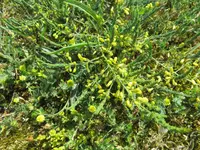
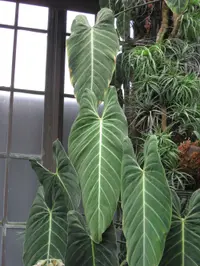
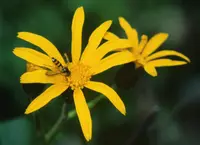
lesser yam Care (Dioscorea esculenta)

lesser yam

About lesser yam

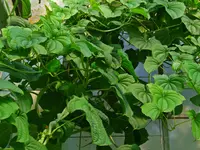
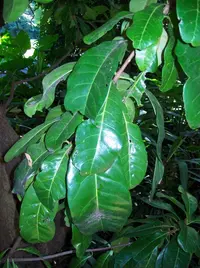
Lesser yam, Dioscorea esculenta, is a twining tropical vine grown mainly for its small, starchy underground tubers. The plant climbs using slender stems and heart-shaped leaves, often needing a support to grow well.

It is native to Southeast Asia and the Pacific region and is now cultivated in many warm, humid climates as a traditional food crop. The plant is generally robust but needs warmth, consistent moisture, and loose, well-drained soil, so care for lesser yam is easier in frost-free conditions.

Its vining habit and seasonal dormancy influence how it fits into gardens or containers, as growth slows or dies back when conditions become too cool or dry.

Main Plant Requirements

Care Difficulty

Moderate Care

Light Preference

Full Sun

Water Requirements

Regular Water

Temperature Preference

Tropical / Frost Sensitive

Hardiness Zone

10–12

Soil Texture

Sandy, Loamy, Organic-rich

Soil pH

Acidic (5.5–6.5), Slightly acidic (6.5–7.0)

Soil Drainage

Moist but well-drained

Fertilization

Moderate (every 2–4 weeks)

Get Personalized Care Plan

Scan your plant to receive care tips personalized for your specific plant

Available on iOS and Android

How to Care for the lesser yam

This species prefers bright, warm conditions that mimic an open tropical field edge.

  • Provide 6–8 hours of sun daily, with morning sun and light afternoon shade; intense midday sun in hot climates can scorch young vines and dry the soil too fast.
  • Tolerates light partial shade (around 4 hours direct sun) but tuber yields may drop if shade is dense or prolonged.
  • In cooler seasons or higher latitudes, site lesser yam in a south- or west-facing, unshaded spot to maximize growing-season light.

Watering should support steady vine and tuber growth without keeping the soil saturated.

  • Use a well-drained, loose soil or raised bed so water passes through quickly and does not pool around the tubers.
  • Irrigate when the top 3–5 cm of soil feels dry, giving a deep soak, then allow excess water to drain; avoid shallow, frequent splashes.
  • During active growth, monitor leaves for early wilting as a sign of dryness; reduce watering once foliage yellows and dies back before dormancy.

This tropical yam grows best in consistently warm, frost-free conditions.

  • Ideal growing temperatures are 77–90°F (25–32°C); growth slows noticeably below 68°F (20°C).
  • Protect from temperatures below 50°F (10°C); frost can kill vines and damage shallow tubers, especially in poorly mulched soil.
  • In hot regions, plants tolerate up to about 95°F (35°C) if soil moisture is maintained and vines receive some afternoon shade to limit heat stress.

This yam tolerates a wide humidity range but benefits from moderately moist air in active growth.

  • Aim for 50–70% humidity during warm-season growth, especially in dry indoor air or arid climates.
  • Plants tolerate brief dips to 30–40%, but prolonged very dry air can slow vine growth and cause leaf edges to brown or curl.
  • Increase humidity with a nearby open tray of water and pebbles or by grouping plants, rather than misting leaves directly.

Dioscorea esculenta forms underground tubers, so soil must be loose, deep, and well-aerated to avoid deforming or rotting them.

  • Use a loose sandy or sandy-loam mix enriched with 20–30% compost for nutrients and tuber expansion.
  • Ensure fast drainage by blending coarse sand and perlite into garden loam, avoiding compacted or sticky clay.
  • Aim for slightly acidic to neutral pH around 6.0–7.0, which supports nutrient uptake and tuber development.
  • Lift and crumble heavy ground before planting, incorporating organic matter to improve aeration and prevent waterlogging around the tubers.

This species can be grown in containers if given enough depth and stable support for the climbing vine.

  • Choose a tall, 30–40 cm deep container so tubers can develop downward without crowding or deforming.
  • Select a heavy clay or thick plastic pot that resists tipping once the vine and trellis gain height and weight.
  • Provide a sturdy trellis or vertical support anchored in the pot to prevent root disturbance when the vine is trained upward.

Dioscorea esculenta responds well to modest, consistent feeding during active growth for reliable tuber production.

  • Use a balanced, dilute liquid fertilizer (for example 10-10-10 at 1/2 strength) or well-rotted compost during the warm growing season.
  • Apply fertilizer every 4–6 weeks once vines are growing strongly, onto moist soil to limit root burn.
  • Reduce feeding sharply as foliage yellows and growth slows, then stop during full dormancy or cool winter conditions.
  • For container-grown lesser yam, a slow-release balanced fertilizer in spring supports steady growth with fewer applications.

Pruning needs for Dioscorea esculenta are light and mainly focused on managing vine growth and plant health.

  • Best time for pruning is late winter to early spring, just before new shoots emerge.
  • Remove dead, diseased, or damaged vines with clean, sharp pruners to limit pest and disease issues.
  • Thin out weak, tangled, or overly crowded stems to improve air flow and light penetration along the trellis.
  • Trim back excessively long vines to maintain a manageable shape and to keep foliage supported on its structure.

Transplanting Dioscorea esculenta is mainly about giving the underground tubers enough loose, fertile space to expand.

  • Plan transplanting or first planting in mid to late spring, once soil is warm and frost risk has passed.
  • Look for slow top growth, small vines, or crowded tubers as signs the plant needs a larger bed or mound.
  • Typically lift and reset tubers every 1–2 years, spacing them well apart in deep, well-drained soil.
  • Handle tubers gently, keep roots shaded and moist during transfer, and water in thoroughly to reduce transplant shock.

Propagation of Dioscorea esculenta is most reliable from tuber pieces rather than from true seeds.

  • In late winter or early spring, cut healthy tubers into sections, each with at least 1–2 buds or eyes.
  • Allow cut surfaces to dry and callus for 1–2 days in a shaded, airy place to reduce rot risk.
  • Plant pieces 5–10 cm deep in warm, well-drained soil or a loose potting mix, keeping it just slightly moist.
  • Maintain soil temperatures above 70°F with bright light and good ventilation to support strong sprouting and early growth.

Cold-sensitive Dioscorea esculenta benefits from simple but consistent winter protection in cooler climates.

  • The tubers are damaged by hard frost, so in USDA zones below 9 they are best lifted before freezing temperatures.
  • In mild climates, keep tubers in ground but apply a 5–10 cm layer of dry mulch over the root zone.
  • In very cold areas, dig tubers, dry briefly, then store in slightly moist medium at 50–60°F in a dark, frost-free space.
  • Container plants can be moved to a cool, bright indoor area, watering lightly to keep tubers from shriveling during dormancy.

Care Tips

Use sturdy trellis

Install a strong, 1.8–2.1 m trellis or netting before shoots emerge so young vines can be tied loosely with soft ties every 20–30 cm, preventing damage and encouraging upright growth for better light and airflow.

Staggered tuber lifting

In mild climates, harvest only the largest tubers first and gently backfill the soil, leaving smaller ones in place to size up for a later harvest and extending the productive season.

Mulch for cool roots

Apply a 5–8 cm layer of clean straw or shredded bark mulch once the soil is warm to keep the root zone cool, reduce surface cracking, and maintain an even moisture profile around the developing tubers.

Careful vine repositioning

When vines become tangled, untwist and redirect them in the evening or on cloudy days, when tissues are less stressed, to reduce snapping and to keep foliage spread evenly across the support.

Curing and storage

After harvesting, cure tubers in a single layer at 80–90% humidity and 80–86°F for 5–7 days, then store them in a dark, well‑ventilated space at 55–60°F to improve flavor and reduce storage rot when growing lesser yam.

Common Pests and Diseases

Scale insects

This pest attaches firmly to stems and leaves, sucking sap and weakening vines and foliage on lesser yam plants.

Solution

Prune and discard heavily infested vines, then physically scrape or wipe scales off stems with a cotton pad dipped in soapy water or 70% isopropyl alcohol; in outdoor plantings, follow with a neem oil or horticultural oil spray, repeating every 7–10 days until new growth appears clean.

Mealybugs

These insects hide in leaf axils, tuber eyes, and under dried leaf sheaths, feeding on sap and often producing sticky honeydew that can attract sooty mold.

Solution

Isolate affected plants, then dab visible mealybugs with 70% isopropyl alcohol or wash vines with a strong stream of water; for persistent infestations, apply neem oil or an insecticidal soap thoroughly to all aboveground parts and repeat treatments weekly until no new insects appear.

Yam anthracnose

This disease causes dark, sunken spots with yellow halos on leaves and vines, which can merge and lead to dieback in humid, warm conditions.

Solution

Remove and destroy spotted leaves and infected vine sections, avoid overhead watering, and improve airflow around plants; in outdoor beds, rotate out of yam for at least 2–3 years and, where allowed, use a copper-based fungicide preventively at the start of the wet season if anthracnose has occurred before.

Yam mosaic virus

Symptoms include mottled, streaked, or distorted leaves and reduced vine vigor, leading to smaller or misshapen tubers over time.

Solution

There is no cure, so remove and destroy severely affected plants and avoid replanting tubers from symptomatic vines; start with certified clean seed tubers when possible and control sap-sucking insects like aphids that spread the virus, using reflective mulches and insecticidal soaps to keep vector numbers low.

Dry rot of tubers

This disease affects stored or soil-borne tubers, causing sunken, dry, brown to black lesions that can extend inward and spoil planting material.

Solution

Cut and discard all visibly infected tuber tissue and do not plant affected pieces; before storage, cure harvested tubers in a warm, shaded, well-ventilated place for 7–10 days, then store in a cool, dry area with good air movement and use only firm, unblemished tubers for growing lesser yam.

Interesting Facts

Early tropical staple

This lesser yam was one of the earliest root crops domesticated in tropical Asia and the Pacific, and is still an important staple food in parts of Southeast Asia and Oceania, especially in small-scale, mixed farms.

Relatively smooth tubers

Compared with many other yam species, its underground tubers are smaller, more cylindrical, and have relatively smooth skin, which makes them easier to peel and process as a food crop.

Climbing twining vine

The plant is a twining climber that wraps around supports in a consistent direction, producing slender stems with small, heart-shaped leaves adapted to scramble through surrounding vegetation in humid tropical climates.

Botan icon

Did you know?

Archaeobotanical and ethnobotanical evidence suggests that this species formed part of an independent root-crop complex in Island Southeast Asia and Oceania, meaning it was domesticated locally rather than introduced along with Old World cereals such as rice and wheat.

FAQs about lesser yam

This species grows as a twining vine. It climbs using slender, often spiny stems that wrap around stakes, trellises, or nearby plants. It does not form a matting ground cover but can tangle if unsupported.

Grow Healthy Plants with Botan Care

Keep your plants happy and healthy with plant identification, disease detection, and easy care guidance.

Botan plant care app — identify plants on mobile

Explore More Plants