Use Inoculated Seed
Choose seed pre-coated with Bradyrhizobium japonicum or apply a soybean-specific inoculant to untreated seed so roots form effective nitrogen-fixing nodules and plants need less added fertilizer.

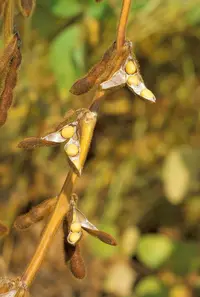
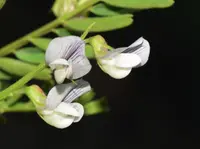
Soybean, Glycine max, is a warm-season annual legume grown for its protein-rich seeds and oil. It forms upright, bushy plants with trifoliate leaves and small, pale flowers that develop into fuzzy pods.
The species originated in East Asia and is now cultivated widely in temperate and subtropical regions as a major food and feed crop. Its ability to fix nitrogen in the soil helps reduce fertilizer needs and supports healthy growth in suitable conditions.
Soybean is generally straightforward to grow if it receives full sun, consistent moisture, and well-drained, fertile soil. Understanding how to care for soybean at each stage of growth helps maintain strong plants and good yields.

Care Difficulty
Moderate Care

Light Preference
Full Sun

Water Requirements
Moderate Water

Temperature Preference
Tropical / Frost Sensitive

Hardiness Zone
3–9

Soil Texture
Loamy, Sandy, Clay

Soil pH
Acidic (5.5–6.5), Slightly acidic (6.5–7.0)

Soil Drainage
Moist but well-drained

Fertilization
Minimal (feed rarely)
Scan your plant to receive care tips personalized for your specific plant
Available on iOS and Android
Field-grown Glycine max performs best in full sun with long, bright days.
Water needs for this crop focus on steady, moderate soil moisture rather than frequent small drinks.
Strong vegetative and pod development depend on warm, stable temperatures throughout the season.
Glycine max handles a wide humidity range but grows best in moderately humid air.
Glycine max prefers deep, loose, well-drained soil that keeps roots aerated but evenly moist.
This species can be grown in containers if the pot is chosen and managed carefully.
Glycine max benefits from modest, well-timed nutrition to support vegetative growth and pod production.
Pruning Glycine max is minimal and mainly focuses on maintaining plant health and harvest quality.
Glycine max is usually grown as a seasonal crop and is better transplanted outdoors than repeatedly repotted.
Propagation of Glycine max is most practical and reliable from seed started each growing season.
Glycine max is an annual crop that does not need complex winter care, as plants naturally die after harvest.

Plant Health Check
Not sure what's wrong with your plant? Check your plant's health inside the app.
Glycine max forms nodules on its roots with Rhizobium bacteria, which convert atmospheric nitrogen into plant-available forms and significantly reduce the need for synthetic nitrogen fertilizers in crop systems.
Its seeds are notable for combining both high protein and high oil content, a combination that is relatively rare among major crops and underpins its central role in global food, feed, and industrial products.
Modern Glycine max was domesticated from the wild species Glycine soja in East Asia, with genetic and archaeological evidence pointing primarily to regions of present-day China as the main center of domestication.

Glycine max is one of the most extensively studied plant genomes, and its sequenced genome has made it a key model for understanding legume biology, nitrogen fixation, and the genetic improvement of high-protein crops worldwide.
Yellowing leaves often result from natural aging, nitrogen deficiency, root stress, or water imbalance. Check for waterlogged or very dry soil, pale new growth, or poor nodulation, and adjust fertilization and watering rather than treating older lower leaves.
Keep your plants happy and healthy with plant identification, disease detection, and easy care guidance.