Altai Onion Care (Allium altaicum)

Altai Onion

About Altai Onion

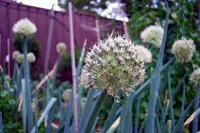
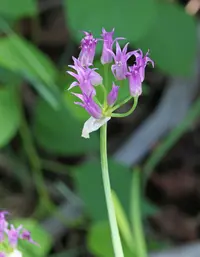
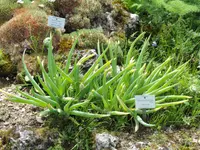
Altai onion, Allium altaicum, is a hardy perennial bulb from the mountain regions of Central Asia, especially the Altai Mountains. It forms tight clumps of upright, hollow leaves and round flower heads on slender stems, giving a neat, architectural look in rock gardens or sunny borders.

The plant is adapted to cold, windy, and relatively dry habitats, which makes it resilient in many temperate gardens. It generally prefers full sun, well-drained soil, and moderate moisture, so gardeners who learn how to care for Altai Onion usually find it straightforward to maintain.

Main Plant Requirements

Care Difficulty

Easy Care

Light Preference

Full Sun

Water Requirements

Moderate Water

Temperature Preference

Cold Hardy

Hardiness Zone

3–7

Soil Texture

Sandy, Loamy, Rocky

Soil pH

Slightly acidic (6.5–7.0), Neutral (7.0)

Soil Drainage

Well-drained

Fertilization

Minimal (feed rarely)

Get Personalized Care Plan

Scan your plant to receive care tips personalized for your specific plant

Available on iOS and Android

How to Care for the Altai Onion

This high-altitude onion prefers strong light and thrives in open, sunny positions.

  • Provide 6–8 hours of direct sun daily; full sun suits Altai Onion in most temperate climates.
  • Accepts light afternoon shade in hotter regions to limit leaf scorch, but avoid dense shade that causes weak, floppy growth.
  • In spring and fall, full exposure is ideal, while in midsummer use nearby plants or light fencing to give a little filtered afternoon sun if leaves bleach.

This bulb prefers moderate, well-timed watering and dislikes waterlogged soil.

  • Allow the top 3–5 cm of soil to dry before watering, aiming for evenly moist but never saturated soil around the bulbs.
  • Ensure sharp drainage with sandy or gritty soil so water does not pool; standing water promotes bulb rot in Allium altaicum.
  • Reduce watering after flowering and as foliage yellows, then keep almost dry during dormancy, watching for shriveling bulbs as a sign of underwatering.

This species is adapted to cold, continental climates with cool growing seasons.

  • Active growth is strongest around 50–70°F (10–21°C), with bulbs forming well in consistently cool to mild conditions.
  • Dormant bulbs tolerate down to about -20°F (-29°C) in well-drained soil and snow cover, but winter wet combined with freezing increases rot risk.
  • Heat above 85°F (29°C) can stress foliage; provide mulch and good soil moisture, and expect earlier dieback during hot, dry summers.

This species is adapted to dry, continental climates and does not require elevated humidity.

  • Target 30–50% relative humidity, similar to typical indoor air in heated homes.
  • Dry air is well tolerated; avoid prolonged, very damp air that encourages fungal issues on leaves and bulbs.
  • Signs of excess humidity stress include soft, water-soaked bulb tissue and lingering leaf spots after moisture exposure.

Allium altaicum prefers mineral, sharply drained soil that mimics its native mountain slopes.

  • Use a gritty loam or sandy loam with 30–50% coarse sand or fine gravel to prevent waterlogging around the bulbs.
  • Incorporate a small amount of well-rotted compost for nutrients, but keep overall organic matter moderate to avoid soggy conditions.
  • Aim for slightly alkaline to neutral pH, around 7.0–7.5, by adding garden lime if existing soil is distinctly acidic.
  • Improve aeration and drainage in heavy ground by creating a raised bed or planting on a slope-like mound with added grit.

This species can be grown successfully in containers if drainage and root depth are carefully managed.

  • Select a deep pot, at least 25–30 cm tall, to allow the bulb and roots to anchor and avoid crowding near the surface.
  • Use a heavy, stable container or add stones at the base layer so tall flowering stems do not tip the pot in wind.
  • Elevate the pot slightly on feet or bricks to ensure rapid drainage from the holes and prevent water pooling under the base.

This hardy bulb from the Altai region needs only light, well-timed feeding for steady growth and flowering.

  • Use a balanced, slow-release granular fertilizer (around 10-10-10) or a light layer of compost in early spring as shoots emerge.
  • Apply once at the start of the growing season; a second light dose after flowering is enough for Altai Onion.
  • Use half-strength liquid balanced feed if preferred, always on moist soil to avoid root burn.
  • Do not feed during summer dormancy or winter, as inactive bulbs do not use added nutrients.

Allium altaicum needs minimal pruning, mainly to keep the clump tidy and support bulb health.

  • In late summer or fall, remove yellowing or dead leaves at the base with clean hand pruners or scissors.
  • Cut spent flower stalks after the heads fade if seed is not required, which directs energy back to the bulb.
  • Leave green foliage in place until it naturally withers, allowing the plant to recharge through photosynthesis.
  • Remove any damaged or diseased parts promptly to maintain airflow and reduce fungal problems.

This species is usually grown in the ground, with transplanting focused on dividing and spacing clumps rather than frequent repotting.

  • Plan lifting and transplanting for late summer to early fall, after foliage has died back and bulbs are dormant.
  • Divide crowded clumps every 4–6 years when flowering declines or bulbs push against each other.
  • Gently lift bulbs with a fork, shake off loose soil, and keep roots shaded and slightly moist while replanting.
  • Replant bulbs at similar depth in well-drained soil, water lightly, and avoid heavy disturbance until new growth appears.

Propagation of this bulb-forming onion is straightforward through division and slower but possible from seeds.

  • Divide mature clumps in late summer or early fall when plants are dormant, separating offsets by hand.
  • Replant divisions immediately into well-drained soil, keeping the nose of each bulb just below the surface.
  • Sow fresh seed in fall in trays or outdoor seedbeds, allowing natural winter cold to break dormancy.
  • Maintain evenly moist but not waterlogged soil during germination, then thin seedlings to prevent overcrowding.

This mountain onion is cold hardy and usually needs little special winter care in temperate climates.

  • Established in-ground plants tolerate freezing temperatures; normal snowfall often provides enough insulation.
  • Apply a light mulch layer (2–5 cm) of leaf mold or bark over the bulb zone in very exposed or windy sites.
  • For containers, move pots to a sheltered, unheated but frost-free spot or insulate the container sides to protect roots.

Care Tips

Bulb division timing

Lift and divide clumps only after foliage has fully yellowed in late summer, then replant the biggest, firmest bulbs at the original depth to keep flowering strong and avoid stressing the plant.

Staking tall stems

In windy or exposed sites, place low, discreet ring supports or individual stakes around emerging stems in spring so that tall flower stalks stay upright without snapping near the base.

Seed head management

If volunteer seedlings are not desired, cut off seed heads as they dry but leave a short portion of the stem so nutrients have already moved back into the bulb before removal.

Targeted pest barriers

In areas with rodents or bulb-eating pests, plant bulbs inside wire mesh baskets or line the planting hole with hardware cloth, ensuring openings are large enough for roots to pass but too small for chewing animals.

Winter moisture control

In regions with wet winters, create slightly raised planting rows or mounds so excess water drains away from bulbs, which reduces the risk of rot when caring for Altai Onion.

Common Pests and Diseases

Allium leaf miner

This pest causes winding, whitish mines and blotches in the leaves, often followed by yellowing and collapse of the foliage.

Solution

Remove and destroy affected leaves as soon as tunneling is seen, use fine insect mesh over rows from early spring to prevent egg-laying, and avoid leaving old allium debris in the bed where larvae and pupae can overwinter.

Onion thrips

These insects rasp the leaf surface, leading to silvery patches, fine stippling, and gradual loss of vigor, especially in dry, warm weather.

Solution

Spray foliage with a strong jet of water to dislodge thrips, encourage natural predators by maintaining plant diversity, and, if pressure is high, use insecticidal soap or horticultural oil, ensuring thorough coverage of leaf folds and bases.

Downy mildew

This disease produces pale, yellowish patches on leaves that later develop a gray-violet, fuzzy growth, often in cool, humid conditions.

Solution

Improve spacing and airflow, water at soil level rather than overhead, promptly remove infected leaves, and rotate allium plantings so they do not return to the same bed for at least 3–4 years to lower inoculum levels.

Botrytis leaf blight

Symptoms include small white lesions with light green halos on leaves that merge into larger dead areas, especially during prolonged damp weather.

Solution

Remove and destroy infected foliage, avoid wetting leaves when watering, thin dense plantings to promote faster drying, and keep plant debris away from the bed to reduce spore sources, which is central to effective Allium altaicum care.

Basal rot

This disease causes yellowing and premature dieback of foliage, with bulbs showing brown, soft, or dry rot starting from the base plate.

Solution

Plant only healthy, firm bulbs, ensure well-drained soil, avoid excessive nitrogen and overwatering, and rotate crops, keeping all alliums away from infected soil for several years to break the disease cycle.

Interesting Facts

Altai mountain specialist

This species is native to dry, stony slopes and steppe zones of the Altai and neighboring Central Asian mountains, where it is adapted to cold winters, short summers, and intense sunlight at higher elevations.

Edible wild onion

Local people traditionally harvest its thickened bulbs and leaves as a wild vegetable and seasoning, valuing its strong onion flavor and early spring growth in harsh continental climates.

Cold and drought adapted

The plant forms a sturdy bulb and tough, hollow leaves that help it survive freezing temperatures, snow cover, and periodic summer drought typical of its native steppe and montane habitats.

Botan icon

Did you know?

In parts of Siberia and the Altai region, long-term local use and cultural value have led some botanists to describe it as a semi-cultivated or folk-cultivated onion, since it often grows near settlements and traditional gathering sites rather than only in remote wild habitats.

FAQs about Altai Onion

Yellowing leaves are usually natural dieback after flowering, especially in late summer. If yellowing occurs earlier, causes include waterlogged soil, compacted or very poor soil, nutrient depletion, or bulb stress from repeated division or transplanting.

Grow Healthy Plants with Botan Care

Keep your plants happy and healthy with plant identification, disease detection, and easy care guidance.

Botan plant care app — identify plants on mobile

Explore More Plants