Airflow management
Space plants so foliage does not touch and periodically thin out congested inner shoots to keep air moving through the canopy, which greatly reduces black spot and mildew on Rosa × odorata.

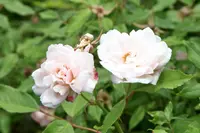
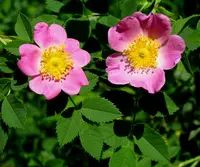
Tea rose, Rosa × odorata, is a classic garden rose group valued for its elegant flowers and repeat blooming habit. Plants are usually medium shrubs with upright, branching stems and pointed buds that open into layered, fragrant blooms. Colors range from soft pastels to richer tones, depending on the cultivar.
This hybrid originated from Chinese garden roses and influenced many modern rose varieties. Its disease sensitivity and need for consistent care make it moderately demanding. Gardeners who learn how to care for tea rose find it manageable, especially in sunny sites with fertile, well-drained soil and regular moisture.

Care Difficulty
Moderate Care

Light Preference
Full Sun

Water Requirements
Regular Water

Temperature Preference
Warm Climate

Hardiness Zone
6–9

Soil Texture
Loamy, Sandy, Organic-rich

Soil pH
Acidic (5.5–6.5), Slightly acidic (6.5–7.0)

Soil Drainage
Moist but well-drained

Fertilization
Moderate (every 2–4 weeks)
Scan your plant to receive care tips personalized for your specific plant
Available on iOS and Android
Rosa × odorata performs best in bright, direct sun with some protection from extreme midday heat.
Rosa × odorata prefers evenly moist, deep watering rather than frequent light splashing at the surface.
This rose thrives in mild to warm conditions and dislikes both hard frost and extreme heat.
Rosa × odorata prefers moderate outdoor humidity and usually adapts well in most garden settings.
Rosa × odorata grows best in deep, well-structured soil that balances moisture retention with fast drainage.
This rose is suitable for container growing when the pot supports its woody root system and top-heavy growth.
Modern tea rose hybrids of Rosa × odorata respond well to moderate, targeted feeding during the active growing season.
Pruning Rosa × odorata maintains strong flowering wood, good air circulation, and a manageable shrub structure.
Rosa × odorata is more often grown in the ground, so focus on careful transplanting or occasional pot up-sizing when rootbound.
Rosa × odorata is commonly propagated vegetatively to maintain cultivar traits and reliable flower quality.
Rosa × odorata often needs some winter care in colder climates, especially where temperatures drop below freezing for long periods.

Plant Health Check
Not sure what's wrong with your plant? Check your plant's health inside the app.
This species group has been a central parent in breeding modern tea and hybrid tea roses, contributing their characteristic flower shape, repeat-blooming habit, and refined fragrance to countless garden cultivars worldwide.
The scent profile of these roses, rich in compounds such as geraniol and citronellol, has influenced perfume development, and some fragrant cultivars derived from this group have been used as reference material in aroma research on rose scent chemistry.
Rosa × odorata is a historic horticultural hybrid complex that arose from early crosses between Chinese roses and other garden roses, forming a genetic and morphological bridge between older European rose classes and many modern rose groups.

Early imports of Chinese roses related to Rosa × odorata into Europe in the late 18th and early 19th centuries are widely credited with introducing the repeat-flowering trait into Western garden roses, permanently changing rose breeding and making long flowering seasons a standard expectation in ornamental roses.
Lack of blooms often comes from too little light, heavy pruning at the wrong time, or nutrient imbalance, especially excess nitrogen. Old, exhausted wood and root congestion also reduce flowering. Regular deadheading and balanced feeding support repeat blooms when growing tea rose.
Keep your plants happy and healthy with plant identification, disease detection, and easy care guidance.