Establish deep roots
During the first growing season, give one slow, thorough soak every 7–10 days in dry weather rather than frequent light watering, to encourage a deep, drought-resilient root system that anchors well in sandy or gravelly soils.

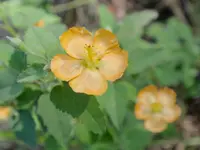
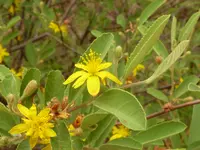
Texas Indian mallow, Abutilon fruticosum, is a small perennial shrub native to dry prairies, roadsides, and open scrublands in the south-central United States and northern Mexico. It belongs to the mallow family, the same group as hibiscus and okra.
Plants form loose, branching clumps with softly hairy, gray-green leaves and nodding, pale yellow to orange flowers that appear over a long warm season. The overall look is informal and slightly airy.
This species is adapted to heat, drought, and poor, well-drained soils, which makes it relatively low maintenance once established. Understanding how to care for Texas Indian mallow mainly involves providing strong light, avoiding waterlogged conditions, and allowing the soil to dry between waterings.

Care Difficulty
Easy Care

Light Preference
Full Sun

Water Requirements
Low Water

Temperature Preference
Warm Climate

Hardiness Zone
7–10

Soil Texture
Sandy, Loamy, Rocky

Soil pH
Slightly acidic (6.5–7.0), Slightly alkaline (7.0–7.5)

Soil Drainage
Well-drained

Fertilization
Minimal (feed rarely)
Scan your plant to receive care tips personalized for your specific plant
Available on iOS and Android
Abutilon fruticosum thrives in bright, open sites with strong sun exposure in most regions.
Abutilon fruticosum prefers dry to moderately moist soil and is drought-tolerant once established.
This species is adapted to warm, dry climates and tolerates substantial summer heat.
This species handles low humidity well and usually does not need special moisture in the air.
Abutilon fruticosum prefers lean, fast-draining soil that mimics dry, open habitats.
This species can be grown in containers when drainage and stability are carefully managed.
This drought-tolerant native Texas Indian mallow needs only light feeding in most garden soils.
Pruning helps keep Abutilon fruticosum compact, flowering well, and free of damaged growth.
This species is usually grown in-ground, so focus on thoughtful transplanting rather than frequent repotting.
Abutilon fruticosum is commonly propagated by seed and softwood cuttings.
This perennial is fairly cold hardy in much of its range and usually needs only modest winter care.

Plant Health Check
Not sure what's wrong with your plant? Check your plant's health inside the app.
This species is native to arid and semi-arid regions of the south-central United States and northern Mexico, where it is adapted to hot, dry conditions and shallow, rocky or sandy soils.
Its leaves and stems are covered with dense stellate hairs, which reduce water loss, protect from intense sun, and give the plant a gray-green, slightly fuzzy appearance.
The flowers provide nectar and pollen for native bees and other insects, while the seeds are eaten by small birds and mammals, so it is often included in prairie and pollinator restoration plantings.

In parts of the south-central United States, this species is considered a component of rare or declining native prairie and shrubland habitats, so it is sometimes deliberately introduced in restoration projects to help rebuild regionally characteristic plant communities.
Yellowing leaves usually come from root stress, nutrient deficiency, or natural aging of older foliage. Check for compacted soil, poor drainage, or depleted nutrients, and remove only the most faded, lower leaves to reduce stress.
Keep your plants happy and healthy with plant identification, disease detection, and easy care guidance.