whitewoolly rose Care (Rosa tomentosa)

Also known as: Harsh Downy-rose
whitewoolly rose

About whitewoolly rose

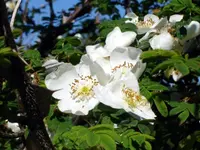
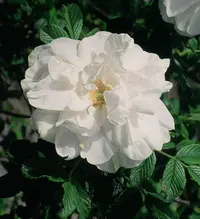
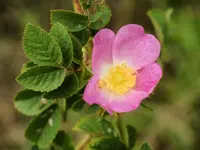
Rosa tomentosa, commonly called whitewoolly rose, is a deciduous wild rose shrub known for its soft, felted leaf undersides and arching, thorny stems. It typically produces soft pink, single flowers followed by bright red hips that attract birds. Native to Europe and parts of western Asia, it often grows in hedgerows, woodland edges, and scrubby slopes. This species is generally hardy and tolerant of cooler climates, which makes it suitable for low-maintenance naturalistic plantings. It adapts well to sun or light shade, prefers reasonably well-drained soil, and handles moderate drought once established. For gardeners who want to learn how to care for whitewoolly rose, its needs are straightforward compared with many ornamental roses.

Main Plant Requirements

Care Difficulty

Easy Care

Light Preference

Full Sun

Water Requirements

Moderate Water

Temperature Preference

Cold Hardy

Hardiness Zone

4–8

Soil Texture

Loamy, Sandy, Clay

Soil pH

Acidic (5.5–6.5), Slightly acidic (6.5–7.0)

Soil Drainage

Well-drained

Fertilization

Minimal (feed rarely)

Get Personalized Care Plan

Scan your plant to receive care tips personalized for your specific plant

Available on iOS and Android

How to Care for the whitewoolly rose

Rosa tomentosa thrives in bright, open conditions with several hours of direct sun each day.

  • Provide 4–6 hours of direct sun daily, ideally with morning sun and light afternoon shade in hotter regions to reduce leaf scorch and flower fade.
  • The shrub tolerates light partial shade, but flowering decreases if it receives under 3–4 hours of sun; long, weak shoots signal insufficient light.
  • For whitewoolly rose, choose a site with unshaded exposure in spring and early summer, avoiding spots shaded by trees that leaf out densely later in the season.

Rosa tomentosa prefers evenly moist, well-drained soil rather than constantly wet conditions.

  • In established garden plantings, water deeply when the top 3–5 cm of soil feels dry, focusing on the root zone instead of wetting the foliage.
  • Ensure soil drains freely; standing water or a sour, swampy smell around the roots indicates poor drainage and a risk of root rot from overwatering.
  • During hot, dry spells, increase watering frequency, but if leaves yellow from the base and soil is wet, reduce watering; crisp, drooping leaves with dry soil indicate underwatering.

This rose is a hardy shrub that tolerates a wide range of outdoor temperatures when planted in the ground.

  • Active growth and flowering are strongest in cool to mild conditions around 60–75°F (16–24°C), typical of late spring and early summer in many temperate climates.
  • Dormant plants tolerate winter lows near 0°F (-18°C) once established, but newly planted shrubs benefit from mulch over the root zone in their first 1–2 winters.
  • In summer, plants handle brief heat up to about 90°F (32°C) if soil moisture is maintained; extended hotter periods increase stress and may reduce flowering.

This species tolerates a wide humidity range and usually does not need special humidity management outdoors.

  • Best performance is in 40–60% humidity, which is typical for most temperate outdoor conditions.
  • Dry air rarely harms whitewoolly rose, but prolonged hot wind can cause leaf edge browning and quicker soil moisture loss.
  • If foliage shows repeated crisping during hot, very dry spells, use windbreaks or nearby planting rather than misting to reduce stress.

Rosa tomentosa prefers moderately fertile, well-structured mineral soil that drains freely yet retains some moisture.

  • Use a loamy soil with 30–40% organic matter such as garden compost or well-rotted manure mixed into the top 20–30 cm.
  • Aim for slightly acidic to neutral pH around 6.0–7.0; avoid highly alkaline, chalky ground where nutrient lockout is common.
  • Improve drainage and aeration by incorporating sharp sand or fine grit in heavy clay, breaking up compaction before planting.
  • Avoid waterlogged, compacted spots or pure sand; such conditions reduce root oxygen, increase disease risk, and limit nutrient uptake.

This species can be grown in containers, but the root system and eventual size require careful pot selection and placement.

  • Choose a deep, heavy pot to anchor tall, arching stems so wind does not tip the container over.
  • Select a container volume that allows a broad root spread; cramped roots dry out quickly and reduce flowering.
  • Use a potting mix that drains faster than garden soil, then elevate the pot on feet or blocks to prevent standing water at the base.

Rosa tomentosa usually thrives in moderately fertile soil and needs only light feeding in gardens.

  • For established shrubs, apply a thin layer of well-rotted compost around the root zone once in early spring.
  • Use a balanced slow-release fertilizer (around 8-8-8 or 10-10-10) at label rates at the start of the growing season.
  • Avoid high-nitrogen products that push soft, weak growth; aim for modest, steady nutrition when caring for whitewoolly rose.
  • Stop feeding by late summer and do not fertilize during winter dormancy to prevent tender frost-prone shoots.

Rosa tomentosa responds well to modest, targeted pruning to maintain health and natural shape.

  • Carry out main pruning in late winter or very early spring before new growth begins.
  • Remove dead, diseased, or crossing stems first, then thin congested interior shoots to improve airflow.
  • Shorten overly long or arching stems to control size while keeping the plant’s informal, wild-rose habit.
  • Use sharp, clean bypass pruners and make cuts just above outward-facing buds to guide new growth.

This wild rose is more often transplanted in the ground than kept long term in containers.

  • Transplant Rosa tomentosa in late fall or early spring while the plant is dormant to limit stress.
  • Move shrubs that show slow growth, poor flowering, or roots circling a pot, checking every 3–4 years in containers.
  • Dig a wide planting hole, keep the root ball intact, and set the crown at the same soil level as before.
  • Water deeply after planting, mulch 5–8 cm around (not touching stems), and keep soil evenly moist until re-established.

Rosa tomentosa is commonly propagated from seeds and semi-ripe cuttings for landscape and restoration use.

  • Collect ripe hips, clean the seeds, and cold-stratify them in moist medium at 34–41°F for 3–4 months before spring sowing.
  • Take semi-ripe cuttings in midsummer, 10–15 cm long, and remove lower leaves.
  • Insert cuttings into a free-draining mix, use rooting hormone if available, and keep humidity high with bright, indirect light.
  • Layer low, flexible stems in spring by pegging them into soil; sever and transplant once well rooted.

This species is cold hardy in much of the US and usually needs minimal winter care outdoors.

  • Established in-ground plants tolerate typical freezes once fully dormant.
  • Apply 5–8 cm of organic mulch around the root zone in late fall to moderate soil temperature and moisture.
  • For container plants, move pots to a sheltered, unheated but frost-free or slightly protected area such as against a building wall.

Care Tips

Summer cane training

After flowering, lightly tie new long canes to horizontal wires or a fence to open the center of the shrub and increase air movement, which helps reduce fungal disease pressure.

Suckering control

Inspect the base of the plant 2–3 times each growing season and cut unwanted suckers off at their origin below soil level to stop the shrub from spreading into nearby planting areas.

Targeted mulch ring

Maintain a 5–8 cm deep mulch ring that extends at least 45–60 cm from the crown, keeping mulch a few cm away from stems to suppress weeds while preventing bark rot.

Winter wind protection

In exposed sites, install a breathable windbreak such as hessian or shade cloth on the windward side in late fall to reduce cane desiccation over winter without trapping excess moisture.

Sanitation for disease

During the growing season, promptly remove and bin spotted or distorted leaves and any fallen foliage to lower the local inoculum of black spot and rust, which supports healthier outcomes when caring for whitewoolly rose.

Common Pests and Diseases

Rose rust

This disease causes orange to rust-brown pustules on the undersides of leaves and pale spots on the upper surfaces, often leading to premature leaf drop on wild roses like this species.

Solution

Remove and discard affected leaves as soon as symptoms appear, then improve airflow by thinning crowded stems and avoiding overhead watering; for recurring problems, apply a sulfur or myclobutanil-based fungicide according to label directions early in the season as part of broader Rosa tomentosa care instructions.

Powdery mildew

This disease produces a white, powdery coating on young leaves, shoots, and flower stalks, which can cause distortion and reduced vigor in hedgerow stands.

Solution

Prune to open up the shrub, water at the base in the morning, and avoid excess nitrogen; if needed, use a labeled rose fungicide (such as potassium bicarbonate or myclobutanil) at the first sign of mildew and repeat as directed during dry, warm periods.

Rose aphids

These insects cluster on tender shoot tips and buds, sucking sap and causing leaf curl, stunted growth, and sticky honeydew that can attract sooty mold.

Solution

Dislodge colonies with a strong stream of water, encourage natural predators such as lady beetles, and if populations remain high, treat growing points with insecticidal soap or a light horticultural oil, ensuring thorough coverage of buds and shoot tips.

Rose sawfly larvae

These insects feed on the leaves, skeletonizing the surface and leaving only the tougher veins, which can give plants a scorched or lace-like appearance.

Solution

Inspect foliage regularly in spring and early summer, handpick or squash larvae on lightly infested plants, and for heavier infestations use a horticultural oil or insecticidal soap spray directed at the undersides of leaves where larvae hide.

Black spot

This disease causes round black leaf spots with fringed edges and yellowing tissue around them, leading to significant leaf drop in warm, wet weather.

Solution

Collect and destroy fallen leaves, prune out heavily affected stems to reduce inoculum, water at soil level instead of overhead, and in repeatedly affected sites start a preventative fungicide program in spring using a labeled rose product, rotating active ingredients to reduce resistance risk.

Interesting Facts

Felted leaf surface

The leaves are densely covered in fine hairs (tomentum), giving them a soft, felted texture that reduces water loss and may protect against herbivores and strong sunlight.

Specialist gall insects

Rosa tomentosa is a known host for several gall‑forming insects, including the wasp Diplolepis mayri, which induces distinctive swellings on stems that provide both shelter and food for the larvae.

Hybridization in the wild

This species readily hybridizes with other dog-rose relatives in the Rosa canina group, which contributes to complex patterns of variation and can make field identification challenging even for specialists.

Botan icon

Did you know?

Rosa tomentosa is an important larval food plant for the rare barred tooth-striped moth (Trichopteryx polycommata) in parts of its European range, so its presence can be critical to conserving local populations of this specialist species.

FAQs about whitewoolly rose

This species is very attractive to bees, hoverflies, and other beneficial insects, especially when blooming. Its simple, open flowers provide easily accessible nectar and pollen, supporting pollinator activity in wildlife-friendly or low-input garden plantings.

Grow Healthy Plants with Botan Care

Keep your plants happy and healthy with plant identification, disease detection, and easy care guidance.

Botan plant care app — identify plants on mobile

Explore More Plants