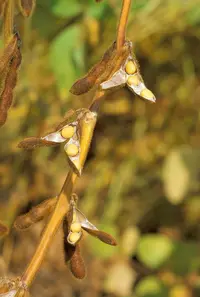
Best Soil for soybean (Glycine max)

For strong roots and steady growth, Glycine max does best in loose, well-drained soil with reliable moisture and a slightly acidic reaction.

Soil Texture

Loamy, Sandy, Clay

Soil pH

Acidic (5.5–6.5), Slightly acidic (6.5–7.0)

Soil Drainage

Moist but well-drained

Glycine max Soil Guide

Growing best in soil that stays evenly moist yet drains well, soybean prefers a loose, workable texture such as loam, sandy loam, or well-structured clay loam. This balance gives roots steady access to water, air, and minerals without staying soggy for long periods.

Glycine max was first domesticated in East Asia and is widely grown in open, sunny field conditions. Its root system grows actively through the upper soil and forms nitrogen-fixing nodules, so the best soil for soybean needs enough aeration for root and nodule function while still holding consistent moisture. Slightly acidic to acidic soil suits this growth pattern.

A simple homemade mix can give Glycine max the balance of drainage and moisture retention it needs in containers.

100% total mix = 20 scoops
15%
coarse sand3 scoops
20%
perlite or pumice4 scoops
25%
compost or aged leaf mold5 scoops
40%
high-quality potting soil8 scoops

The finished mix should feel light and slightly crumbly, stay evenly moist, and let excess water move through without becoming muddy.

A good target is 5.5–7.0 pH, with slightly acidic soil often giving the most balanced nutrient availability. In this range, key nutrients such as phosphorus, iron, and manganese stay easier for roots to access.

Soybean tolerates a fairly modest pH span, but strongly alkaline or very acidic conditions can reduce nutrient uptake and slow steady development. If growing Glycine max in a container, occasional pH checks can help keep the root zone more consistent.

Most soil issues show up gradually. With soybean, the first step is usually checking how the root zone feels and how quickly the container drains.

Compacted soil:

Compacted soil: slow drainage, a hard surface, or weak growth can point to poor air flow, so gently loosen the top layer and improve structure at the next soil change.

Waterlogged mix:

Waterlogged mix: if the soil stays heavy for days and the pot feels unusually wet, pause extra watering and confirm that excess water can leave the container freely.

Dry, shrinking soil:

Dry, shrinking soil: when the mix pulls from the pot edges, re-moisten it gradually so it can absorb evenly again instead of shedding water.

Crusted surface:

Crusted surface: a firm top layer can limit air exchange, so lightly break the crust and add a thin layer of fresh organic material on top.

Find the Right Soil

Botan helps match this plant to a more suitable soil setup based on its growing pattern and container conditions.

FAQ

Yes. Drainage holes help excess water leave the container, which keeps the root zone from staying saturated too long and supports a more stable soybean soil environment.

More Plant Soil Guides

Scan for Soil Problems

Use Botan’s photo-based assessment to check whether soil conditions may be contributing to visible stress and decide what to review next.

Botan app helping with soil and plant care
Top 15 Plants That Don’t Need Sunlight

8 min read · 17 Sept 2026

Top 15 Plants That Don’t Need Sunlight

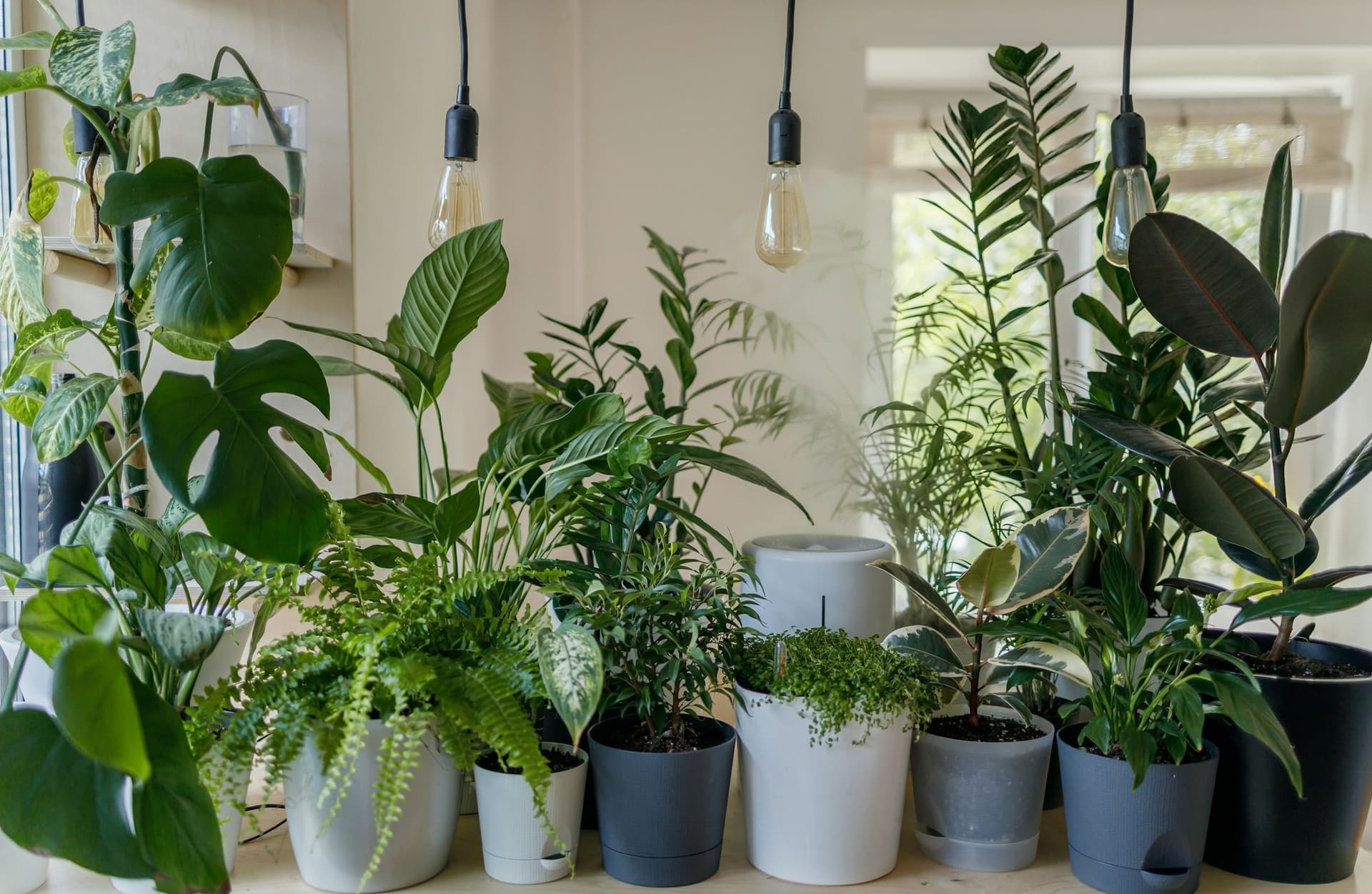
Some plants thrive in dim rooms, shaded corners, and places with indirect light. In this guide, you’ll explore the top 15 species best suited to low-light conditions and how to care for them.

Plant Recommendations
Top 15 Plants That Don’t Need Sunlight
13 Best Front Yard Trees for Every Home and Yard

12 min read · 7 Aug 2026

13 Best Front Yard Trees for Every Home and Yard

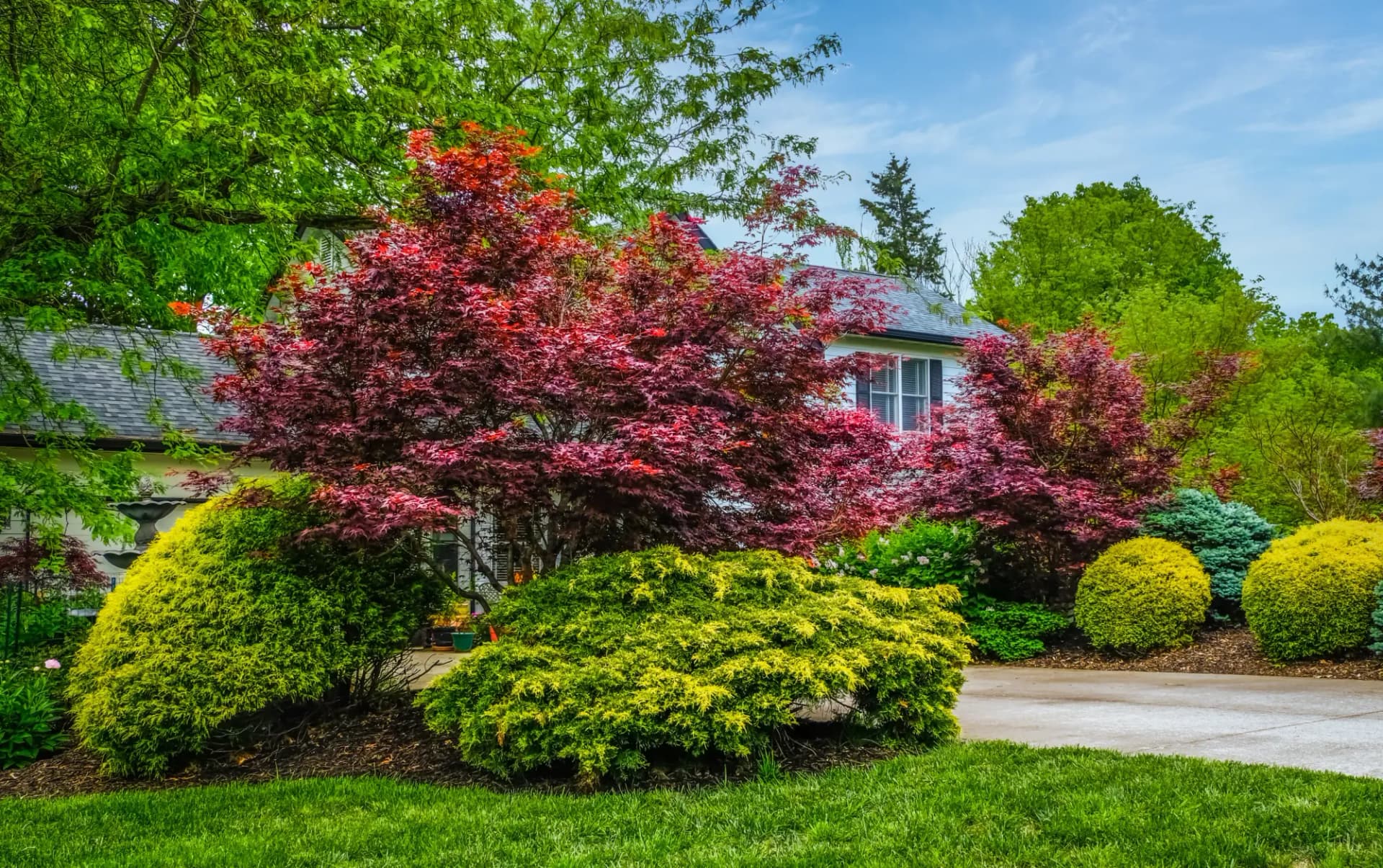
A front yard tree can stay for decades. Therefore, choosing one deserves serious consideration. Here are 13 trees that have proven themselves, sorted by their purpose. You'll also find five species to avoid and basic planting information.

Plant Recommendations
13 Best Front Yard Trees for Every Home and Yard
How to Bottom Water Plants: Complete Guide

6 min read · 13 Jul 2026

How to Bottom Water Plants: Complete Guide

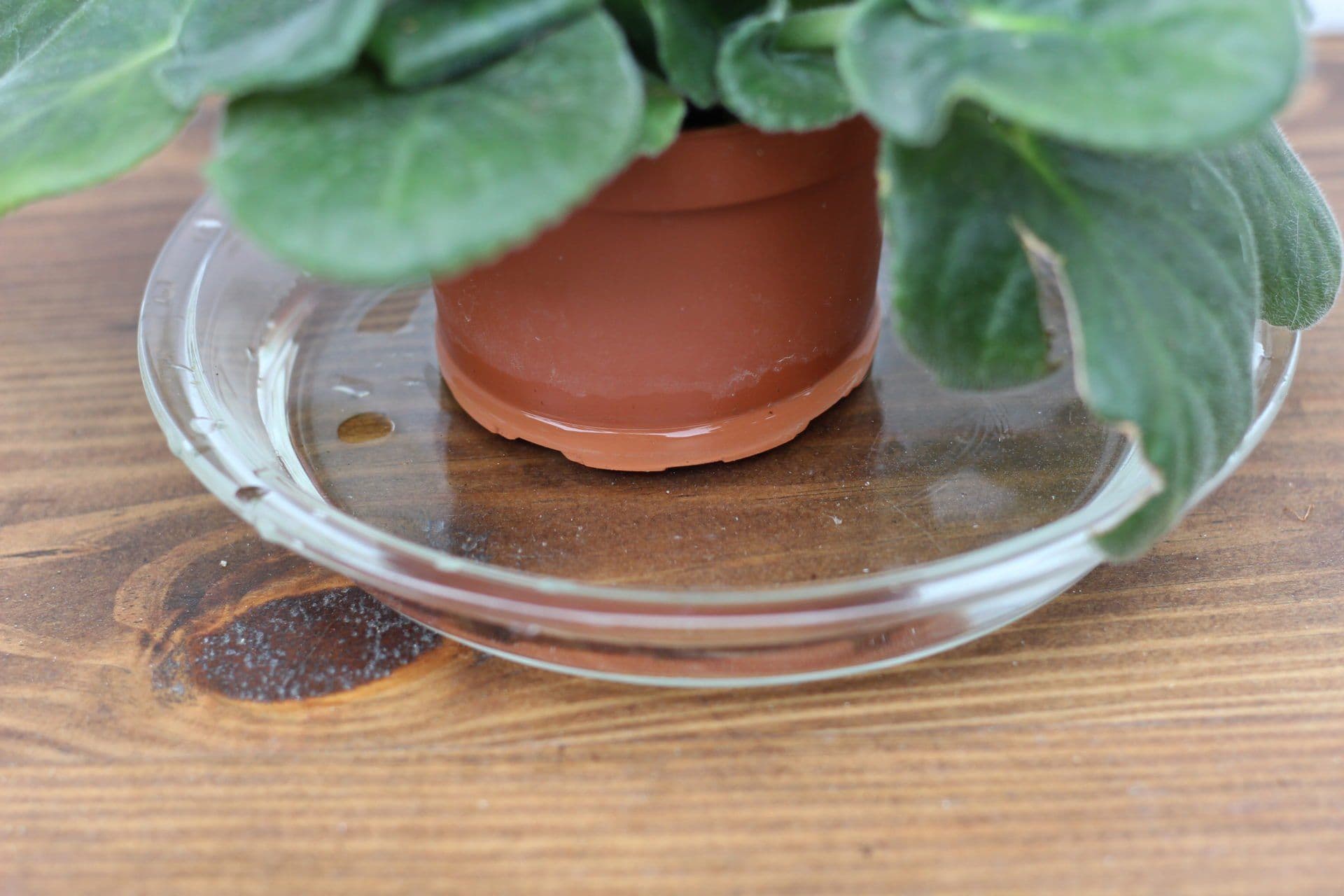
Bottom watering helps soil absorb moisture evenly and keeps foliage dry, reducing the risk of missed dry spots or root problems. Place the pot in a tray of water for a short time, then let it drain well.

Plant Care
How to Bottom Water Plants: Complete Guide