




Best Soil for goji berry (Lycium barbarum)

For Lycium barbarum, the right soil texture, drainage, and pH support steady root growth and help maintain overall plant health.

Soil Texture

Sandy, Loamy, Clay

Soil pH

Slightly acidic (6.5–7.0), Slightly alkaline (7.0–7.5)

Soil Drainage

Well-drained

Lycium barbarum Soil Guide

Native to parts of Asia, Lycium barbarum is adapted to open, sunny landscapes where water moves through the ground fairly quickly. That background explains why the best soil for goji berry is well-drained and airy rather than dense or constantly wet.

It grows in sandy, loamy, or even clay-based ground as long as drainage is good and the root zone still gets oxygen. A moderately mineral soil with some moisture-holding ability suits its woody root system, which benefits from steady access to water without staying saturated.

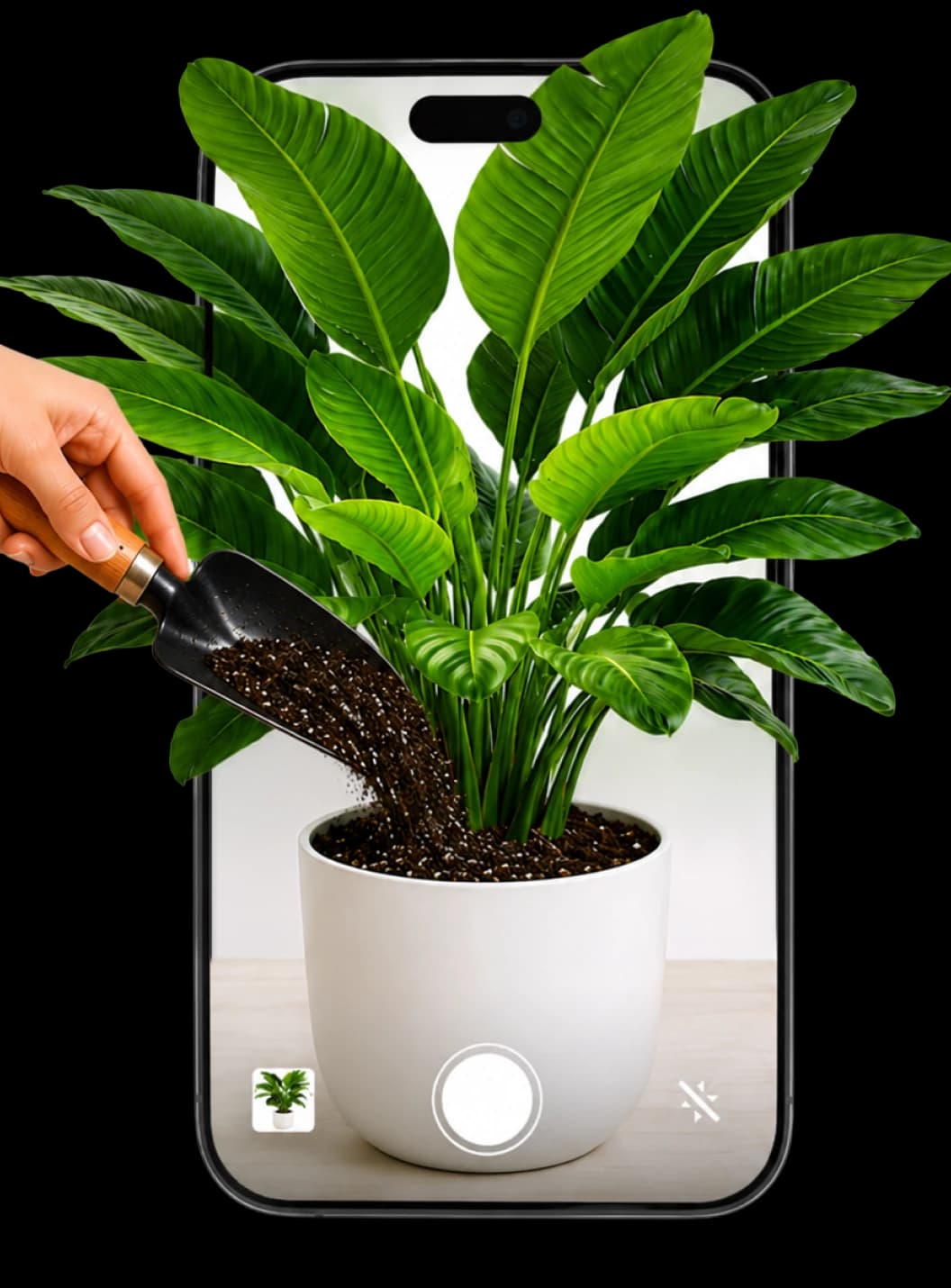
A simple homemade mix can give Lycium barbarum the balance of support, airflow, and moderate moisture retention it needs in a container.

100% total mix = 20 scoops
10%
compost2 scoops
20%
perlite or pumice4 scoops
30%
coarse sand6 scoops
40%
loam-based potting soil8 scoops

The finished blend should feel crumbly and gritty, hold together lightly when squeezed, and let excess water move through without lingering.

Most soil issues develop gradually, so early checks are useful. With Lycium barbarum, root stress is more likely when the root zone stays dense or poorly balanced for too long.

Compaction:

Compaction: Soil that feels hard, crusted, or slow to absorb water can reduce root oxygen, so gently loosen the top layer and review whether the mix has become too dense.

Waterlogging:

Waterlogging: A sour smell or soil that stays heavy for days may point to excess saturation, so let the root zone dry slightly and check that drainage is working freely.

Nutrient lockout:

Nutrient lockout: Pale new growth despite regular care can sometimes reflect an off-range pH, so test the soil before making major changes.

Salt buildup:

Salt buildup: A white crust on the surface can interfere with normal root function, so scrape it away and flush the soil thoroughly if drainage is good.

Soil Help, Fast

Botan helps compare your plant’s soil conditions with its needs, so it is easier to choose a mix that suits growth and root health.

FAQ

Usually yes. Ground soil often benefits from loosening and, if needed, adding coarse mineral material or organic matter so roots can spread more easily and excess moisture drains away instead of pooling.

Everything About matrimony vine

More Plant Soil Guides

Could It Be the Soil?

Botan can help assess whether soil may be part of the issue by comparing visible plant stress with common root-zone causes from a photo.

Botan app helping with soil and plant care
How to Mist Plants – Proper Technique and Common Mistakes

7 min read · 30 Jul 2026

How to Mist Plants – Proper Technique and Common Mistakes

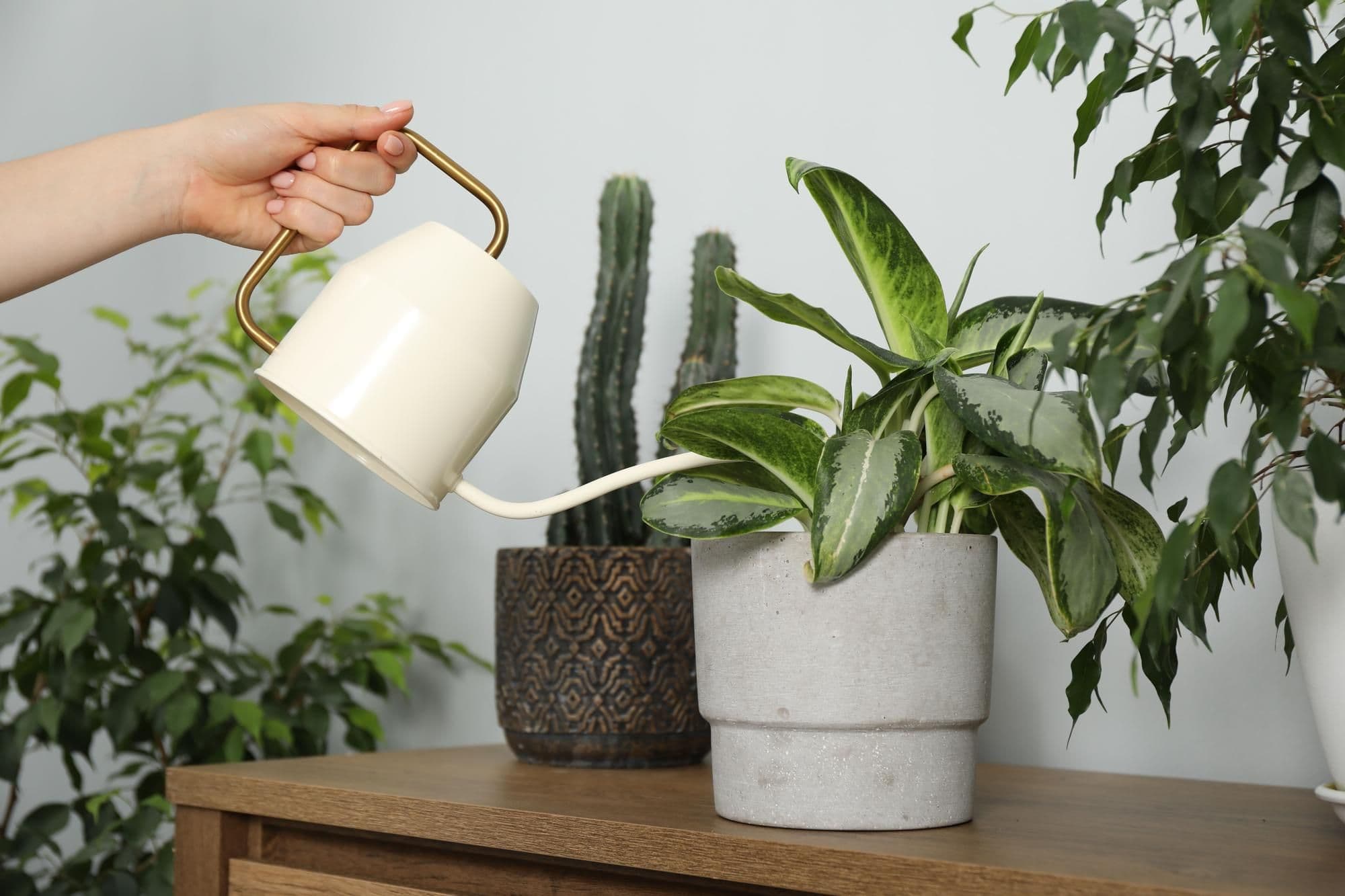
Find out when misting works well and when to avoid it. Here, you’ll find detailed information about compatible and incompatible species, tips on how often to mist plants and do it correctly, and some great alternatives for raising humidity.

Beginner Guides
How to Mist Plants – Proper Technique and Common Mistakes
How to Water Houseplants: Watering Guide

7 min read · 24 Aug 2026

How to Water Houseplants: Watering Guide

Learn how often to water indoor plants, key factors for proper watering, and how to adjust the care routine by plant type, season, pot size, light, and indoor conditions.

Plant Care
How to Water Houseplants: Watering Guide
13 Best Front Yard Trees for Every Home and Yard

12 min read · 7 Aug 2026

13 Best Front Yard Trees for Every Home and Yard

A front yard tree can stay for decades. Therefore, choosing one deserves serious consideration. Here are 13 trees that have proven themselves, sorted by their purpose. You'll also find five species to avoid and basic planting information.

Plant Recommendations
13 Best Front Yard Trees for Every Home and Yard