

matrimony vine (Lycium barbarum) Light Needs

In cultivation, goji berry grows best in full sun, with long, direct exposure through the main growing season.

Light Preference

Full Sun

Lycium barbarum Light Requirements

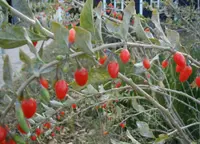
Lycium barbarum is native to parts of temperate Asia, where it grows as a woody shrub in open, dry, often disturbed habitats. These sites receive strong seasonal sunlight, with little overhead shade during the active growing season rather than shaded woodland or enclosed positions. In cultivation, that background explains its better flowering, fruiting, and denser growth in exposed sites. It prefers full sun.

  • Ideal exposure:

    goji berry needs about 6–8 hours of full sun daily, with at least 6 hours of direct sunlight for strongest flowering and fruiting.

  • Full sun tolerance:

    Established plants usually handle direct sun through the day, including afternoon sun, when acclimated outdoors.

  • Partial sun:

    It can grow with 4–6 hours of direct sun, but flowering and fruiting may be reduced.

  • Shade risk:

    Shade is not suitable; growth tends to become open and weak when direct light is limited.

Full sun is usually suitable, but sudden or intensified exposure can still cause stress.

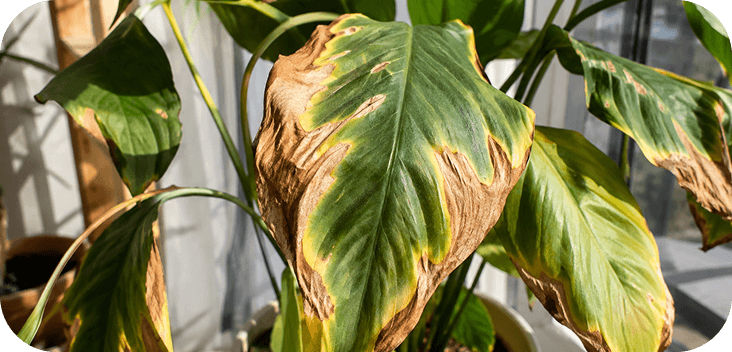
Pale dry patches:

Tan or whitish papery spots may appear on leaves facing the strongest sun, especially after a sudden move from shade.

One-sided scorch:

Damage that stays mostly on the west or south side often points to harsh afternoon exposure or reflected heat.

Dulled leaf color:

Leaves may look gray-green or faded during hot, bright periods when the canopy is exposed without acclimation.

Crisp young tips:

Tender shoot tips can dry back when bright sun is combined with high heat and no gradual transition.

Shift the plant to a site with morning sun and light afternoon protection. Reintroduce stronger sun over 7–10 days.

Low light causes weak growth before it causes obvious leaf damage.

  • Long thin shoots:

    New stems may stretch quickly, with longer gaps between leaves and a loose, open shape.

  • Leaning growth:

    Shoots may angle toward the brightest side instead of growing evenly from the shrub.

  • Poor flowering:

    Lycium barbarum may produce fewer flowers and less fruit when direct sun is limited during the growing season.

  • Small new leaves:

    Fresh growth can be smaller than normal because the plant is not receiving enough energy from light.

Move it to a brighter outdoor position with more direct sun. Increase exposure gradually if the previous spot was shaded.

If full sun is not available, choose the brightest outdoor spot with at least 4–6 hours of direct sun, preferably earlier in the day. Treat this as a compromise, not an equal substitute.

For container-grown plants, rotate the pot every 1–2 weeks so all sides receive direct light. Trim or move nearby shade sources when they block midday sun.

Avoid deep shade beside fences, dense structures, or covered patios because it will not meet Lycium barbarum light needs.

Get Personalized Care Plan

Scan your plant to receive care tips personalized for your specific plant

FAQ

The goji berry light requirements are full sun for best growth, flowering, and fruiting. Aim for strong outdoor light with several hours of direct sun during the growing season.

More Plant Light Guides

Get the Botan App

Discover how to care for your plants with Botan.

Botan app identifying a plant with a phone camera
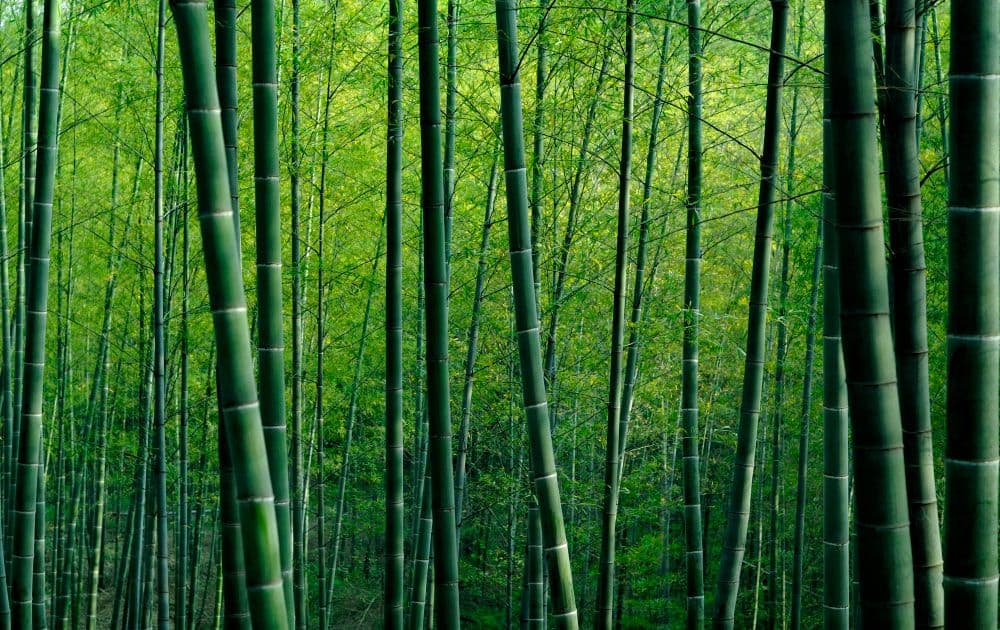
How Fast Does Bamboo Grow Per Day, Month, and Year

10 min read · 7 Jul 2026

How Fast Does Bamboo Grow Per Day, Month, and Year

Bamboo grows extremely fast: some species can reach 5-6 m in just 3-4 months under the right conditions. This guide explains how much bamboo can grow per day, week, and year, and what affects its growth rate.

Plant Recommendations
How Fast Does Bamboo Grow Per Day, Month, and Year
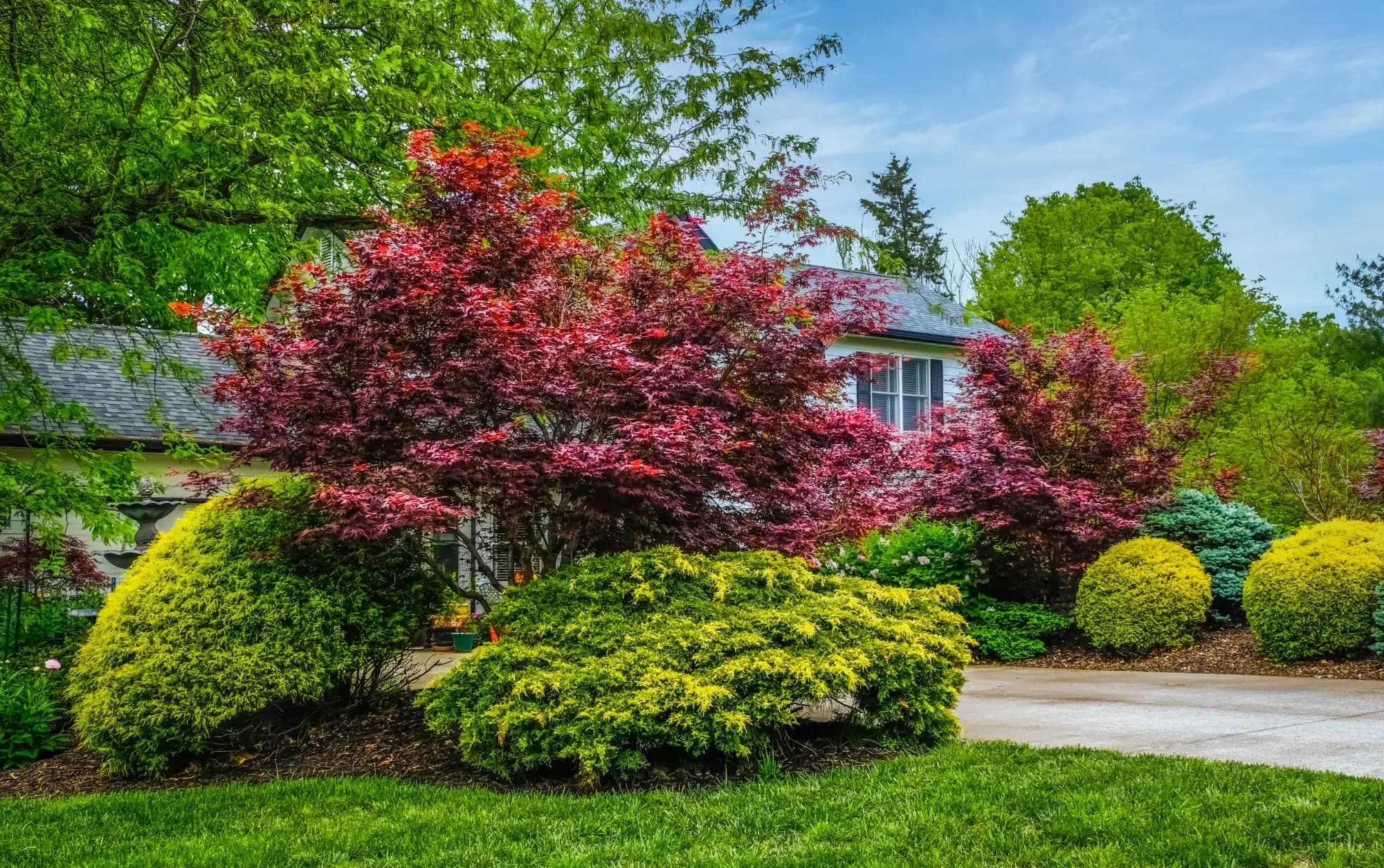
13 Best Front Yard Trees for Every Home and Yard

12 min read · 7 Aug 2026

13 Best Front Yard Trees for Every Home and Yard

A front yard tree can stay for decades. Therefore, choosing one deserves serious consideration. Here are 13 trees that have proven themselves, sorted by their purpose. You'll also find five species to avoid and basic planting information.

Plant Recommendations
13 Best Front Yard Trees for Every Home and Yard
How To Revive a Dying Plant: 6 Steps To Bring A Plant Back To Life

6 min read · 1 Sept 2026

How To Revive a Dying Plant: 6 Steps To Bring A Plant Back To Life

Drooping leaves and brown tips don't always mean the end, and a weakened plant can often recover with a little help. These six simple steps will help you revive a dying plant and restore its health.

Plant Care
How To Revive a Dying Plant: 6 Steps To Bring A Plant Back To Life