





miro (Pectinopitys ferruginea) Light Needs

miro grows best in partial shade to filtered light, with some gentle direct sun tolerated.

Light Preference

Partial Shade

Pectinopitys ferruginea Light Requirements

In its native New Zealand forests, miro grows as a long-lived podocarp in mixed forest where young plants often start under broken canopy light. Mature trees can reach brighter openings and receive more direct sun, but seedlings and smaller specimens are adapted to filtered light and partial shade. In cultivation, that pattern supports steady growth in bright filtered light with protection from the harshest sun. Preferred light is partial shade.

  • Ideal exposure:

    miro needs about 5–8 hours of bright filtered light daily, including 2–4 hours of gentle direct morning sun.

  • Full sun tolerance:

    Established outdoor plants can tolerate full sun in mild conditions, but sudden harsh afternoon exposure can stress foliage.

  • Shade tolerance:

    It can grow in shade, though dense shade usually produces slower, more open growth.

  • Afternoon sun:

    In hot sites, give shade during the strongest part of the day.

Strong sun stress usually appears on the most exposed side first.

Bronzed foliage:

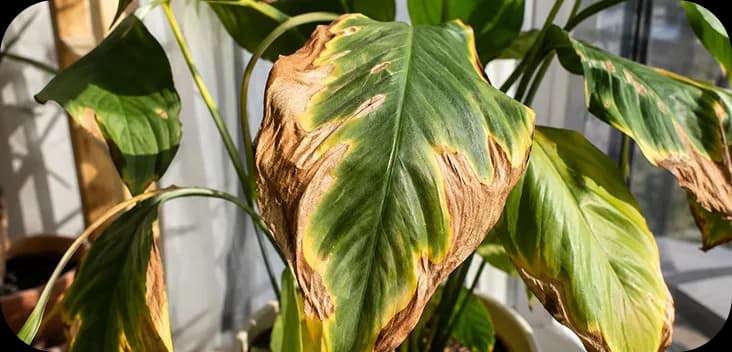
Needles or narrow leaves may look dull bronze or washed out after sudden exposure to hot, direct sun.

Sun-facing scorch:

Tan to brown patches are most likely on the outer, upper foliage that receives afternoon sun.

Crisp new tips:

Tender new growth may dry at the tips when bright sun and heat increase faster than the plant can adjust.

Uneven canopy color:

Shaded interior foliage often stays greener, while exposed outer sprays look paler or more faded.

Move Pectinopitys ferruginea to partial shade, or filter the strongest midday and afternoon sun. Increase brighter exposure gradually over 1–2 weeks if a sunnier site is needed.

Low light stress develops slowly because this species can tolerate shade. Problems are more likely in deep, constant shade than in light woodland shade.

  • Open growth:

    New shoots may lengthen with wider spacing, giving the plant a thinner outline than expected.

  • Leaning habit:

    Branches may angle toward the brightest opening instead of growing evenly around the plant.

  • Small new leaves:

    Fresh growth may be shorter and less dense during the active season.

  • Slow establishment:

    A young plant may remain weak and sparse when shade is too dense for steady root and shoot growth.

Shift Pectinopitys ferruginea to brighter filtered light or a site with morning sun. Avoid moving it straight from deep shade into hot afternoon sun.

Choose bright filtered light or morning sun with afternoon shade when the ideal exposure is not available. Use nearby structures or light canopy cover to soften hot midday sun instead of placing the plant in exposed heat.

Rotate container-grown specimens every few weeks so all sides receive similar light. Check the brightest side after heat waves and add temporary shade if foliage starts to bronze.

Deep shade under dense cover is a poor setup because it reduces dense new growth.

Get Personalized Care Plan

Scan your plant to receive care tips personalized for your specific plant

FAQ

The miro light requirements are bright filtered light to partial shade, with gentle morning sun helpful. This plant also tolerates shade and established outdoor sun when acclimated.

More Plant Light Guides

Get the Botan App

Discover how to care for your plants with Botan.

Botan app identifying a plant with a phone camera
How to Winterize Your Garden in 6 Steps

5 min read · 28 Sept 2026

How to Winterize Your Garden in 6 Steps

Learn how to prepare your garden for winter with a practical six-step checklist covering cleanup, tender plant care, watering, mulching, winter protection, and winterizing equipment and containers.

Plant Care
How to Winterize Your Garden in 6 Steps
Can Plants Grow With Artificial Light?

6 min read · 15 Sept 2026

Can Plants Grow With Artificial Light?

Plants can grow under artificial light when the setup provides a suitable spectrum, enough intensity, and sufficient daily exposure. This guide explains how artificial lighting compares with sunlight, which options work indoors, and how to match a setup to houseplants.

Plant Care
Can Plants Grow With Artificial Light?
How To Revive a Dying Plant: 6 Steps To Bring A Plant Back To Life

6 min read · 1 Sept 2026

How To Revive a Dying Plant: 6 Steps To Bring A Plant Back To Life

Drooping leaves and brown tips don't always mean the end, and a weakened plant can often recover with a little help. These six simple steps will help you revive a dying plant and restore its health.

Plant Care
How To Revive a Dying Plant: 6 Steps To Bring A Plant Back To Life