


7 min read · 6 Aug 2026
Planting Grass Seed in Summer – What Works and What Fails
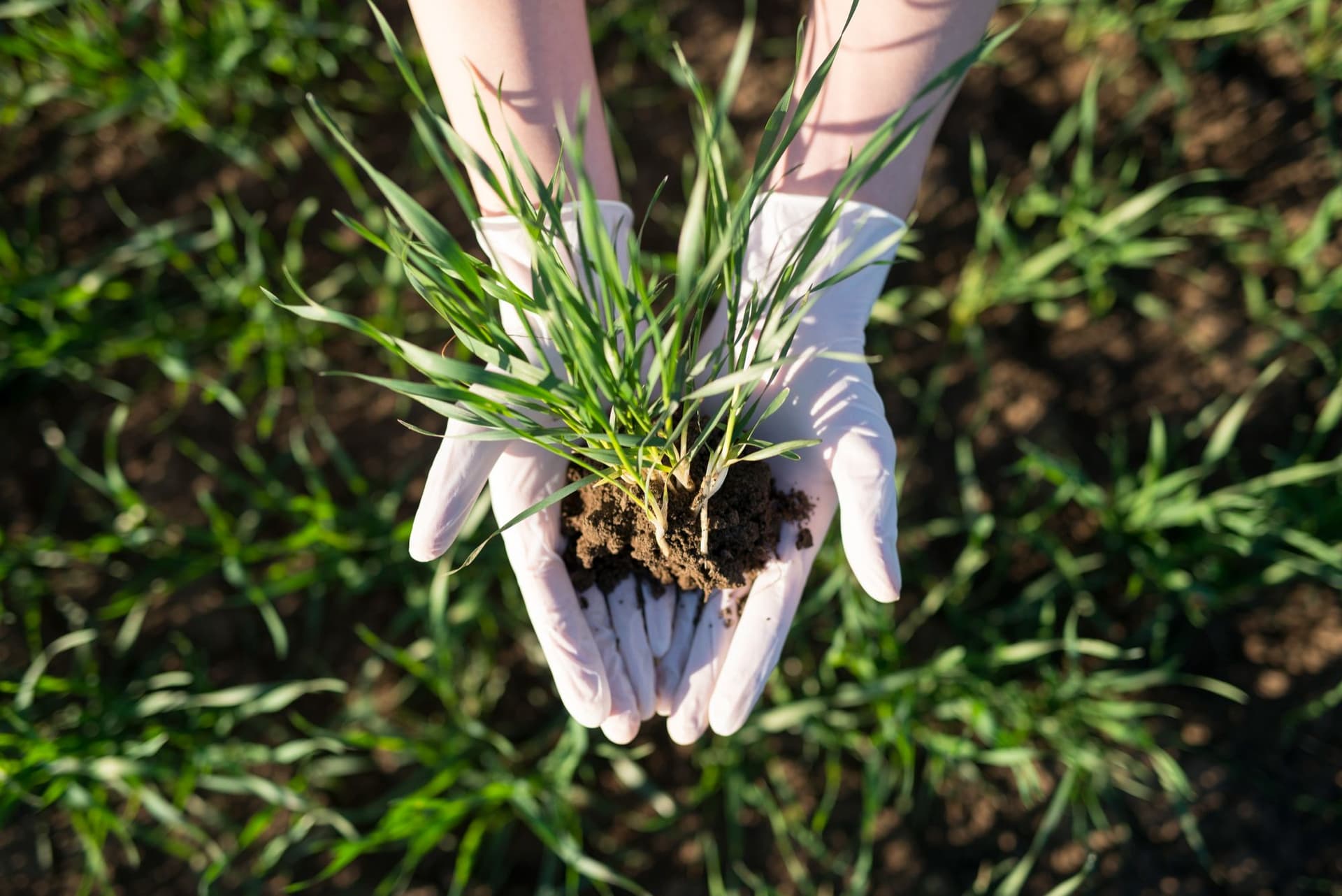
Summer seeding succeeds when the grass type suits the season, and the soil stays moist. Find out how to prepare the seedbed and choose a safe window for planting.

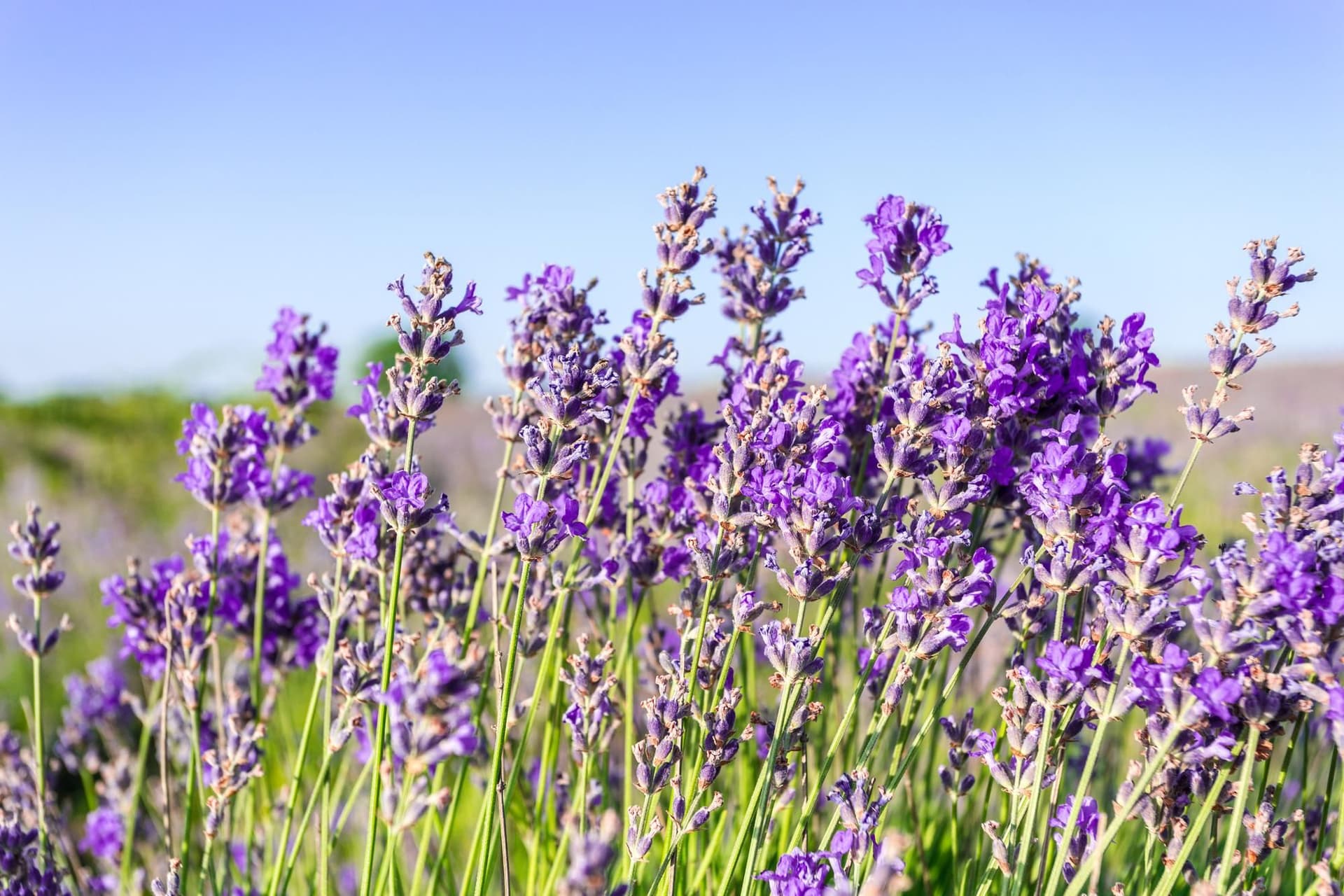
Lavender grows best in full sun, with long daily direct exposure and minimal shade through the growing season.

Light Preference
Full Sun

Lavandula x intermedia types are cultivated lavenders adapted to open, sunny, dry-summer conditions with strong air movement. In these exposed settings, plants receive long hours of direct sun rather than forest shade or filtered light.
That background explains why garden performance declines in shade, especially flowering and compact growth. This hybrid is commonly grown where summer light is intense and rainfall is limited. Lavender prefers full sun.
Lavender needs about 6–8+ hours of full sun daily, with at least 6 hours of direct sunlight for best flowering.
Established plants tolerate long direct exposure, including afternoon sun, when air movement is good and heat is not trapped around the foliage.
Shade or bright indirect light alone is not enough for dense growth or reliable bloom production.
Morning sun is useful in cooler or humid areas because it dries foliage early while still building total daily exposure.
Full sun is preferred, but abrupt or intensified exposure can still cause stress.
Pale tan or gray areas may appear on the most exposed leaves after a sudden move into stronger sun.
Outer tips can look dry and brittle where heat reflects from walls, pavement, or metal containers.
Flowers may fade faster than usual during hot spells with intense afternoon exposure.
Damage that appears mostly on the sun-facing side points to light and heat intensity.
Move containers away from reflective surfaces, or shift them to a spot with morning sun and open airflow. Increase stronger exposure gradually after nursery, indoor, or shaded conditions.
Low light most often shows up as weak shape and reduced flowering. Lavandula x intermedia 'Provence' does not adapt well to shade.
New shoots may grow long, thin, and widely spaced as they reach for stronger sun.
A plant may angle toward the brightest side instead of staying evenly upright.
Blooming can be sparse or delayed when daily direct sun is too short.
Fresh shoots may stay short, soft, or sparse during the active growing season.
Move it to a full-sun position, aiming for 6–8+ hours of daily exposure. Avoid locations shaded for most of the day.
If ideal exposure is not available, choose the site with the longest direct sun, especially from morning through midday. Treat half-day sun as a compromise, not an equal substitute.
Improve exposure by moving containers away from fences, walls, or overhanging branches that block sun. Rotate pots every 1–2 weeks if one side receives noticeably more light.
A shaded porch or interior room is unsuitable because it cannot meet Lavandula x intermedia 'Provence' light needs.

Plant Light Guide
Find the ideal light conditions for your plant and support healthy growth
Scan your plant to receive care tips personalized for your specific plant
The best light for Lavender is full sun, with about 6–8+ hours of direct sun on most days. Strong light supports compact growth, aromatic foliage, and normal flowering.
Discover how to care for your plants with Botan.


7 min read · 6 Aug 2026
Summer seeding succeeds when the grass type suits the season, and the soil stays moist. Find out how to prepare the seedbed and choose a safe window for planting.

8 min read · 24 Jul 2026
Spiders constantly appear in places you don't want them. A few common plants can help repel them using scent alone. Here are 12 options suitable for both indoors and outdoors, plus care tips for each.

12 min read · 16 Jul 2026
Mosquitoes on the patio? Gnats in the kitchen? Some plants keep them away with the scent of their own leaves. Here are 20 that deal with mosquitoes, flies, aphids, and more, plus where to put them so they help.