


5 min read · 11 Sept 2026
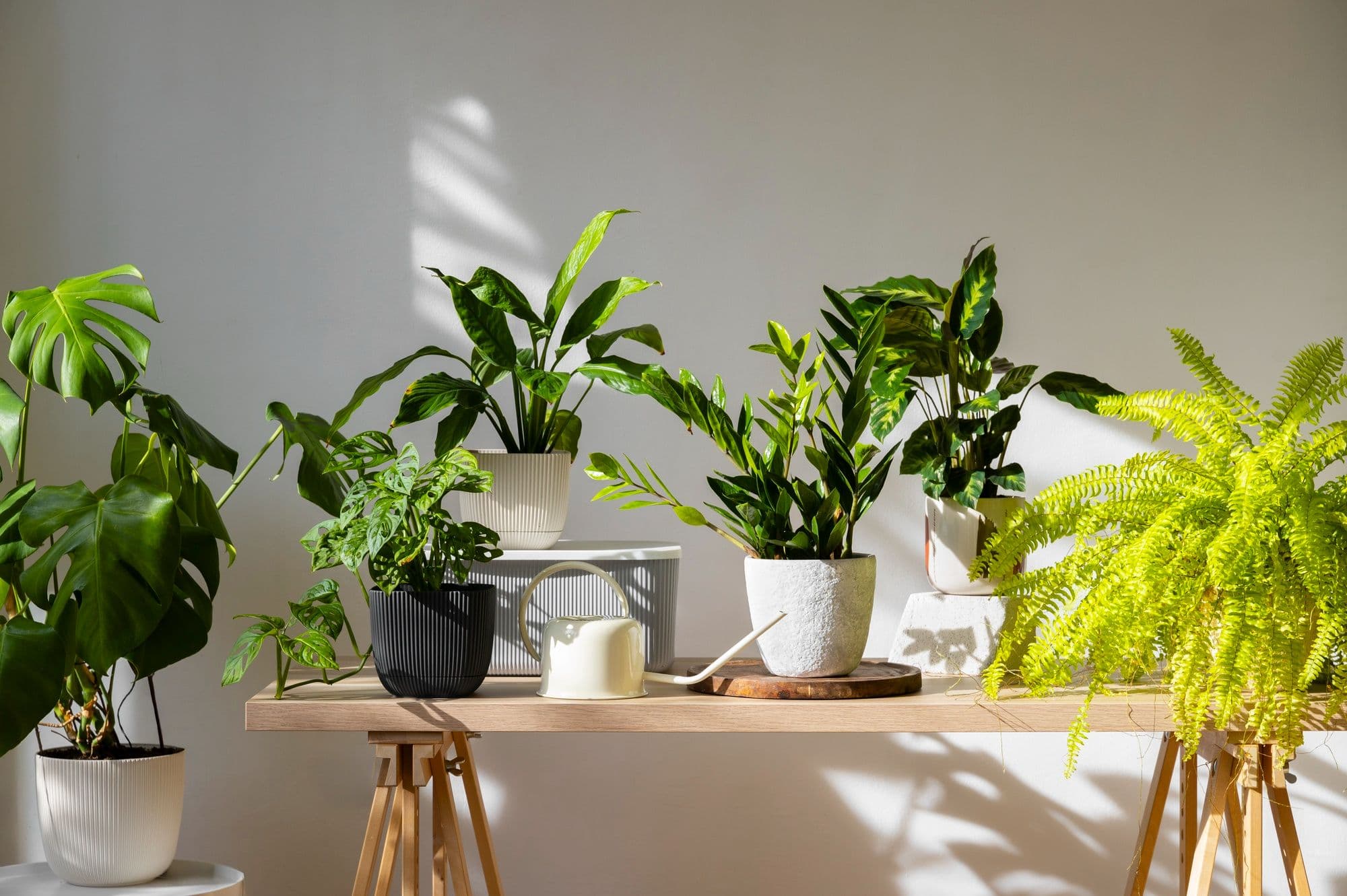
Top 5 Best Indoor Plants for Air Quality
Indoor plants can make a room feel fresher thanks to their air-purifying qualities. Here are 5 of the most suitable choices for your routine and living space.
Plant Recommendations

This page outlines when, how often, and how much to water Lavender in straightforward, practical terms.

Water Requirements
Low Water
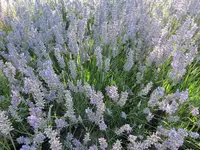
Originating from dry Mediterranean climates, Lavandula x intermedia 'Provence' is adapted to lean, low-moisture conditions. It dislikes constantly damp soil and performs best when the surface dries between watering sessions.
For watering Lavender outdoors, think of infrequent, moderate moisture that follows natural rainfall patterns. Container plants usually need closer attention than in-ground plantings, but the basic goal is still brief drying between thorough drinks.
Water when the top 1–2 inches (3–5 cm) of soil are completely dry. Lavandula x intermedia 'Provence' in containers typically needs water about every 7–14 days in warm, bright conditions, with longer gaps in cool seasons. In very hot, windy outdoor sites, intervals may shorten noticeably.
Water Lavender when the top 2 inches of soil feel dry, using a deep, directed soak that drains freely.
Improper moisture around Lavandula x intermedia 'Provence' gradually weakens growth and encourages avoidable stress.
Older leaves turn pale and drop as persistently wet soil limits oxygen around delicate roots.
Stems and leaves droop while soil feels moist due to root suffocation and decay.
Sparse, hardened tips develop when watering stays heavy, discouraging deep, drought-resilient root development.
Roots appear discolored and soft where compacted, poorly drained soil holds water for extended periods.
Foliage browns and curls when infrequent deep watering and intense sun leave roots overly dry.
Keep soil fast-draining, water deeply but rarely, and let the root zone dry between soakings.
Unsuitable watering habits can stress Lavandula x intermedia 'Provence', reducing fragrance, flowering, and long-term vigor in pots or garden beds.
Aim for brief soak-and-dry cycles in a sharply draining setup, adjusting watering to actual dryness, light, and container size.
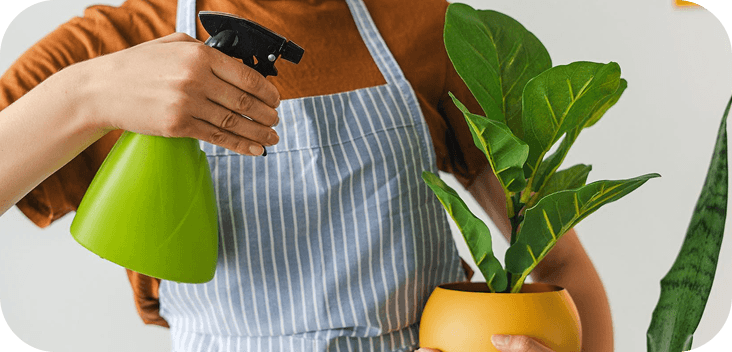
Plant Water Guide
Learn how much water your plant needs and keep its routine on track
Use Botan for a simple watering guide and care steps tailored to Lavandula x intermedia 'Provence', plus gentle photo-based checks that help spot early leaf, stem, or soil problems.
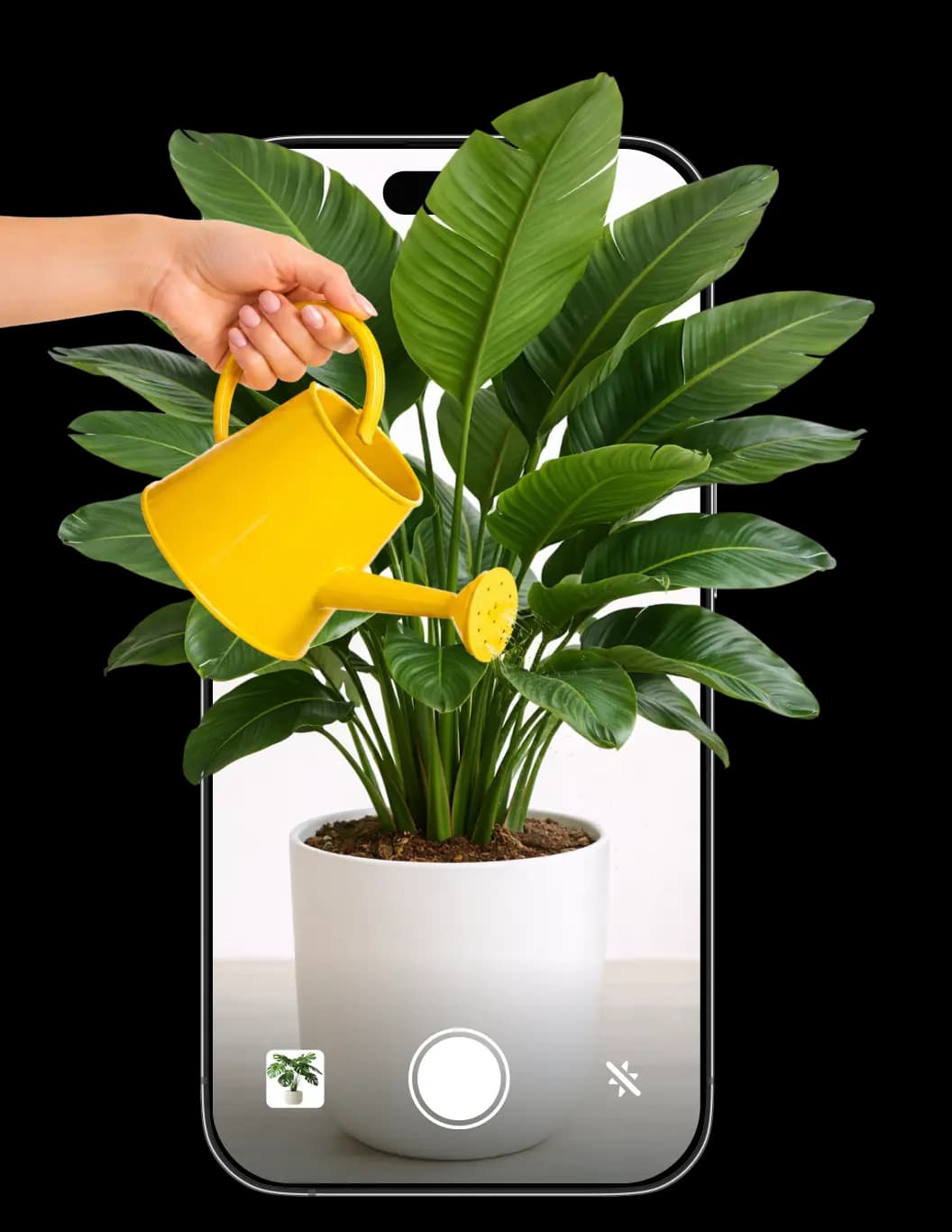
Let the root zone dry almost completely, then resume light, infrequent watering. Improve drainage by using a gritty mix and a pot with large holes. Trim rotten roots and remove soggy mulch or saucers.
Botan reviews your watering pattern and highlights when adjustments may be helpful.
5 min read · 11 Sept 2026
Indoor plants can make a room feel fresher thanks to their air-purifying qualities. Here are 5 of the most suitable choices for your routine and living space.
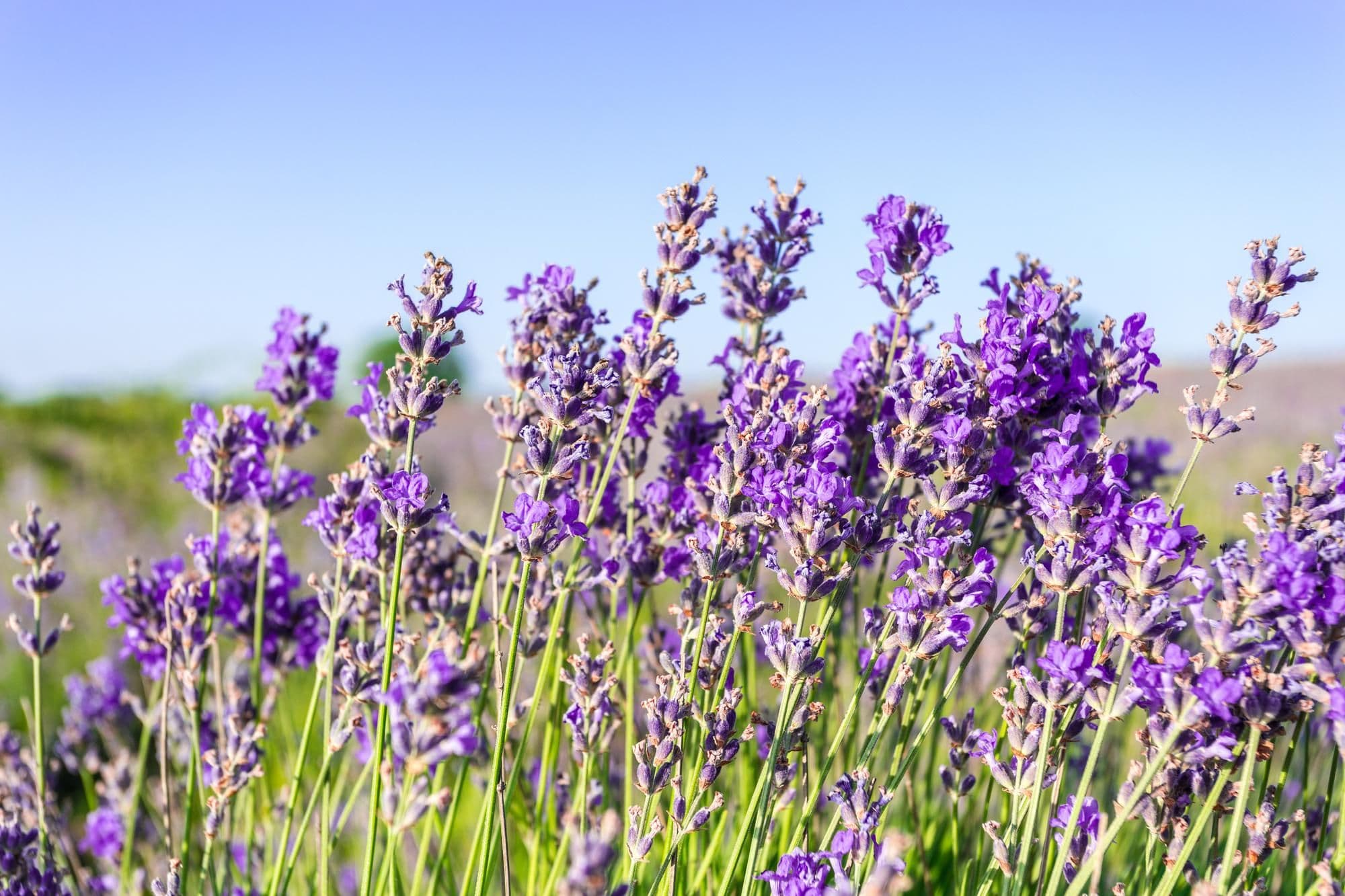
8 min read · 24 Jul 2026
Spiders constantly appear in places you don't want them. A few common plants can help repel them using scent alone. Here are 12 options suitable for both indoors and outdoors, plus care tips for each.
9 min read · 17 Jul 2026
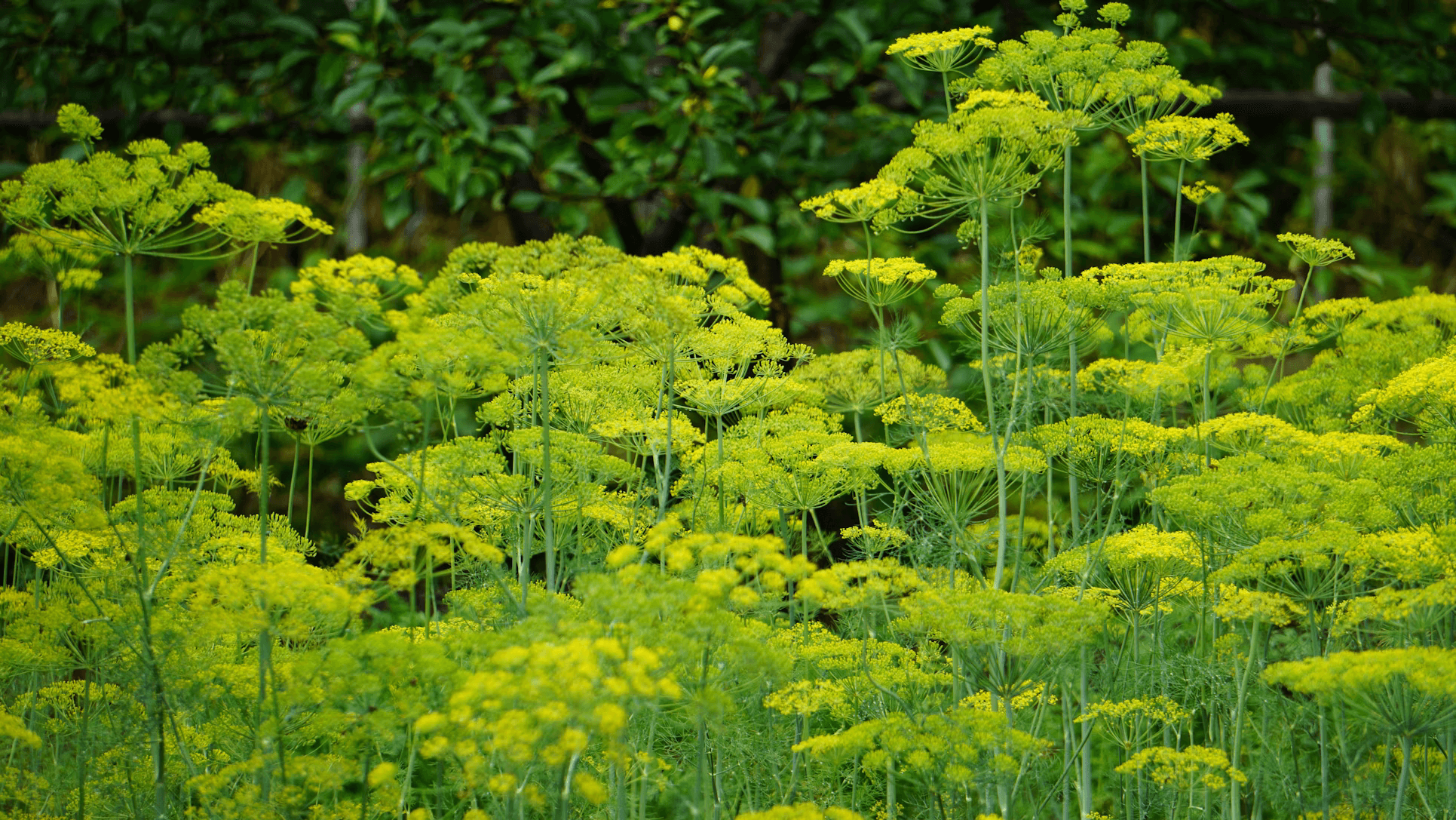
Dill is an easy-to-grow plant that gets along well with many vegetables. This guide describes 15 plants that can be planted alongside it, a few to avoid, and mistakes that can quietly sabotage the entire process.