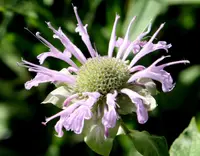
Prefers winter‑wet soils
In its native European woodlands, Convallaria majalis often grows where soils are moist to wet in late winter and spring, then gradually dry out in summer, mirroring snowmelt and seasonal rain patterns.

This page explains when, how often, and how much to water Convallaria majalis for steady, healthy growth.

Water Requirements
Regular Water

This shade-loving perennial thrives in cool, humus-rich woodland areas with naturally moist, never soggy, soil. Convallaria majalis prefers steady, gentle moisture that reflects its forest-floor habitat, not alternating extremes.
In the ground, watering Lily-of-the-valley focuses on maintaining broadly consistent dampness; containers dry faster and need closer attention. This section outlines how to water Lily-of-the-valley in simple terms before moving into situation-specific guidance.
Water when the top 1–2 inches (3–5 cm) of soil feel slightly dry, keeping the root zone evenly moist but not soggy. This typically means watering about every few days outdoors in warm weather and less often in cool, shaded spots. In containers, expect somewhat more frequent watering than in-ground plantings.
Water Lily-of-the-valley when the top 1 inch (2–3 cm) of soil feels dry, keeping moisture steady but not saturated.
Incorrect moisture levels may stress Convallaria majalis, leading to growth decline and health problems.
Lower leaves fade to pale yellow when soil stays soggy, indicating oxygen-starved roots and nutrient imbalance.
Leaf tips dry and brown when soil swings between very wet and very dry conditions.
Underground stems feel soft and smell sour after prolonged saturation, signalling destructive fungal rot development.
Few or no bells appear when soil is either chronically dry or heavily waterlogged in spring.
Keep soil consistently moist and cool, avoiding prolonged drought or standing water around the shallow roots.
Unsuitable watering habits disturb the cool, evenly moist conditions Convallaria majalis prefers and can slowly weaken plants in shade gardens.
Aim for soil that drains freely yet never dries out completely, adjusting watering to shade, rainfall, and container or ground conditions.

Plant Water Guide
Learn how much water your plant needs and keep its routine on track
Use Botan for a clear watering guide and practical care steps for Convallaria majalis, plus gentle photo-based checkups that can highlight early signs of stress or emerging plant problems.

In its native European woodlands, Convallaria majalis often grows where soils are moist to wet in late winter and spring, then gradually dry out in summer, mirroring snowmelt and seasonal rain patterns.
Rhizomes and fibrous roots of Convallaria majalis can withstand short periods of waterlogged soil in spring, which helps it occupy moist woodland hollows that stay saturated after snowmelt.
Convallaria majalis often enters partial dormancy as upper soils dry in mid‑ to late summer, allowing underground rhizomes to survive moderate drought while foliage thins or dies back until moisture returns.
Water when the top 1 inch (2–3 cm) of soil feels slightly dry, soaking the root zone evenly. Use room-temperature water and avoid wetting leaves for indoor pots to limit fungal problems.
Use Botan to review watering patterns and see if moisture levels stay on track.
5 min read · 28 Sept 2026
Learn how to prepare your garden for winter with a practical six-step checklist covering cleanup, tender plant care, watering, mulching, winter protection, and winterizing equipment and containers.
7 min read · 11 Aug 2026
Irrigation needs change as roots establish and weather shifts. This guide gives practical starting intervals, explains how soil and tree type change them, and shows how to recognize both excess moisture and drought stress.
6 min read · 18 Aug 2026
The right fertilizer in summer can make a lawn thrive. The wrong one can damage it. Here, you’ll learn the best NPK ratios by grass type, when and how to apply your formula, and how to recognize the signs of over- or under-fertilizing.