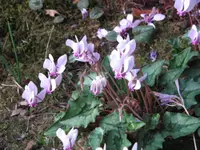


Lily-of-the-valley Care (Convallaria majalis)

Also known as: European lily of the valley, lily of the valley, May Lily
Lily-of-the-valley

About Lily-of-the-valley

Lily-of-the-valley (Convallaria majalis) is a low-growing perennial known for its nodding white, bell-shaped flowers and strong, sweet fragrance. It spreads by underground rhizomes and often forms dense groundcover in shaded areas.

In nature it occurs in cool woodlands and forest edges across Europe and parts of Asia, and has been widely planted in North America. Once established, it is fairly resilient, but its spreading habit can make it invasive in small beds.

It prefers partial shade, consistently moist but not soggy soil, and cool conditions, which can guide how to care for Lily-of-the-valley in home gardens.

Main Plant Requirements

Care Difficulty

Easy Care

Light Preference

Partial Shade

Water Requirements

Regular Water

Temperature Preference

Cold Hardy

Hardiness Zone

3–8

Soil Texture

Loamy, Silty, Organic-rich

Soil pH

Acidic (5.5–6.5), Slightly acidic (6.5–7.0)

Soil Drainage

Moist but well-drained

Fertilization

Minimal (feed rarely)

Get Personalized Care Plan

Scan your plant to receive care tips personalized for your specific plant

Available on iOS and Android

How to Care for the Lily-of-the-valley

Convallaria majalis prefers cool, shaded sites that mimic woodland edges.

  • Provide dappled or light shade with 2–4 hours of gentle morning sun; avoid strong afternoon sun to prevent leaf scorch.
  • Plant where it receives filtered light under deciduous trees; in very hot summers, give deeper shade from June to August.
  • In dense shade, flowering of Lily-of-the-valley may decline; move clumps to slightly brighter partial shade for better blooms.

This woodland perennial prefers consistently moist, cool soil without waterlogging.

  • In the ground, let the top 2–3 cm of soil dry slightly, then water deeply so moisture reaches the root zone, especially during dry spells.
  • Use rich, well-drained soil with added organic matter so water drains within a few minutes but the soil stays evenly damp.
  • Reduce watering in fall and winter as growth slows; wilting, crisp leaf edges, and shrinking clumps signal underwatering, while yellowing, mushy crowns suggest overwatering.

This hardy perennial thrives in cool to mild climates with distinct winters.

  • Active growth is strongest around 55–70°F (13–21°C); foliage may scorch or decline in prolonged heat above 85°F (29°C) without shade and moisture.
  • Dormant rhizomes tolerate cold down to about -20°F (-29°C) under mulch or snow cover, making outdoor overwintering reliable in many climates.
  • Cold winters with 35–45°F (2–7°C) soil help trigger strong spring flowering, while sudden late frosts can damage emerging shoots, so light mulch in early spring is helpful.

This species prefers moderately moist air but usually adapts to typical household humidity.

  • Aim for 40–60% humidity, especially in heated homes that tend to dry the air.
  • Dry air stress shows as brown, crispy leaf tips and edges on Lily-of-the-valley.
  • Increase humidity with a nearby pebble tray, grouping plants together, or using a small room humidifier.

This woodland perennial prefers moist, loose, organic-rich soil that still drains freely.

  • Use a loamy mix with high organic matter, such as garden loam blended with compost or leaf mold.
  • Ensure drainage by incorporating coarse sand or fine bark to prevent waterlogged roots in Convallaria majalis.
  • Aim for slightly acidic to neutral pH around 6.0–7.0, avoiding strongly alkaline or salty soils.
  • Improve aeration by loosening compacted ground and working in fibrous materials that keep tiny air pockets around the roots.

This species can grow acceptably in containers when depth and moisture balance are managed carefully.

  • Choose a pot at least 20–25 cm deep so the creeping rhizomes can spread without crowding too quickly.
  • Select a heavier clay or ceramic pot outdoors to keep the shallow root system stable and prevent tipping as clumps thicken.
  • Water thoroughly, then drain off saucers promptly because standing water around the pot base promotes root rot in dense rhizome masses.

This woodland perennial needs modest feeding, as Lily-of-the-valley naturally grows in humus-rich soils.

  • Apply a light layer of compost or leaf mold in early spring to mimic forest soil conditions.
  • Use a balanced, slow-release fertilizer (for example, 10-10-10) at half strength once in spring if growth appears weak.
  • Avoid repeated summer feeding; excess nutrients reduce flowering and increase leafiness.
  • Do not fertilize dormant clumps in fall and winter, as nutrients will not be taken up effectively.

Convallaria majalis requires minimal pruning, mainly to maintain tidiness and reduce disease risk.

  • In late spring or early summer, remove spent flower stalks at the base to keep the planting neat.
  • Cut yellowing or diseased leaves at soil level with clean, sharp scissors or hand pruners.
  • Thin out small patches by removing weak or crowded shoots to improve air flow and foliage quality.

This species is usually grown in the ground, so care focuses on dividing and transplanting established clumps.

  • Plan transplanting for early spring or early fall when growth is slow and temperatures are mild.
  • Lift crowded clumps every 3–5 years, especially if flowering declines or growth looks congested.
  • Gently tease apart rhizomes, keeping several buds and healthy roots on each division to limit stress.
  • Replant rhizomes at the same depth, water thoroughly, and shade lightly for 1–2 weeks while they re-establish.

This plant is most commonly propagated by division of its spreading rhizomes rather than by seed.

  • Divide mature clumps in early spring or early fall when soil is moist and cool.
  • Lift a section, then separate rhizomes by hand or with a clean knife, each with at least 1–2 growing tips.
  • Replant divisions in loose, humus-rich soil, spacing 10–15 cm apart for good coverage.
  • Water well after planting and keep the soil evenly moist until new shoots are clearly established.

Convallaria majalis is cold hardy in most temperate climates and usually needs little specific winter care.

  • Tolerates freezing temperatures once established, with foliage naturally dying back after frost.
  • Apply a 2–5 cm mulch layer of leaves or compost in late fall to buffer freeze–thaw cycles.
  • For container plants, move pots into a sheltered, unheated area to prevent root damage from repeated hard freezes.

Care Tips

Control Spreading Rhizomes

Install a 15–20 cm deep root barrier or plant in sunken nursery pots without drainage holes cut out to contain rhizomes and prevent the colony from invading nearby beds or lawns.

Divide For Vigor

Lift and divide dense clumps every 3–5 years in early fall or very early spring, replanting the fattest, budded pips at the same depth to maintain strong flowering and reduce overcrowding.

Use Leaf-Mold Mulch

Top-dress annually with 2–5 cm of shredded leaf mold or composted bark to mimic woodland litter, moderating soil temperature and supporting beneficial soil organisms.

Manage Summer Dieback

Allow foliage to yellow and die back naturally after flowering, then mark clump locations with discreet labels or stones to avoid accidentally digging into the dormant crowns later in the season.

Check For Crown Rot

In poorly drained spots, periodically probe around crowns for soft, foul-smelling tissue and remove affected pips, then slightly raise the planting area or add grit to improve aeration as part of caring for Lily-of-the-valley.

Common Pests and Diseases

Leaf spot

This disease causes small water-soaked or tan lesions on leaves that may merge into larger brown patches and lead to premature yellowing. Symptoms include more severe damage in dense, shaded, and poorly ventilated plantings.

Solution

Remove and dispose of affected leaves, avoid overhead watering, and thin or divide crowded clumps to improve airflow. If recurring, apply a labeled ornamental fungicide in early spring and keep foliage as dry as practical to support Convallaria majalis care instructions in the long term.

Gray mold (Botrytis)

This disease produces soft, brown, collapsing areas on leaves and flower stalks that may develop a fuzzy gray mold, especially in cool, damp weather. Symptoms include blighted flower stems and rapidly decaying tissue in thick groundcover patches.

Solution

Promptly cut and remove all infected tissue and any spent flower stalks, and clear away dead leaves from the soil surface. Improve air circulation, water at soil level in the morning only, and in severe or repeated cases use a suitable ornamental fungicide during prolonged wet periods.

Slugs and snails

These pests chew irregular holes in leaves and can skeletonize young shoots, often leaving slime trails on or around the plants. Damage is usually worse in moist, shaded sites and during cool, wet seasons.

Solution

Hand-pick slugs and snails in the evening, reduce hiding places such as dense debris, and use barriers like copper tape or diatomaceous earth around prized clumps. Where damage is heavy, apply iron phosphate slug bait according to label directions, keeping it away from children and pets.

Lily beetle

This pest feeds on leaves, buds, and flowers, creating ragged holes and sometimes stripping foliage. These insects are bright red adults, while larvae are usually covered in their own dark excrement, making them easy to overlook at first glance.

Solution

Inspect plants frequently in spring and summer, hand-crush or remove adults, eggs, and larvae, and discard them in soapy water. If populations build up, use a targeted insecticide such as neem oil or a labeled systemic product, applying thoroughly to the foliage while avoiding contact with open blooms to protect pollinators.

Southern blight

This disease causes sudden wilting and collapse of shoots, often at soil level, with white fungal threads and small tan to reddish sclerotia on the crown area. Symptoms include rapid decline of individual clumps while nearby plants may still appear healthy.

Solution

Remove and destroy affected plants including as much crown and root material as possible, and discard contaminated mulch or topsoil rather than composting it. Avoid overwatering, improve soil drainage, and if the problem persists, avoid replanting lily-of-the-valley in the same spot for several years or use raised beds with fresh, clean soil.

Interesting Facts

Specialized forest niche

This species naturally grows in cool, deciduous woodlands of Europe and parts of Asia, thriving in humus-rich, slightly moist soils under partial shade where tree canopies filter the light.

Clonal carpet former

Convallaria majalis spreads through underground rhizomes, forming large, long-lived colonies that are often genetically identical, which allows it to dominate suitable forest-floor patches over many years.

Highly toxic chemistry

All parts of the plant are poisonous due to cardiac glycosides, compounds that strongly affect heart function; this chemical defense deters most herbivores from eating its leaves, flowers, or berries.
Botan icon

Did you know?

In several European countries, especially France, lily-of-the-valley has long-standing cultural significance and is traditionally given as a good-luck charm on May 1, with cultivated sprigs sold in streets and markets during the spring holiday.

FAQs about Lily-of-the-valley

This species spreads by rhizomes, forming dense colonies over several years. In favorable conditions it can become invasive, especially in small beds. Consider root barriers or dedicated beds to keep growth contained and allow easier management.

Grow Healthy Plants with Botan Care

Keep your plants happy and healthy with plant identification, disease detection, and easy care guidance.

Botan plant care app — identify plants on mobile

Explore More Plants