
Slime Soldier-in-a-Box Care (Albuca flaccida)

Also known as: Soldier-in-the-box, Slime Lily
Slime Soldier-in-a-Box

About Slime Soldier-in-a-Box

Slime Soldier-in-a-Box is a small bulb-forming succulent plant, botanically known as Albuca flaccida. It grows from underground bulbs and produces narrow, often curling leaves and star-shaped yellow flowers. In habitat, it is native to South Africa, where it experiences cool, wetter winters and dry summers. This gives it a winter-growing, summer-dormant rhythm that influences how to care for Slime Soldier-in-a-Box. It is generally considered easy to manage for patient growers who respect its rest period. It prefers bright light, well-drained sandy soil, and careful watering that avoids waterlogged conditions, especially when the bulbs are dormant.

Main Plant Requirements

Care Difficulty

Moderate Care

Light Preference

Full Sun

Water Requirements

Low Water

Temperature Preference

Warm Climate

Hardiness Zone

9–11

Soil Texture

Sandy, Loamy

Soil pH

Acidic (5.5–6.5), Slightly acidic (6.5–7.0)

Soil Drainage

Well-drained

Fertilization

Minimal (feed rarely)

Get Personalized Care Plan

Scan your plant to receive care tips personalized for your specific plant

Available on iOS and Android

How to Care for the Slime Soldier-in-a-Box

Albuca flaccida thrives in bright light that mimics its sunny, open native habitat.

  • Provide 4–6 hours of direct morning sun with bright, filtered light or light shade in the hotter afternoon, especially for Slime Soldier-in-a-Box.
  • In very hot, dry climates, protect from harsh sun between 11 a.m. and 3 p.m. to prevent leaf scorch and pale, shriveled foliage.
  • If stems stretch, lean, or leaves lose their curl, the plant is not getting enough light; move it to a sunnier, south- or west-facing position.

This bulb prefers a distinct wet-dry cycle and is sensitive to excess moisture around its roots.

  • During active growth, water only when the top 3–5 cm of soil are dry, allowing water to drain freely from the root zone.
  • Use sharply draining, sandy or gritty soil so water does not pool; soggy soil, yellowing, or mushy bulbs indicate overwatering and risk of rot for Albuca flaccida.
  • In summer dormancy, reduce watering drastically, giving just enough to prevent complete shriveling of bulbs and stopping entirely if foliage has fully died back.

This species grows best in mild, Mediterranean-type conditions with cool, bright winters and dry, warm summers.

  • Ideal active-growth temperatures are 55–70°F (13–21°C), with cool nights helping maintain compact, curled foliage.
  • Protect plants from temperatures below 32°F (0°C); brief light frost may be tolerated, but repeated freezing damages leaves and bulbs.
  • In hotter regions, it copes with up to 90°F (32°C) if soil is very free-draining and roots are shaded; above this, growth slows and foliage may scorch without partial afternoon shade.

Humidity is rarely critical for Albuca flaccida, which copes well with typical indoor air.

  • Target 30–50% humidity, similar to most heated or air-conditioned homes, for stable growth of Slime Soldier-in-a-Box.
  • Plant tolerates dry air but may show brown leaf tips and faster leaf dieback if humidity stays below 25%
  • Increase humidity slightly with a nearby open tray of water or grouping plants, rather than misting the foliage.

Albuca flaccida prefers a very free-draining, sandy mix that protects the bulb from staying wet.

  • Use a cactus or succulent mix amended with 20–30% extra coarse sand or fine grit to sharpen drainage and support the bulb.
  • Aim for a slightly acidic to neutral pH around 6.0–7.0, avoiding strongly alkaline garden soils that can limit nutrient uptake.
  • Blend in a small portion of sieved compost for moderate fertility, but keep organic matter low so the mix dries quickly after watering.
  • Avoid heavy clay or peat-heavy mixes that stay wet, as these promote bulb and root rot, especially in cool conditions.

This bulb is well suited to container growing when drainage and depth are managed carefully.

  • Choose a pot only 2–3 in wider than the bulb cluster to prevent excess unused mix that stays wet and cold around the roots.
  • Use a deeper container rather than a shallow one so the fleshy roots can extend downward without curling tightly at the base.
  • Select unglazed terracotta if extra evaporation is needed, as it helps the mix dry faster between waterings and limits rot risk.

Albuca flaccida is a small bulb that benefits from light, controlled feeding during its active season.

  • Use a balanced liquid fertilizer (for example 10-10-10) at 1/4–1/2 strength for Slime Soldier-in-a-Box.
  • Feed every 3–4 weeks during active leaf growth, stopping as foliage begins to yellow and enter dormancy.
  • Avoid heavy compost or rich slow-release products that can cause lush, weak growth or bulb rot.
  • Do not fertilize during full summer dormancy or midwinter rest; allow the bulb to stay relatively dry.

Albuca flaccida needs minimal pruning, mainly to keep the plant tidy and disease free.

  • Cut back completely yellowed or dry leaves at the base using clean, sharp scissors or snips.
  • Remove any soft, damaged, or diseased tissue promptly to limit fungal problems around the bulb.
  • Allow green leaves to remain until they naturally fade, as they feed the bulb and improve flowering next season.
  • After flowering, trim only spent flower stalks, leaving healthy foliage untouched.

This bulb prefers slightly snug pots and only occasional repotting or transplanting.

  • Repot every 2–3 years, or when roots circle the pot or growth and flowering noticeably slow.
  • Time repotting for late summer to early fall, just before new growth starts, so Albuca flaccida can reestablish quickly.
  • Use a shallow pot with excellent drainage and a gritty mix, handling bulbs gently to avoid bruising roots.
  • Water lightly after repotting, keeping soil barely moist for 1–2 weeks to limit shock and encourage new root growth.

Propagation of this bulb is straightforward by division and from seed under suitable conditions.

  • Divide clumps when repotting in late summer or early fall, separating offsets with minimal damage to roots.
  • Replant individual bulbs at the same depth in a gritty, well-drained mix, then water sparingly until growth resumes.
  • For seed, sow fresh seed on the surface of a sandy mix and barely cover, maintaining bright light and 60–70°F.
  • Keep the medium just lightly moist until germination, then grow seedlings on without overwatering to avoid rot.

This species tolerates light frost but benefits from moderate winter protection in colder regions.

  • In-ground plants in mild climates handle down to about 25–28°F if soil drains sharply.
  • Apply a light, dry mulch over the bulb zone in winter to buffer rapid temperature swings.
  • Move containers under cover or indoors in colder areas, giving bright light and cool, frost-free conditions.

Care Tips

Seasonal Rest Handling

After foliage yellows and dies back, stop watering completely, keep the pot dry in a bright, airy place, and only resume watering once new growth tips appear at the start of the next active season.

Bulb Depth Management

Plant bulbs shallowly so the top third is just at or slightly above the soil surface, which helps prevent rot and allows easy inspection for soft or diseased bulbs during repotting.

Targeted Clump Division

Divide crowded clumps only when flowering declines, separating firm, healthy bulbs and replanting them with space between each to improve air circulation and bloom quality.

Controlled Growth Check

If foliage becomes excessively long and floppy, move the plant to a slightly cooler, very bright position to slow elongation instead of staking, which encourages sturdier leaves.

Dry-Side Pest Prevention

During dormancy, keep the bulb zone very dry and check under the papery bulb skins for mealybugs, removing any by hand or with a cotton swab dipped in alcohol to maintain a clean start for the next growth cycle when caring for Slime Soldier-in-a-Box.

Common Pests and Diseases

Bulb mealybugs

This pest feeds on and hides between the bulb scales and roots, weakening growth and causing yellow, stunted leaves. Infestations often start unseen inside stored bulbs or potting media.

Solution

Discard heavily infested bulbs, then unpot and inspect remaining bulbs, scrubbing gently with a soft brush in lukewarm soapy water and rinsing well. Allow bulbs to dry, then replant in fresh, sterile mix and, if needed, use a systemic insecticide labeled for bulb mealybugs to protect new growth.

Narcissus bulb fly

This insect lays eggs at the neck of the bulb; larvae tunnel inside and eat the bulb tissue, leading to sudden collapse of leaves or failure to sprout. Symptoms include soft, rotten-feeling bulbs with a central cavity and frass (insect waste).

Solution

Remove and destroy all affected bulbs to prevent larvae completing their life cycle, and avoid reusing contaminated soil. Protect healthy bulbs by covering pot surfaces with a fine gravel layer, and in outdoor plantings use fine mesh or horticultural fleece during the main egg-laying period if this fly is known in the area.

Aphids

These insects cluster on young leaves and flower stalks, sucking sap and causing curling, distortion, and sticky honeydew deposits that may lead to sooty mold. Growth may become weak and deformed, especially in soft new foliage.

Solution

Rinse plants under a gentle but firm stream of water to knock off most aphids, then treat remaining insects with insecticidal soap or a light horticultural oil, repeating every 5–7 days until controlled. Improve air movement around the plant and avoid excess nitrogen fertilizer, which encourages soft, aphid-prone growth.

Basal bulb rot

This disease starts at the base of the bulb where roots attach, causing browning, softening, and a sour odor, often after prolonged moisture or poorly drained soil. Symptoms include yellowing and collapse of leaves from the base upward while the bulb becomes mushy.

Solution

Discard bulbs that are soft or have extensive rot, and only attempt to save bulbs with firm, mostly healthy tissue by cutting out damaged areas and dusting the wound with a dry fungicidal powder. Replant in fresh, sharply draining mix, use pots with large drainage holes, water sparingly during dormancy, and avoid overhead watering that keeps the bulb base wet.

Interesting Facts

Winter-growing bulb

This species is a true winter grower from South Africa’s Western and Eastern Cape, producing leaves and flowers in the cool, wet season and then going completely dormant and leafless through the hot, dry summer.

Coastal dune specialist

In nature it often grows on sandy coastal flats and stabilised dunes, where its underground bulb is buried deeply in well-drained sand to avoid rot and temperature extremes.

Subtle, nodding flowers

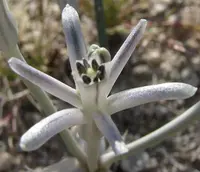
The plant carries small, nodding, green-and-white flowers on slender stalks, which are adapted to relatively low, coastal winds and are pollinated mainly by local insects attracted to their light scent.

FAQs about Slime Soldier-in-a-Box

This species usually flowers in late winter to spring, producing slender stalks topped with small, nodding, greenish-yellow, sometimes slightly striped blooms. Flowers are lightly scented and short-lived but often appear in succession during the season.

Grow Healthy Plants with Botan Care

Keep your plants happy and healthy with plant identification, disease detection, and easy care guidance.

Botan plant care app — identify plants on mobile

Explore More Plants