

Best Soil for lily of the valley (Convallaria majalis)

For Convallaria majalis, the right soil texture, drainage, and pH support steady rhizome growth and reduce root stress.

Soil Texture

Loamy, Silty, Organic-rich

Soil pH

Acidic (5.5–6.5), Slightly acidic (6.5–7.0)

Soil Drainage

Moist but well-drained

Convallaria majalis Soil Guide

Native to Europe and parts of temperate Asia, Convallaria majalis grows in woodland settings where soil stays cool, humus-rich, and evenly moist. Those conditions explain why the best soil for lily of the valley feels soft and moisture-retentive, yet still drains well after rain.

Its spreading rhizomes sit close to the surface and move through loose, loamy or silty ground more easily than through dense, compacted soil. Organic-rich structure supports steady moisture and airflow around the roots, which helps the plant remain healthy without sitting in stagnant, soggy conditions.

A simple custom blend helps Convallaria majalis keep the balance between moisture retention and root airflow in containers or small garden spaces.

100% total mix = 20 scoops
10%
perlite or pumice2 scoops
20%
pine bark fines4 scoops
30%
compost or leaf mold6 scoops
40%
high-quality potting soil8 scoops

The finished mix should feel soft and slightly springy, hold some moisture after watering, and let excess water move through without staying soggy.

A slightly acidic to mildly acidic range of about 5.5–7.0 suits lily of the valley well. Within that span, key nutrients stay available without pushing the root zone too far acidic or too close to alkaline.

This species is fairly comfortable across that gentle range, but soil near the middle usually supports the most balanced nutrient uptake. If pH drifts too far outside it, some nutrients become harder for roots to access.

This species spreads by rhizomes, so soil conditions that stay off-balance for long periods can limit healthy expansion and root function.

Compacted soil:

Dense, pressed soil can slow rhizome spread and reduce air around roots; gently loosen the surface and check whether the mix has become too tight over time.

Stagnant moisture:

Heavy, waterlogged soil may keep the root zone deprived of oxygen; first make sure extra water can leave the container or planting area freely.

Fast drying:

If the root zone dries out very quickly, the mix may be too coarse or low in organic matter; check texture and add more moisture-holding material next time.

Salt buildup:

A crust on the surface or pot edge can point to mineral accumulation; flush the soil thoroughly once and monitor whether residue returns.

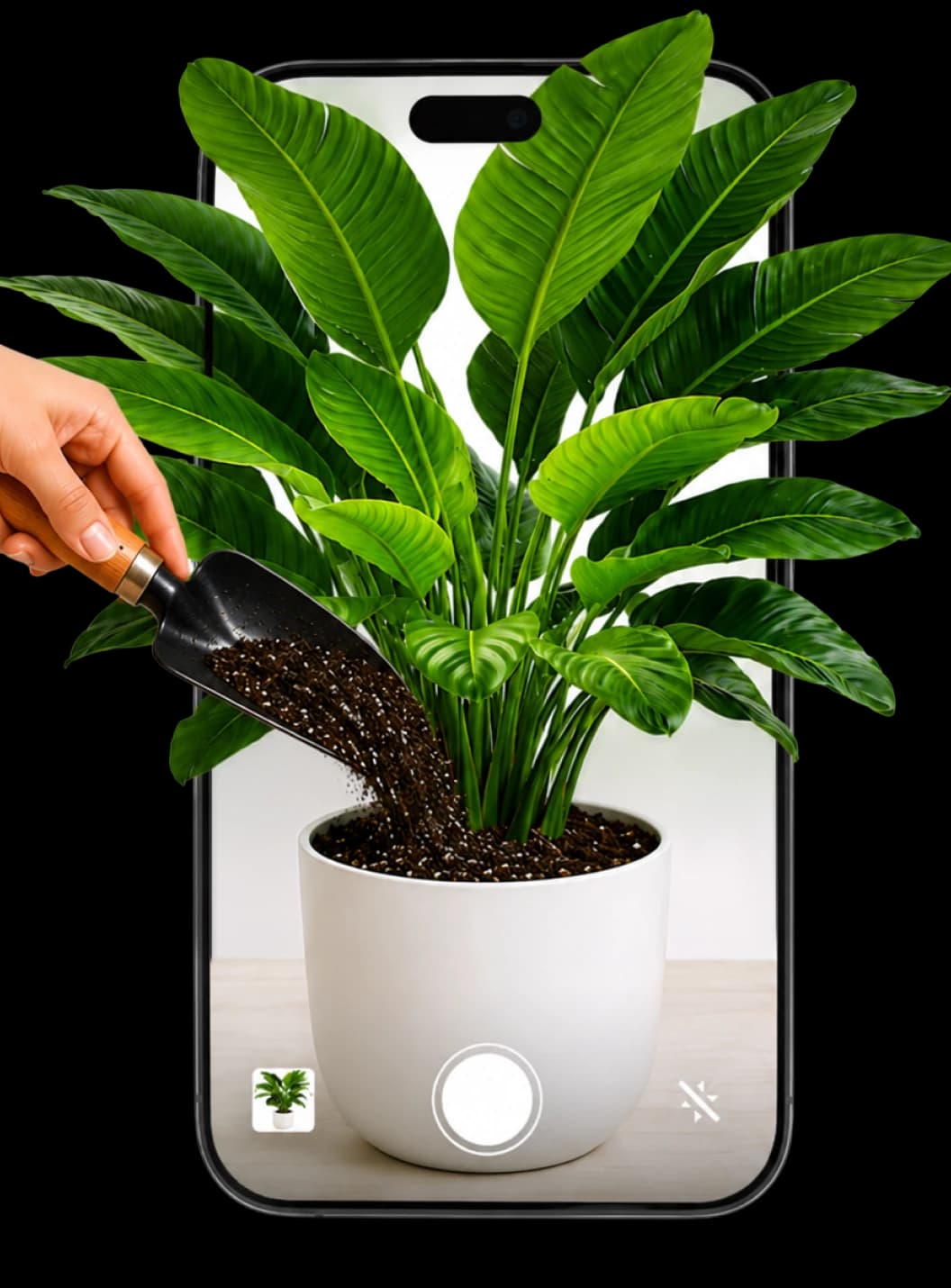
Scan for Better Soil

Botan can help assess the plant and guide a more suitable soil choice based on how it is growing now.

FAQ

Yes. Drainage holes help excess water leave the root zone, which lowers the chance of stale, airless soil. A pot without holes makes moisture control much less predictable.

Everything About Lily-of-the-valley

More Plant Soil Guides

Check What the Soil Is Doing

Use Botan’s photo-based assessment to check whether a visible issue may be linked to soil conditions and what to review next.

Botan app helping with soil and plant care
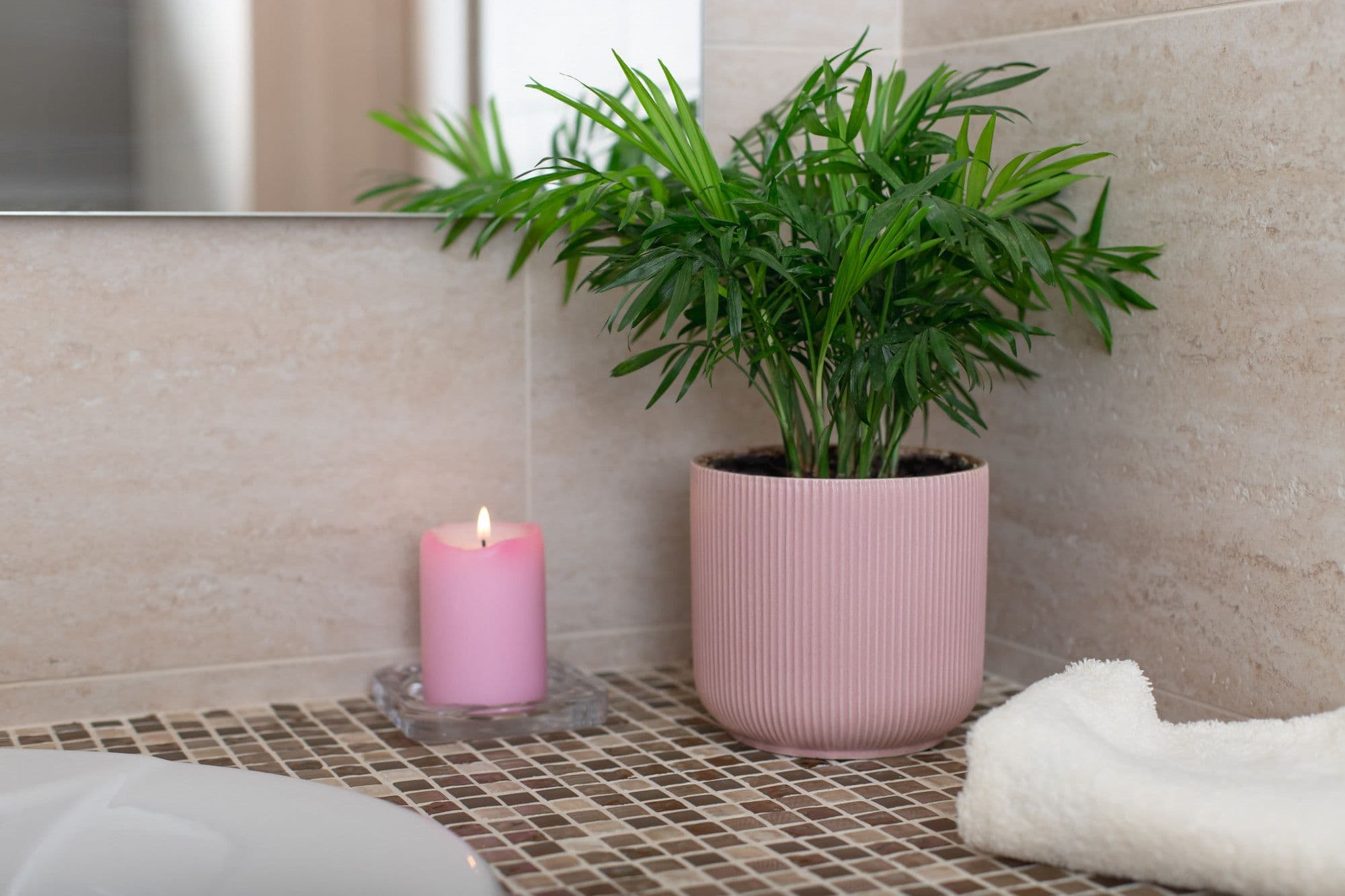
12 Best Plants for Bathroom That Thrive in Humid Conditions

9 min read · 29 Sept 2026

12 Best Plants for Bathroom That Thrive in Humid Conditions

Discover the 12 best plants for bathroom spaces. Each pick comes with its own advantages, plus light, humidity, watering, and placement tips. Take a look and match the plant to your specific bathroom.

Plant Recommendations
12 Best Plants for Bathroom That Thrive in Humid Conditions
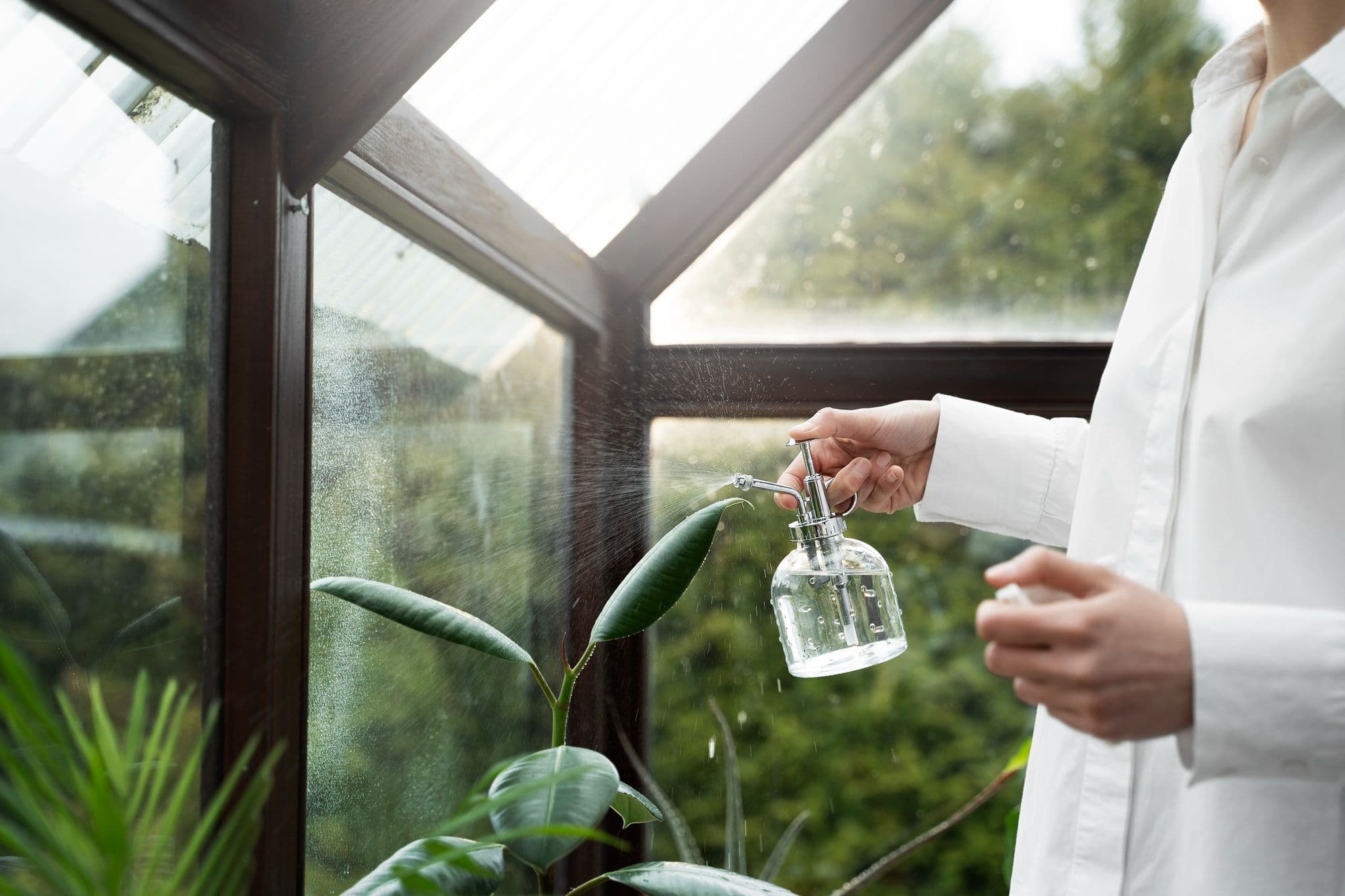
How to Increase Humidity for Plants – 8 Simple Ways That Work

8 min read · 14 Aug 2026

How to Increase Humidity for Plants – 8 Simple Ways That Work

Dry indoor air stresses a lot of houseplants. You usually notice it first in the browning leaf tips. This guide describes 8 simple ways to raise the moisture around your plants, from humidifiers to pebble trays.

Plant Care
How to Increase Humidity for Plants – 8 Simple Ways That Work
Frozen vs Fresh Vegetable Nutrients: Which Option Is Healthier?

6 min read · 8 Sept 2026

Frozen vs Fresh Vegetable Nutrients: Which Option Is Healthier?

Frozen and fresh vegetables are nutritionally comparable: frozen produce often retains vitamins just as well as fresh and may sometimes contain more. Here’s how blanching and storage affect nutrients—and when to choose each.

Plant Recommendations
Frozen vs Fresh Vegetable Nutrients: Which Option Is Healthier?