


Best Soil for Hyacinth (Hyacinthus orientalis)

For Hyacinthus orientalis, a loose, well-drained, slightly acidic soil helps bulbs root well and supports steady, healthy growth.

Soil Texture

Sandy, Loamy, Organic-rich

Soil pH

Acidic (5.5–6.5), Slightly acidic (6.5–7.0)

Soil Drainage

Well-drained

Hyacinthus orientalis Soil Guide

Native to the eastern Mediterranean and nearby parts of southwestern Asia, Hyacinthus orientalis grows from a bulb that stores water and nutrients. That growth habit makes drainage especially important, because dense, wet soil limits airflow around the bulb and roots.

The best soil for Hyacinth is loose, well-drained, and moderately moisture-retentive rather than heavy or compacted. A sandy or loamy texture with some organic richness suits its roots by holding enough moisture for active growth while still letting excess water move through easily.

A simple custom blend helps Hyacinthus orientalis stay evenly aerated around the bulb without becoming heavy or compacted.

100% total mix = 20 scoops
15%
compost or fine pine bark3 scoops
20%
perlite or pumice4 scoops
25%
coarse sand5 scoops
40%
high-quality potting soil8 scoops

The finished mix should feel light, slightly gritty, and crumbly, with quick drainage and enough body to settle around roots without staying dense.

Hyacinth grows best in slightly acidic to mildly acidic soil, around 5.5–7.0 pH. That range supports good nutrient availability, especially for steady root and leaf development during active growth.

A mix that stays near the middle of that range is usually easiest to manage. If pH drifts too far in either direction, some nutrients become harder for the plant to absorb even when they are present in the soil.

This bulb can decline in poorly balanced media, especially when the root zone stays dense for long periods. Check for soil-related stress early and make one change at a time.

Soggy root zone:

If the mix stays wet for too long or smells stale, loosen the setup by improving airflow in the soil and checking that excess moisture can leave freely.

Compacted soil:

When water sits on the surface or the top hardens, the mix may be collapsing; gently break up the crust and replace dense material with a fresher, airier blend.

Bulb rot risk:

Hyacinthus orientalis is vulnerable when the base stays cold and saturated, so remove obviously decayed material and shift it into a faster-draining medium.

Spent organic mix:

If the soil shrinks, dries unevenly, or no longer rewets well, refresh it with new material that restores an even structure around the roots.

Get the Soil Right

Botan helps match this plant to a suitable soil setup so it is easier to choose a mix that supports healthy bulbs and roots.

FAQ

Yes. Drainage holes are important because this species is sensitive to trapped moisture around the bulb and roots. A pot that lets excess water escape helps keep the root zone more stable.

More Plant Soil Guides

See If Soil Is the Issue

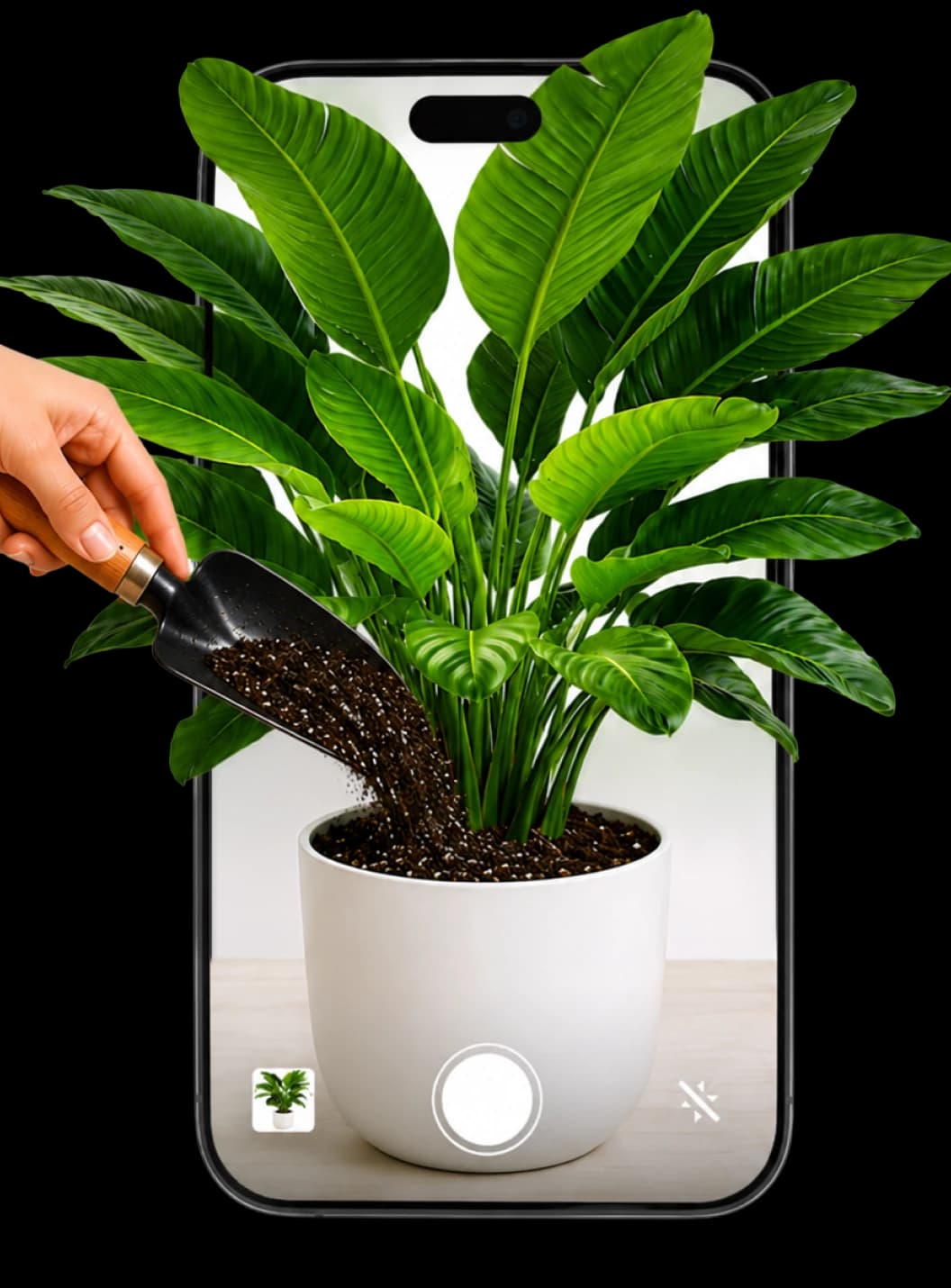
Botan can help assess visible issues from a photo and show whether soil is one possible factor worth checking more closely.

Botan app helping with soil and plant care
Best Time to Mow Lawn – A Complete Guide

5 min read · 10 Aug 2026

Best Time to Mow Lawn – A Complete Guide

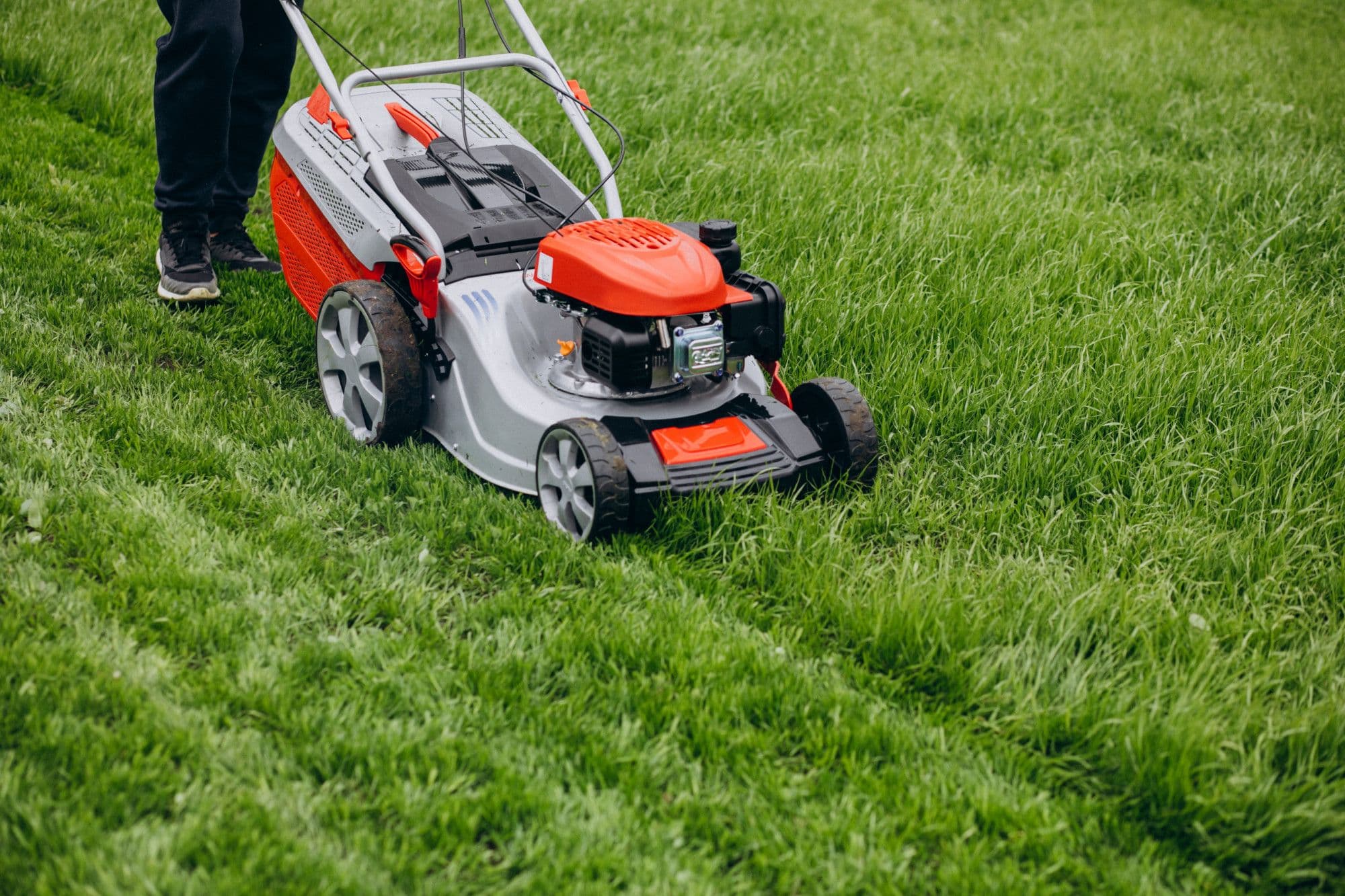
Explore when to mow your lawn for its health and a pleasant green color. Find out the best time for this task during the summer heat, and follow practical tips for correctly cutting the grass, and learn common mistakes to avoid.

Plant Care
Best Time to Mow Lawn – A Complete Guide
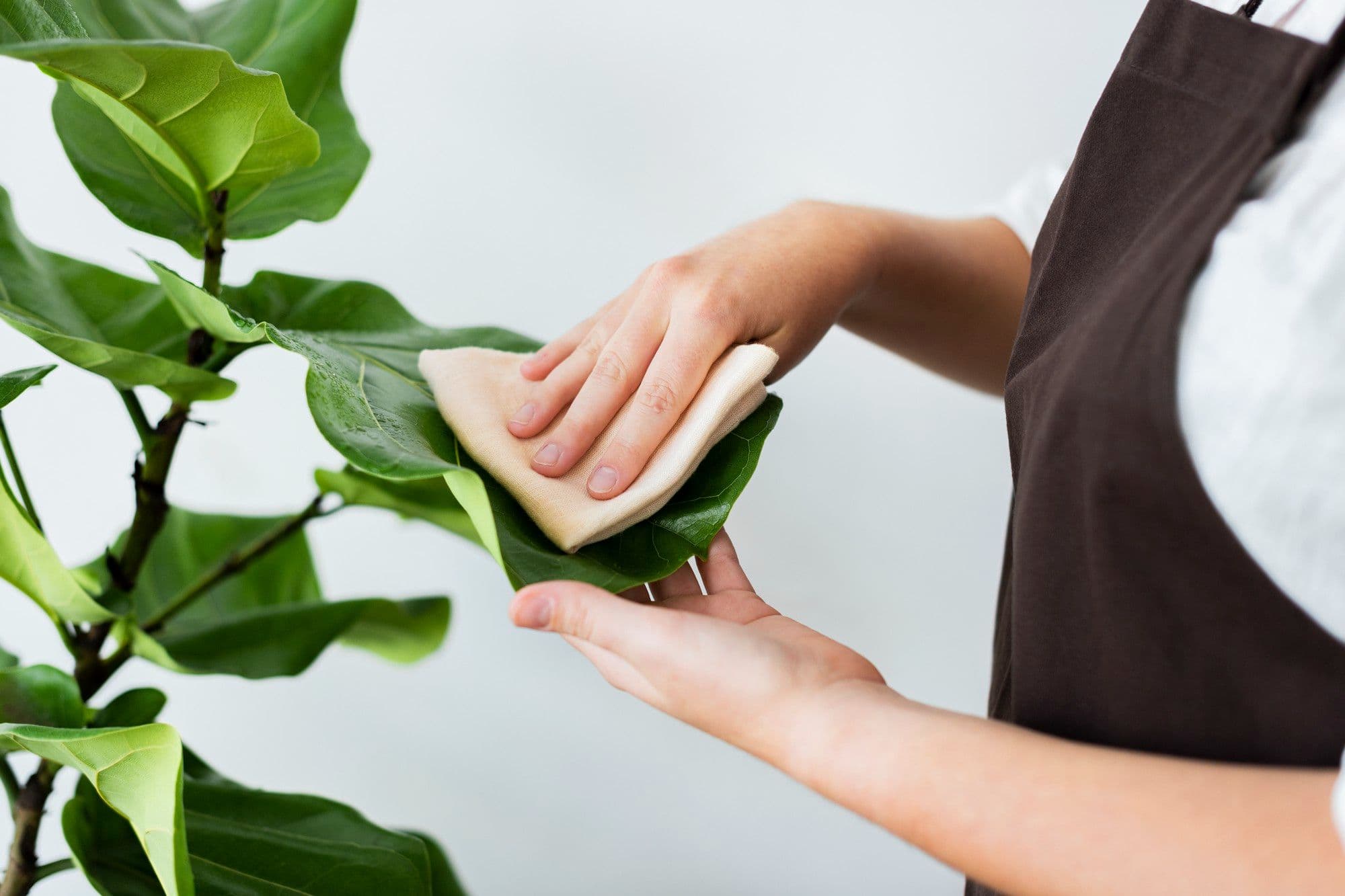
How to Clean Plant Leaves: A Simple Care Guide

6 min read · 4 Aug 2026

How to Clean Plant Leaves: A Simple Care Guide

Dusty leaves look dull and don't absorb light well. Below, you'll find simple ways to clean them, which tools are truly effective, how often you should do it, and what causes damage.

Beginner Guides
How to Clean Plant Leaves: A Simple Care Guide
Top 15 Plants That Don’t Need Sunlight

8 min read · 17 Sept 2026

Top 15 Plants That Don’t Need Sunlight

Some plants thrive in dim rooms, shaded corners, and places with indirect light. In this guide, you’ll explore the top 15 species best suited to low-light conditions and how to care for them.

Plant Recommendations
Top 15 Plants That Don’t Need Sunlight