



Best Soil for desert rose (Rosa stellata)

Rosa stellata grows best in loose, sharply drained soil that supports healthy root function without staying heavy around the crown.

Soil Texture

Sandy, Loamy, Rocky

Soil pH

Slightly acidic (6.5–7.0), Neutral (7.0)

Soil Drainage

Well-drained

Rosa stellata Soil Guide

Native to the south-central United States and northern Mexico, Rosa stellata grows in dry, open places with sandy, loamy, or rocky ground. Those settings shed water quickly and stay airy around the roots, which helps explain the best soil for desert rose.

A loose, mineral-rich, well-drained substrate suits this species better than dense, moisture-holding soil. Its roots benefit from oxygen between soil particles, not constant dampness, so desert rose soil should dry moderately between waterings while still holding enough moisture for steady growth.

A simple custom mix helps balance airflow, drainage, and enough moisture retention for Rosa stellata in containers.

100% total mix = 20 scoops
15%
fine gravel or small grit3 scoops
20%
pumice or perlite4 scoops
30%
loam-based potting soil6 scoops
35%
coarse sand7 scoops

The finished blend should feel loose, gritty, and easy to crumble, with water moving through promptly instead of lingering in the root zone.

A slightly acidic to neutral range of about 6.5–7.0 suits desert rose well. In that range, key nutrients stay more available, so roots can take them up without as much chemical restriction in the soil.

If pH drifts far below or above that window, some nutrients become harder for the plant to access even when they are present. A near-neutral reading is usually a practical target.

Most soil issues develop slowly, so early adjustments are often enough. Rosa stellata is usually more affected by lingering root-zone stress than by brief minor fluctuations.

Compaction:

Compaction: Soil that feels hard, crusted, or slow to absorb water limits air around roots, so gently loosen the surface and replace heavy material if needed.

Poor drainage:

Poor drainage: A potting medium that stays wet for long periods can strain roots, so check drainage holes and switch to a faster-draining blend.

Hydrophobic mix:

Hydrophobic mix: Very dry soil that shrinks from the pot edge may repel water at first, so rewet it gradually until moisture spreads evenly.

Salt buildup:

Salt buildup: A pale crust on the surface can interfere with root function, so scrape off the top layer and flush the container thoroughly.

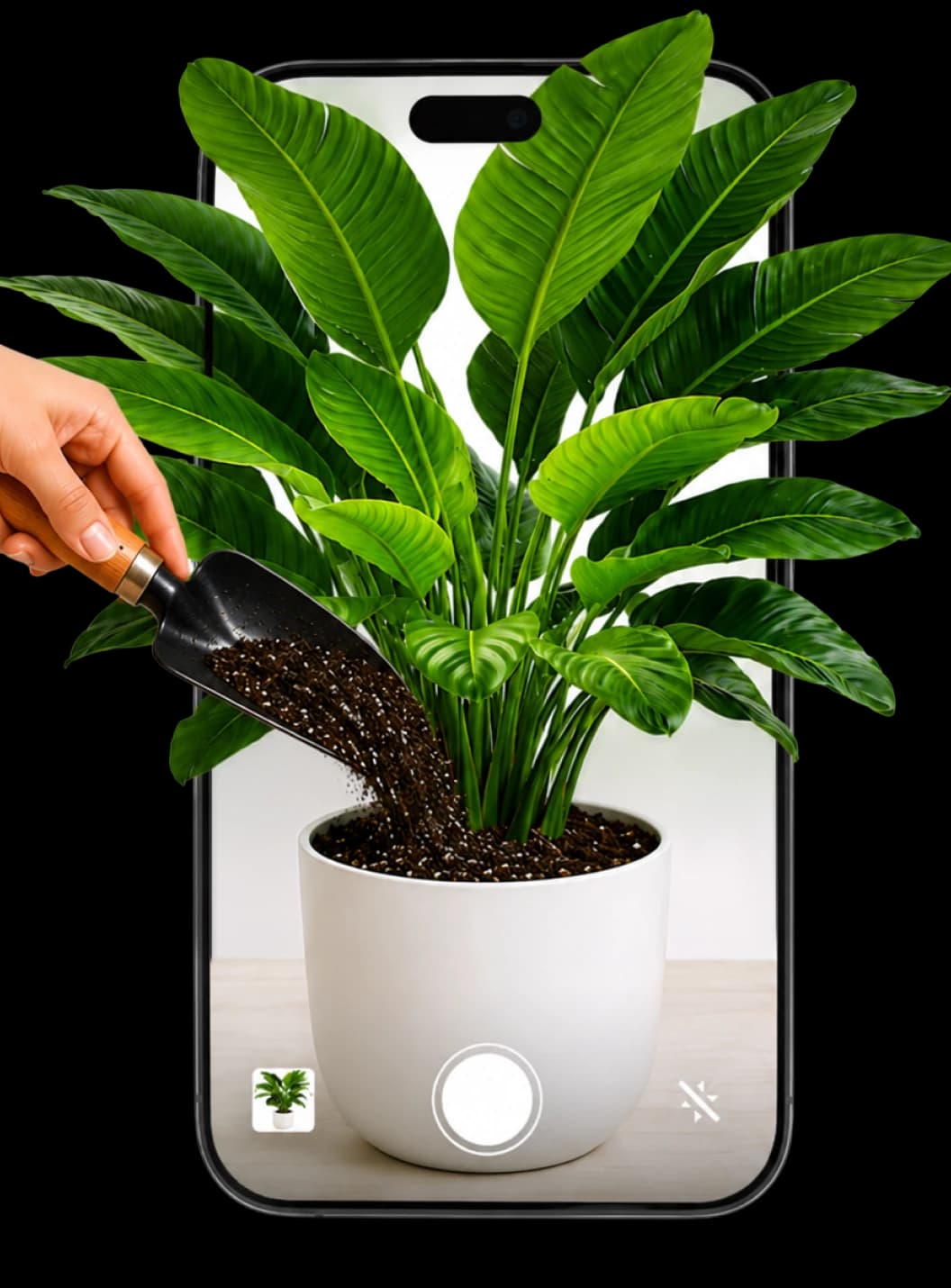
Scan for Better Soil

Botan can help assess your plant and guide you toward a soil setup that better matches its rooting needs and growth habit.

FAQ

Yes. A pot with moderate depth gives roots room without leaving a large column of mix wet for too long. Match depth to the root ball, not just the top growth.

More Plant Soil Guides

See If Soil Is the Issue

A photo check can help show whether a visible issue may be linked to soil conditions or if another cause is more likely.

Botan app helping with soil and plant care
How to Group Plants in Landscaping: A Practical Layout Guide

8 min read · 31 Aug 2026

How to Group Plants in Landscaping: A Practical Layout Guide

Good plant grouping can mean the difference between a well-planned garden and one that looks sloppy. This guide explores layers, spacing, cluster shapes, and the plants that thrive when you group them.

Plant Care

How to Group Plants in Landscaping: A Practical Layout Guide
Frozen vs Fresh Vegetable Nutrients: Which Option Is Healthier?

6 min read · 8 Sept 2026

Frozen vs Fresh Vegetable Nutrients: Which Option Is Healthier?

Frozen and fresh vegetables are nutritionally comparable: frozen produce often retains vitamins just as well as fresh and may sometimes contain more. Here’s how blanching and storage affect nutrients—and when to choose each.

Plant Recommendations
Frozen vs Fresh Vegetable Nutrients: Which Option Is Healthier?
How to Mist Plants – Proper Technique and Common Mistakes

7 min read · 30 Jul 2026

How to Mist Plants – Proper Technique and Common Mistakes

Find out when misting works well and when to avoid it. Here, you’ll find detailed information about compatible and incompatible species, tips on how often to mist plants and do it correctly, and some great alternatives for raising humidity.

Beginner Guides
How to Mist Plants – Proper Technique and Common Mistakes