desert rose Care (Rosa stellata)

desert rose

About desert rose

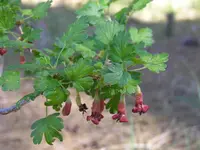
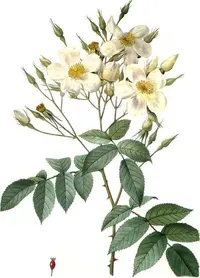
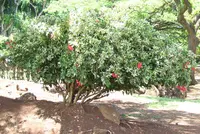
Rosa stellata, commonly called desert rose, is a small, deciduous shrub rose native to dry, rocky habitats in the southwestern United States and northern Mexico. It forms a compact, open mound with stiff, thorny stems and narrow, gray-green leaves adapted to arid conditions.

Star-shaped, rosy purple flowers appear in warm seasons and give the plant its name. Growth is slower than many garden roses, but it is long-lived in suitable conditions.

This species prefers full sun, low to moderate moisture, and well-drained, gritty soil, so it suits xeric and water-wise gardens. These traits make it relatively low-maintenance once established, although gardeners in wetter climates may find care for desert rose more challenging.

Main Plant Requirements

Care Difficulty

Moderate Care

Light Preference

Full Sun

Water Requirements

Low Water

Temperature Preference

Cold Hardy

Hardiness Zone

5–9

Soil Texture

Sandy, Loamy, Rocky

Soil pH

Slightly acidic (6.5–7.0), Neutral (7.0)

Soil Drainage

Well-drained

Fertilization

Minimal (feed rarely)

Get Personalized Care Plan

Scan your plant to receive care tips personalized for your specific plant

Available on iOS and Android

How to Care for the desert rose

Rosa stellata prefers strong sun but benefits from some protection during the hottest part of the day.

  • Provide 6–8 hours of direct sun daily, ideally with morning sun and light afternoon shade in hotter regions.
  • Plant in an open, unshaded spot; it tolerates very light partial shade but flowering and compact growth decline below 4–5 hours of sun.
  • In very hot summers, monitor leaves for scorch or bronzing and give slight afternoon shade, while in winter ensure the site still receives low-angle sun.

Rosa stellata is drought-tolerant and prefers infrequent, deep watering over frequent light applications.

  • Allow the top 5–8 cm of soil to dry before watering; in well-drained soil this often means waiting until the surface looks pale and feels dry.
  • During active growth in spring–early summer, water thoroughly, then let excess drain; reduce watering sharply in late summer–fall as growth slows.
  • Watch for yellowing, soft leaves and constant wet soil as signs of overwatering, and crisp edges or premature leaf drop as signs of underwatering.

This species handles heat well but needs protection from severe cold, especially in climates with harsh winters.

  • Optimal growing temperatures are 65–85°F (18–29°C), with warm, dry conditions promoting sturdy stems and flowering.
  • Established plants tolerate brief drops to about 10–15°F (-12 to -9°C) if soil is well-drained and crowns are protected from standing water and ice.
  • In hot regions, plants withstand 95–100°F (35–38°C) if soil is not waterlogged; mulch lightly to buffer roots from rapid heat and cold swings.

Rosa stellata handles low humidity well and rarely needs special humidity management.

Rosa stellata prefers mineral, sharply drained soil that imitates dry, rocky habitats.

  • Use a sandy or gritty loam with low to moderate organic matter to prevent excess moisture retention.
  • Aim for slightly alkaline to neutral pH around 7.0–7.8, often achieved naturally in calcareous or rocky soils.
  • Blend coarse sand or small gravel into the planting area to increase drainage and root aeration.
  • Avoid heavy clay, compacted ground, or sites where water lingers after rain, as these conditions promote root rot.

This species can be grown in containers if drainage and stability are carefully managed.

  • Use a wide, heavy container or add top dressing gravel to keep the plant stable against wind and uneven weight distribution.
  • Choose a gritty mix with at least 50% mineral material so water drains quickly through the root zone.
  • Raise the pot on feet or bricks so drainage holes remain clear and runoff does not pool under the container.

Rosa stellata is adapted to lean soils and needs only light, targeted feeding to maintain healthy growth.

  • Use a low-dose balanced NPK fertilizer (such as 5-5-5) or a thin layer of compost in early spring as new growth begins.
  • Apply fertilizer once in spring and, if flowering is weak, once more in early summer; avoid midsummer to fall feeding.
  • Always dilute liquid products to 1/2 strength and water the soil first to reduce root burn risk when caring for desert rose relatives.
  • Stop feeding in late summer so the plant can harden growth before winter dormancy.

Rosa stellata benefits from modest, well-timed pruning to maintain shape and flowering.

  • Prune in late winter to very early spring before buds break, when plant structure is easy to see.
  • Remove dead, diseased, or crossing stems first, then thin the oldest, weakest canes to open the center.
  • Shorten overly long shoots by up to 1/3 to control size and encourage sturdy, flowering growth.
  • Use clean, sharp bypass pruners and cut just above outward-facing buds to guide new shoots outward.

This species is usually grown in the ground, so focus on careful transplanting rather than frequent repotting.

  • Plan transplants for late fall or very early spring, when growth is dormant and stress is lowest.
  • Move plants only every several years, when growth declines or crowding demands relocation.
  • Check the root ball; dense circling roots in a container or poor vigor in-ground signal the need to shift to a better site.
  • Dig a wide hole, keep as much root ball intact as possible, water in deeply, and shade briefly after moving to limit shock.

Rosa stellata is commonly propagated by seed or semi-ripe cuttings under the right seasonal conditions.

  • Collect ripe hips in fall, clean seeds, and cold-stratify them in moist medium at 35–40°F for 8–12 weeks.
  • Sow stratified seeds in a well-drained mix under bright light and keep slightly moist until germination.
  • Take semi-ripe cuttings in late spring to midsummer, use rooting hormone, and place in a fast-draining, barely moist substrate.
  • Provide bottom warmth around 70–75°F and high but not stagnant humidity to encourage root development.

Rosa stellata is generally cold hardy and needs only modest winter preparation in most temperate climates.

  • Tolerates typical garden frosts once established, but young plants benefit from extra protection in their first 1–2 winters.
  • Apply a 5–8 cm mulch layer around the root zone after soil cools, keeping it slightly away from stems.
  • In very cold or exposed sites, use a breathable shrub cover or windbreak to limit desiccation and stem dieback.

Care Tips

Root zone mulching

Apply a very thin, gritty mineral mulch (such as 0.5–1 cm of crushed granite or coarse sand) around the root zone to suppress weeds, keep the crown dry, and reduce soil splash that can spread fungal spores.

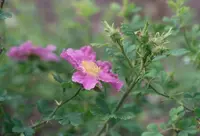
Summer deadheading

Remove spent flowers promptly by snipping just below the flower head to encourage a tidier habit, reduce unwanted self-seeding, and direct the plant’s energy into root and stem strength rather than seed production.

Targeted cane renewal

Every 2–3 years, remove 1–2 of the oldest, thickest stems at ground level in late winter to maintain an open structure, improve airflow, and stimulate new, floriferous shoots.

Dry-climate spacing

Plant individuals with at least 45–60 cm between crowns so air can move freely around the plants, which matches its native open-desert growth pattern and lowers the risk of foliar disease.

Seedling selection

If starting from seed, grow 3–5 seedlings in a tray and then transplant only the most compact, spiny, and well-branched individuals, which better reflect the natural form and resilience desirable when growing desert rose in garden settings.

Common Pests and Diseases

Spider mites

This pest is common on drought-tolerant shrubs in hot, dry sites and feeds on leaf sap, causing fine stippling, dull foliage, and light webbing on lower leaf surfaces.

Solution

Rinse foliage thoroughly with a strong, targeted stream of water to dislodge mites, then repeat every few days during outbreaks; increase humidity around container plants slightly and avoid overhead watering that constantly wets flowers. If needed, use insecticidal soap or a horticultural oil labeled for spider mites, applied in the cool part of the day and repeated according to label directions.

Rose aphids

These insects cluster on young stems, buds, and undersides of leaves, sucking sap and causing distorted new growth and sticky honeydew that can attract sooty mold.

Solution

Prune off heavily infested shoot tips and crush or hose off remaining colonies, focusing on undersides of leaves and around buds. For persistent infestations, apply insecticidal soap or a light horticultural oil, coating all green surfaces and repeating at 5–7 day intervals until new growth emerges clean.

Rose rust

This disease appears as orange to rust-colored pustules on leaf undersides and sometimes stems, leading to yellowing and premature leaf drop in humid or overwatered situations.

Solution

Remove and discard affected leaves as soon as symptoms appear, and avoid overhead irrigation that keeps foliage wet for long periods. Improve air circulation by thinning crowded stems, and if the problem recurs seasonally, apply a sulfur or other rose-labeled fungicide preventively when new foliage emerges in spring.

Black spot

This disease causes round black leaf spots with fringed edges, followed by yellowing and leaf drop, especially when foliage stays wet and air circulation is poor.

Solution

Collect and dispose of fallen leaves, prune to open the center of the plant, and water at soil level to keep foliage dry. During susceptible periods, especially in wetter climates or seasons, use a rose-safe fungicide such as chlorothalonil or myclobutanil according to label directions, starting at first sign of spotting.

Leafcutter bees

These insects cut neat, semi-circular pieces from leaf edges to line their nests, which looks alarming but rarely threatens plant health on established shrubs.

Solution

Tolerate minor cosmetic damage where possible, since these bees are important pollinators and do not harm stems or roots. If necessary to protect a young plant, use fine mesh or row cover during peak activity, removing it during flowering to allow pollination and avoiding insecticides that could harm beneficial insects involved in Rosa stellata plant care.

Interesting Facts

Desert-adapted foliage

This species has narrow, strongly divided leaflets that reduce surface area, which limits water loss and helps it survive in the hot, arid habitats of the southwestern United States.

Star-shaped blossoms

The flowers have distinctly star-like outlines with only 5 narrow petals, creating a more open, starlit appearance than the fuller, layered form typical of many cultivated roses.

Specialized native range

It is naturally restricted to rocky, limestone or gypsum-rich slopes and mesas in parts of Texas, New Mexico, and northern Mexico, where it often grows in very shallow, mineral soils with low organic matter.

Botan icon

Did you know?

Unlike many other wild roses that spread aggressively by suckers or dense thickets, this species usually grows as scattered, individual clumps, which makes it less competitive but well suited to sparse desert plant communities.

FAQs about desert rose

Lack of flowers usually comes from insufficient light, excess shade from other plants, or heavy, nitrogen-rich feeding. Old, exhausted wood and missed pruning can also reduce flowering. Encourage new shoots and buds by renewing older stems gradually.

Grow Healthy Plants with Botan Care

Keep your plants happy and healthy with plant identification, disease detection, and easy care guidance.

Botan plant care app — identify plants on mobile

Explore More Plants