Rubus leyanus Care

Rubus leyanus

About Rubus leyanus

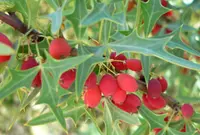
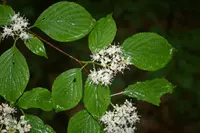
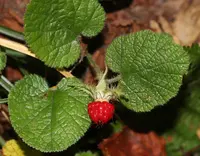
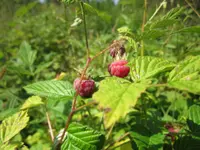
Rubus leyanus is a deciduous shrub in the raspberry and blackberry group, forming arching or scrambling canes with seasonal flowers and small aggregate fruits. It typically grows in thickets or woodland edges, often using nearby vegetation for support.

This species is native to parts of East Asia, where it occupies slopes, forest margins, and disturbed sites with good drainage. Its vigor and suckering habit can make it somewhat invasive in suitable climates, but also quite resilient once established.

In cultivation it generally prefers sun to light shade, moderate moisture, and well-drained, fertile soil. Gardeners who learn how to care for Rubus leyanus mainly focus on managing its spread and maintaining healthy, well-lit canes.

Main Plant Requirements

Care Difficulty

Moderate Care

Light Preference

Partial Sun

Water Requirements

Moderate Water

Temperature Preference

Warm Climate

Hardiness Zone

Unknown

Soil Texture

Loamy

Soil pH

Slightly acidic (6.5–7.0)

Soil Drainage

Well-drained

Fertilization

Minimal (feed rarely)

Get Personalized Care Plan

Scan your plant to receive care tips personalized for your specific plant

Available on iOS and Android

How to Care for the Rubus leyanus

This deciduous shrub prefers consistent outdoor light that supports strong cane and fruit development.

  • Provide 6–8 hours of direct sun daily, with a preference for morning sun and light afternoon shade in hotter regions to reduce leaf scorch and moisture loss.
  • Tolerates partial shade (around 4 hours sun) but flowering and fruiting decline and canes may stretch and become weaker.
  • In summer, protect from intense late-afternoon sun in zones with very high UV, and in winter ensure plants are not permanently shaded by buildings or evergreen trees.

This shrub benefits from evenly moist but not saturated soil throughout the growing season.

  • Before watering, check that the top 3–5 cm of soil has dried; then water deeply so moisture reaches the full root zone rather than just the surface.
  • During spring and summer, expect to water more often in sandy or sloped sites and less in clay; mulch 5–8 cm deep helps conserve moisture and stabilize soil conditions.
  • Overwatering shows as yellowing, limp leaves and dieback from root rot, while underwatering causes dull, curling leaves and small fruit; adjust frequency based on these visible signs.

This hardy bramble thrives in cool to warm temperate climates with distinct seasons.

  • Active growth and flowering occur best at 60–75°F (16–24°C), with roots preferring cool, mulched soil even when air temperatures rise higher.
  • Mature plants tolerate winter lows near 0°F (−18°C) once established, but young canes and buds can be damaged by late frosts after early spring warm spells.
  • In hot summers above 90°F (32°C), provide soil moisture and light afternoon shade to reduce heat stress, sunscald on canes, and reduced fruit set.

This species prefers moderately moist air but usually adapts to typical outdoor humidity levels.

  • Aim for 40–60% humidity when growing Rubus leyanus in sheltered or partly enclosed sites.
  • Leaves may brown at the edges or curl slightly if exposed to hot, very dry winds for long periods.
  • Increase local humidity by mulching the root zone and using nearby planting or windbreaks to reduce drying air.

Rubus leyanus grows best in loose, moist, well‑drained ground with high organic content.

  • Use a loamy mix with plenty of organic matter such as composted bark or garden compost to retain moisture while staying airy.
  • Ensure rapid drainage by avoiding heavy, compacted clay; improve such soils with coarse sand or fine gravel plus organic material.
  • Aim for a slightly acidic to neutral pH around 6.0–7.0, as strongly alkaline soils can reduce nutrient availability and vigor.
  • Avoid waterlogged or extremely sandy soils; in both cases, amend to create a crumbly structure that holds moisture but never stays saturated.

This species can be grown in containers if the pot is large and stable enough for its vigorous root and shoot growth.

  • Select a deep, wide container to allow lateral root spread and reduce stress during periods of rapid cane growth.
  • Choose a heavy material such as thick terracotta or concrete to prevent tipping as canes lengthen and fruit develops.
  • Raise the pot slightly on feet or bricks so drainage holes stay clear and excess water exits quickly after heavy rain or irrigation.

This shrub usually needs modest feeding, as Rubus leyanus is adapted to lean, well-drained soils.

  • Use a light top-dressing of garden compost or well-rotted manure in early spring to support new growth.
  • In poor soils, apply a balanced slow-release fertilizer (around 10-10-10) once in spring at label rates.
  • Avoid high-nitrogen products, which cause soft, sappy shoots and fewer flowers or fruits.
  • Do not feed in late fall or winter, since dormant plants cannot use extra nutrients effectively.

Pruning Rubus leyanus maintains plant health, controls spread, and supports flowering and fruiting.

  • Carry out main pruning in late winter or very early spring before buds break.
  • Remove dead, diseased, or damaged canes at ground level using clean, sharp bypass pruners or loppers.
  • Thin crowded stems by taking out older, weak canes to improve air flow and light penetration.
  • Shorten or train vigorous new canes to maintain desired shape and keep growth within available space.

This species is usually grown in the ground, so focus on thoughtful transplanting rather than frequent repotting.

  • Transplant in late fall or early spring when the plant is dormant and soil is workable.
  • Look for signs such as roots circling a container, water running off quickly, or stunted growth in potted plants.
  • Lift with as much root ball as possible, disturbing roots minimally, and replant at the same soil depth in a wider area.
  • Water thoroughly after transplanting, then keep soil evenly moist and shaded for 1–2 weeks to limit transplant shock.

Gardeners most often propagate this shrub by layering, division, or semi-ripe stem cuttings.

  • Layer flexible stems in spring or early summer by pegging a section to moist soil until roots form, then separate.
  • Take semi-ripe cuttings in mid to late summer, using 8–10 cm pieces placed in a free-draining, slightly moist mix.
  • Divide established clumps in early spring or fall, keeping good root sections attached to several healthy canes.
  • Sow fresh seed outdoors in fall or stratified seed in spring, as cool, moist conditions improve germination.

This plant is generally cold hardy in temperate climates and needs only light winter attention.

  • Tolerates typical frost once established, though young plants benefit from extra protection in the first 1–2 winters.
  • Apply a 5–8 cm layer of organic mulch around the root zone in late fall, keeping it clear of the canes.
  • In very cold or exposed sites, loosely tie and stake canes to reduce wind damage and winter breakage.
  • Move container-grown plants into a sheltered, unheated area where soil can stay slightly moist but not waterlogged.

Care Tips

Rotating fruiting canes

Mark and retain only the strongest 1–3-year-old canes each winter, removing older, exhausted canes at ground level so flowering and fruiting remain concentrated on vigorous, well-lit growth.

Targeted cane support

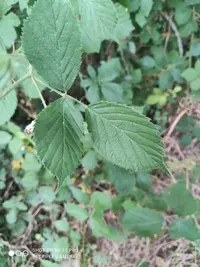
Install a 2–3 wire trellis or horizontal wires along a fence and loosely tie new canes as they extend, spacing them 10–15 cm apart to improve air movement, berry access, and disease prevention.

Mulch to protect crowns

Apply a 5–8 cm layer of coarse organic mulch around, but not touching, the crown to stabilize soil moisture, reduce weed competition, and protect shallow roots from heat and mechanical damage.

Sanitize after pruning

Disinfect pruning tools with alcohol or a 10% bleach solution between plants and after cutting out any diseased cane to reduce the spread of fungal canes blights and other pathogens when growing Rubus leyanus.

Timed bird protection

Drape lightweight bird netting over the planting just as fruits begin to blush, securing the base well, and remove it promptly after harvest to protect berries without restricting pollinator access during flowering.

Common Pests and Diseases

Cane blight

This disease causes dark, sunken lesions on canes that may crack, girdle the stem, and lead to sudden wilting or dieback of young shoots.

Solution

Prune out and destroy affected canes during dry weather, cutting 10–15 cm below visible damage, and disinfect pruning tools between cuts; maintain open, well-spaced plants with good airflow and avoid wounding canes, especially in wet conditions.

Anthracnose

This disease produces small purplish spots on young canes that expand into pale, sunken lesions, often leading to weakened stems and reduced fruit quality.

Solution

Remove and dispose of infected canes after harvest, thin growth to improve air circulation, avoid overhead irrigation, and in regions with a history of severe problems consider applying a labeled copper or fungicide spray at bud break and after pruning as part of broader Rubus leyanus care instructions.

Raspberry cane borer

This pest is a beetle whose larvae tunnel inside young canes, causing two distinct rows of holes and tip wilting above the damaged section.

Solution

As soon as tip wilting and paired girdling marks appear, prune and destroy the cane section 10–15 cm below the lower row of holes to remove larvae, and maintain regular cane inspection from late spring through midsummer to catch new infestations early.

Raspberry aphid

These insects cluster on the undersides of young leaves and shoot tips, sucking sap and causing leaf curling, stunting, and potential virus spread.

Solution

Wash colonies from shoots with a firm stream of water, encourage natural predators like lady beetles, and when populations are high use insecticidal soap or horticultural oil, ensuring thorough coverage of the undersides of leaves and tender growth.

Spider mites

This pest causes fine stippling and bronzing on leaves, often accompanied by delicate webbing in hot, dry conditions, leading to reduced vigor if populations build up.

Solution

Increase humidity around plants, hose down foliage to remove mites, and if needed apply horticultural oil or a miticide labeled for edible caneberries, repeating as directed to target successive mite generations while monitoring for reinfestation.

Interesting Facts

Endemic Chinese bramble

Rubus leyanus is a bramble species native and restricted to parts of China, described from the Leishan (often romanized as Leyan) region, which is reflected in its species name.

Climbing shrub habit

This species grows as a climbing or arching shrub with prickly stems, allowing it to scramble over nearby vegetation and form dense thickets in its native habitats.

Mountain forest preference

Rubus leyanus typically occurs in montane forests and shrublands at higher elevations, where it takes advantage of cooler temperatures and filtered light under or at the edge of tree canopies.

FAQs about Rubus leyanus

This species can spread quite vigorously by arching canes and sometimes by suckers from the root system. In favorable conditions it may form dense thickets, so use edging, root barriers, and regular pruning to keep it contained.

Grow Healthy Plants with Botan Care

Keep your plants happy and healthy with plant identification, disease detection, and easy care guidance.

Botan plant care app — identify plants on mobile

Explore More Plants