Agarita Care (Berberis trifoliolata)

Also known as: Wild Currant Agarita, Algerita
Agarita

About Agarita

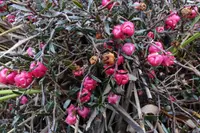
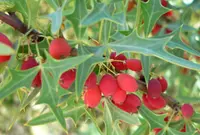
Agarita, Berberis trifoliolata, is an evergreen shrub native to dry, rocky areas of Texas and northern Mexico. It naturally grows in thickets with a dense, rounded form. The plant has gray-green, holly-like trifoliate leaves with sharp spines and fragrant yellow flowers, followed by red berries that attract wildlife. Its strong drought and heat tolerance make it well suited to low-water landscapes and windy, exposed sites. Once established, it needs little attention, so learning how to care for Agarita mainly involves choosing a sunny location and well-drained soil from the start.

Main Plant Requirements

Care Difficulty

Easy Care

Light Preference

Full Sun

Water Requirements

Low Water

Temperature Preference

Cold Hardy

Hardiness Zone

6–9

Soil Texture

Sandy, Loamy, Rocky

Soil pH

Slightly acidic (6.5–7.0), Slightly alkaline (7.0–7.5)

Soil Drainage

Well-drained

Fertilization

Minimal (feed rarely)

Get Personalized Care Plan

Scan your plant to receive care tips personalized for your specific plant

Available on iOS and Android

How to Care for the Agarita

This sun-loving evergreen shrub performs best in open, bright conditions typical of arid landscapes.

  • Provide 6–8 hours of direct sun daily; full sun promotes dense growth, strong spines, and better flowering and fruiting in Agarita.
  • Tolerates light afternoon shade, especially in very hot regions, but too much shade leads to leggy stems, fewer flowers, and reduced berry production.
  • In cooler seasons, no shading is usually needed; in extreme summer heat, young plants benefit from brief afternoon shade to limit leaf scorch.

This drought-adapted shrub prefers infrequent, deep watering rather than frequent light applications.

  • Allow the top 5–8 cm of soil to dry fully before watering; established landscape plants may go 2–4 weeks between deep soakings depending on heat and soil type.
  • Use fast-draining, gritty or sandy soil; standing water, heavy clay, or constantly wet roots increase risk of root rot in Berberis trifoliolata.
  • Signs of underwatering include dull, curling, or shedding leaves, while yellowing foliage and soft stems often indicate overwatering or poor drainage.

This species is well adapted to hot, dry regions and tolerates a wide range of outdoor temperatures.

  • Optimal growth occurs around 65–85°F (18–29°C), with flowering and fruiting reliable across most mild to warm climates.
  • Mature shrubs typically tolerate down to about 0°F (-18°C) with brief dips slightly lower; young plants benefit from mulch to protect roots in winter.
  • Handles summer heat up to 100–105°F (38–41°C) if soil drains well; temporary heatwaves are tolerated better when plants are established and not overwatered.

This shrub tolerates low atmospheric moisture and usually does not need special humidity management.

  • Typical indoor or outdoor humidity of 30–60% is acceptable for Agarita, which is naturally adapted to arid and semi-arid environments.
  • Dry household air rarely harms the plant, but prolonged, very humid conditions can encourage fungal leaf spots.
  • If leaves show dark spotting or mildew in persistently humid sites, improve air movement and avoid overhead watering.

Berberis trifoliolata prefers mineral, free-draining ground that never stays waterlogged.

  • Use gritty, sandy or rocky soil with low to moderate organic matter so water drains quickly and roots stay aerated.
  • Aim for slightly acidic to slightly alkaline pH, roughly 6.0–8.0, since the plant naturally grows on calcareous and neutral substrates.
  • Blend coarse sand or fine gravel into loam or native clay to increase porosity and reduce the risk of root rot.
  • Avoid dense, compacted, peat-heavy mixes that hold standing water, especially in low-lying or irrigated sites.

This species can be grown in containers, mainly for patios or small landscapes in dry regions.

  • Choose a heavy, stable pot such as thick-walled clay or concrete to counterbalance the plant’s woody, spiny top growth and wind exposure.
  • Select a container at least 35–45 cm deep to accommodate its woody root system and maintain consistent moisture without saturation.
  • Fill the pot with a sharply draining mix of coarse sand or fine gravel blended into standard potting mix to prevent chronic wetness after rain or irrigation.

This drought-tolerant shrub needs minimal feeding, so focus on maintaining soil health rather than heavy fertilization when caring for Agarita.

  • Apply a light layer of compost or well-rotted manure around the root zone once in spring to support steady growth.
  • In poor soils, use a balanced slow-release fertilizer (such as 10-10-10) at half the label rate in early spring.
  • Avoid summer high-nitrogen products, which can push soft growth and reduce drought and cold resilience.
  • Do not fertilize in late fall or winter, when the plant is dormant and nutrient demand is low.

Pruning Berberis trifoliolata is mainly used to maintain structure, remove problem wood, and manage size.

  • Carry out main pruning in late winter to very early spring, before new growth starts.
  • Remove dead, damaged, or crossing branches first, using clean bypass pruners or loppers.
  • Thin out a few older stems at the base to open the center and maintain a balanced, airy shape.
  • Avoid cutting all new shoots at once, since flowers and berries form on 1-year-old or older wood.

This shrub is usually grown in the ground, so focus on careful transplanting rather than frequent repotting.

  • Transplant in late fall or early spring, when the plant is dormant and air temperatures are cool.
  • Move plants only every several years, or when crowding, poor vigor, or construction makes relocation necessary.
  • Dig a wide planting hole, keeping as much of the root ball intact as possible to limit root stress.
  • Water deeply after transplanting, then keep soil evenly moist for the first season while new roots establish.

Berberis trifoliolata is commonly propagated from semi-ripe cuttings or seed under controlled conditions.

  • Take semi-ripe stem cuttings in late summer, 8–12 cm long, and remove the lower leaves.
  • Dip cut ends in a rooting hormone, then place in a free-draining mix and keep humidity moderate and light bright but indirect.
  • Sow cleaned seeds in autumn outdoors or use cold stratification at 35–40°F for 2–3 months before spring sowing.
  • Keep seed trays and cuttings just moist, not waterlogged, and maintain good air circulation to reduce fungal problems.

This species is cold hardy and usually needs little special winter care in typical USDA zones where it is grown.

  • Tolerates significant frost once established, with woody stems and deep roots providing natural resilience.
  • Apply a 5–8 cm layer of mulch around the root zone in late fall, keeping it slightly away from the stems.
  • For container plants in colder regions, move pots to a sheltered, unheated area to prevent root freezing.

Care Tips

Windbreak placement

Site the shrub where buildings, fences, or other shrubs break strong prevailing winds, as this reduces branch breakage and helps young plants establish a deeper, more stable root system.

Spine‑safe access

Plan maintenance paths or stepping stones at planting time so you can weed, inspect, and harvest fruit without brushing against the sharp spines, which reduces damage to both you and the plant.

Erosion control use

On slopes, plant in staggered rows along the contour line so the dense root system and low branching habit knit the soil together and reduce runoff over several seasons.

Wildlife management

If birds are a concern near patios or walkways, position the shrub slightly farther from high‑traffic areas or use it instead as a barrier hedge at property edges, where its fruit can support wildlife without creating a mess.

Minimal training cuts

In the first 2–3 years, make only a few selective heading cuts on overly long shoots to encourage a dense, rounded framework, which provides a more effective and attractive barrier when growing Agarita as a hedge.

Common Pests and Diseases

Barberry aphids

This pest appears as small soft-bodied insects clustered on young shoots and leaf undersides, often causing distorted new growth and sticky honeydew. Symptoms include curling leaves and sooty mold growing on the honeydew deposits.

Solution

Prune off heavily infested shoot tips and discard them in the trash, then hose down remaining stems and foliage with a strong stream of water to dislodge aphids. For continued pressure, apply insecticidal soap or a light horticultural oil, making sure to coat the undersides of leaves, and repeat every 7–10 days as needed while monitoring natural predators such as lady beetles.

Scale insects

These insects attach firmly to stems and older branches as small, rounded or oval bumps that do not move, gradually weakening the plant. Symptoms include yellowing foliage, thin new growth, and sticky honeydew on nearby surfaces.

Solution

Scrape off localized colonies with a gloved finger or soft brush, then prune and dispose of heavily infested branches. For broader infestations, use horticultural oil during the growing season to smother scale, ensuring thorough coverage of stems, and consider a systemic insecticide labeled for ornamental shrubs in severe cases outdoors.

Powdery mildew

This disease produces white to gray powdery patches on leaves and young stems, especially in shaded, crowded, or humid conditions. Symptoms include dull, distorted foliage and premature leaf drop on affected shoots.

Solution

Improve air circulation by thinning interior branches and avoiding overhead watering in the evening, then remove and discard infected leaves and shoot tips. If conditions favor recurring outbreaks, apply a sulfur or potassium bicarbonate fungicide labeled for ornamentals at the first sign of symptoms, repeating according to label directions.

Rust

This disease causes orange to rust-colored spots or pustules on leaves and sometimes on stems, which can lead to early leaf drop if severe. Symptoms include spotting that may break open to release orange spores that can spread to nearby susceptible plants.

Solution

Collect and discard fallen leaves and prune out heavily spotted shoots to reduce spore levels around the plant. In sites with a history of rust, avoid overhead watering and consider applying a preventative fungicide labeled for rust on ornamentals in early spring when new leaves emerge, especially in dense plantings of barberry.

Leaf spot

This disease shows as small brown, purple, or tan spots on leaves that may enlarge and merge, giving the foliage a speckled or scorched appearance. Symptoms include early yellowing and dropping of heavily spotted leaves, mainly on the lower parts of the shrub.

Solution

Rake and remove fallen leaves, thin out crowded stems to enhance airflow, and avoid wetting the foliage when watering. If leaf spot recurs yearly, consider applying a broad-spectrum ornamental fungicide in spring and early summer, targeting the lower and interior foliage where humidity remains highest and monitoring plant vigor as part of overall Berberis trifoliolata plant care.

Interesting Facts

Spine-tipped leaf clusters

This shrub has rigid, blue-green leaflets grouped in threes, with each leaflet ending in a sharp spine, an adaptation that reduces herbivory and water loss in arid habitats.

Winter fruit for wildlife

Its bright red berries persist into winter and provide an important cold-season food source for birds and small mammals in dry shrublands of Texas and northern Mexico.

Calcareous soil specialist

The species is especially common on limestone and other calcareous substrates, where its deep, woody root system exploits moisture and nutrients in rocky, alkaline soils.
Botan icon

Did you know?

Early European and American observers noted that this plant was often used as a living fence in ranching areas because its dense, spiny branches effectively deter livestock and human passage, functioning as a natural barrier hedge.

FAQs about Agarita

Lack of blooms often comes from too much shade, heavy pruning at the wrong time, or very young age. Pruning hard after winter removes flower buds. Mature plants in full sun usually flower more reliably.

Grow Healthy Plants with Botan Care

Keep your plants happy and healthy with plant identification, disease detection, and easy care guidance.

Botan plant care app — identify plants on mobile

Explore More Plants