Prostrate snowberry Care (Gaultheria macrostigma)

Prostrate snowberry

About Prostrate snowberry

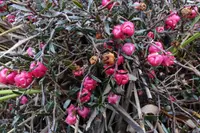
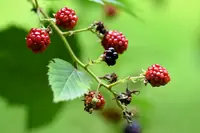
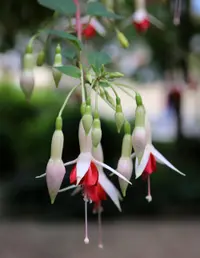
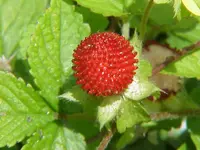
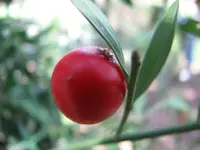
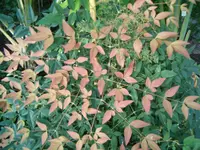
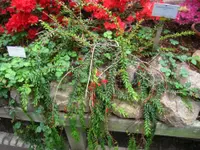
Prostrate snowberry, Gaultheria macrostigma, is a low, spreading evergreen shrub grown mainly as a groundcover. It forms dense mats of small, glossy leaves that stay attractive year-round. The plant produces urn-shaped white to pink flowers followed by small, showy berries that add seasonal interest. It is naturally found in cool, mountainous or woodland regions, often in acidic, humus-rich soils. This species is generally slow-growing but long-lived when given consistent moisture and good drainage. Many gardeners find it moderate in difficulty, as it dislikes drying out or compacted, alkaline soil. Light shade and sheltered positions usually give the most reliable results for those who want to care for Prostrate snowberry.


Main Plant Requirements

Care Difficulty

Moderate Care

Light Preference

Partial Shade

Water Requirements

Keep Soil Moist

Temperature Preference

Cool Climate

Hardiness Zone

7–9

Soil Texture

Loamy, Peaty, Organic-rich

Soil pH

Strongly acidic (4.5–5.5), Acidic (5.5–6.5)

Soil Drainage

Moist but well-drained

Fertilization

Minimal (feed rarely)

Get Personalized Care Plan

Scan your plant to receive care tips personalized for your specific plant

Available on iOS and Android

How to Care for the Prostrate snowberry

Gaultheria macrostigma prefers cool, bright conditions with protection from harsh midday sun.

  • Provide 3–5 hours of direct morning sun with light or dappled shade from late morning through afternoon, especially in warmer regions.
  • Tolerates partial shade (bright shade or high, filtered light) but flowering and berry production in Prostrate snowberry may decrease in very deep shade.
  • In hot summers, protect from strong afternoon sun to prevent leaf scorch; in cooler climates, slightly more direct sun is beneficial for compact, dense growth.

This species prefers consistently moist, cool soil that never stays waterlogged.

  • Water when the top 2–3 cm of soil feels slightly dry, then soak the root zone thoroughly and let excess drain away.
  • Use rich, organic, well-drained soil; add fine bark or leaf mold so Gaultheria macrostigma roots stay evenly moist but not saturated.
  • In cooler months, reduce frequency as evaporation slows; watch for yellowing, soft leaves as a sign of overwatering and crisp, browning leaf edges as a sign of drought stress.

This low shrub is naturally adapted to cool, temperate climates.

  • Optimal growth occurs around 50–70°F (10–21°C), with cool nights improving overall vigor and berry set.
  • Mature plants tolerate cold down to about 0°F (-18°C) with mulch over the root zone; brief drops slightly below this are usually tolerated if soil is not waterlogged.
  • Heat above 80°F (27°C) can cause stress; provide shade, mulch, and consistent moisture during hot spells to protect shallow roots and foliage.

This shrub prefers moderately moist air but generally adapts to typical outdoor humidity in temperate climates.

  • Target 40–60% humidity, as very arid air combined with full sun can increase leaf scorch risk.
  • Plants tolerate short dry spells, but prolonged hot, dry wind may cause marginal browning and dull, wilted foliage.
  • Increase humidity outdoors by using organic mulch over the root zone, which moderates soil evaporation and local moisture levels.

Gaultheria macrostigma benefits from consistently moist, acidic, well-aerated soil.

  • Use a loose, humus-rich loam or sandy loam that holds moisture yet drains freely, avoiding heavy clay that stays wet.
  • Aim for acidic conditions around pH 4.5–6.0, which supports nutrient uptake and healthy root growth.
  • Mix components such as composted bark, leaf mold, and a small amount of coarse sand or perlite to improve structure and aeration.
  • Avoid compacted, chalky, or strongly alkaline soil, and never allow the planting area to sit in standing water.

This species can be grown in containers where conditions are cool, moist, and stable.

  • Choose a wide, shallow pot to accommodate its spreading root system and low, mat-forming growth habit.
  • Use a heavier container material like ceramic to stabilize the plant as stems spread outward and may catch wind.
  • Elevate the pot slightly on feet or bricks so drainage holes clear easily and excess water runs off quickly, preventing root rot in Prostrate snowberry.

Gaultheria macrostigma benefits from light, thoughtful feeding rather than heavy fertilization.

  • Use a balanced slow-release fertilizer or organic compost in early spring to support new growth.
  • Apply a low-dose balanced NPK, at 1/2 strength, once in spring and again in midsummer for plants in poor soil.
  • Avoid fertilizing during winter dormancy, as inactive roots cannot use extra nutrients.
  • For Prostrate snowberry in containers, use a slow-release, acid-forming fertilizer suited to ericaceous plants.

Gaultheria macrostigma responds well to light, corrective pruning that maintains its low, spreading habit.

  • Carry out main pruning in late winter or very early spring before new growth begins.
  • Remove dead, damaged, or crossing stems with clean, sharp hand pruners to reduce disease risk.
  • Thin crowded branches lightly to maintain airflow and an even, ground-covering shape.
  • After flowering, trim only the shoot tips if needed, preserving most berry-bearing wood.

This low, spreading shrub is more often transplanted in the landscape than repotted long term in containers.

  • Transplant in early spring or early fall when temperatures are mild and soil is workable.
  • Look for signs such as roots circling the pot, water running off quickly, or slowed growth in containers.
  • Shift to a container 2–5 cm wider, using acidic, well-drained soil, and keep the original soil level unchanged.
  • Water thoroughly after transplanting, keep soil evenly moist, and shade from strong sun for 1–2 weeks to reduce root stress.

Gaultheria macrostigma is commonly propagated by semi-ripe cuttings and by division or layering of spreading stems.

  • Take semi-ripe cuttings in late summer, 7–10 cm long, and remove lower leaves.
  • Insert cuttings into acidic, well-drained mix, keep at 60–70°F, and maintain high humidity until rooted.
  • Use simple layering in spring by pinning a flexible stem to the soil and covering a section with mix.
  • Divide small clumps in early spring, keeping roots moist and replanting promptly.

This shrub is generally cold hardy in temperate climates and needs only modest winter care in the ground.

  • Tolerates typical frosts in suitable USDA zones but young plants benefit from extra protection.
  • Apply 5–8 cm of organic mulch around the root zone, keeping it slightly away from stems.
  • In very cold or exposed sites, use burlap or evergreen boughs to shield stems from drying winds.
  • Move container plants to a sheltered, unheated but frost-sheltered spot and water sparingly.

Care Tips

Surface root protection

Apply a 3–5 cm layer of pine bark or conifer needle mulch around the plant to keep its shallow roots cool, suppress weeds, and maintain the acidic surface conditions it prefers, leaving a small gap around the crown to prevent rot.

Targeted winter shielding

In colder zones or exposed sites, secure a breathable frost cloth over low hoops or branches before hard freezes to protect flower buds and young stems, removing it during mild spells to prevent excess moisture buildup.

Disease‑smart spacing

When planting multiples, leave at least 30–45 cm between plants to maintain airflow through the mat of foliage, which reduces the risk of fungal leaf spots and stem dieback in damp climates.

Gentle rejuvenation pruning

Every 3–4 years, remove a portion of the oldest, woody stems at ground level right after flowering to stimulate new, denser growth and keep berry production high without stressing the plant.

Berry and seed monitoring

If natural self‑seeding becomes excessive or unwanted, regularly clip off spent berry clusters before they fully soften and fall, which keeps the groundcover neat and allows more controlled growing Prostrate snowberry in designed beds or borders.

Common Pests and Diseases

Leaf spot

This disease causes small dark brown to purple spots on leaves that may merge, leading to yellowing and early leaf drop, especially in damp, shaded positions.

Solution

Remove and discard affected leaves, avoid overhead watering, and thin surrounding vegetation to improve airflow. If the problem recurs in wet seasons, apply a copper- or chlorothalonil-based fungicide labeled for ornamental shrubs, following label directions carefully.

Phytophthora dieback

This disease leads to wilting, stem dieback from the tips, and poor new growth, often in plants grown in poorly drained, waterlogged soils.

Solution

Improve drainage, avoid overwatering, and never allow the root zone to sit in standing water. Remove and dispose of severely affected plants and, where confirmed, avoid replanting Gaultheria in the same spot or use raised beds and well-drained, acidic soil mixes to reduce risk when trying to grow Gaultheria macrostigma again.

Scale insects

These insects appear as tiny, fixed bumps on stems and leaf midribs, sometimes causing leaf yellowing, poor growth, and sticky honeydew on foliage.

Solution

Prune out and discard heavily infested stems, then wipe remaining scales off by hand with a cotton pad dipped in alcohol or soapy water. For persistent infestations, use a horticultural oil spray during mild weather, ensuring thorough coverage of stems and leaf undersides.

Vine weevils

This pest causes notched, irregular feeding damage on leaf edges, while the larvae in the soil chew on fine roots, leading to plant decline and poor anchorage.

Solution

Inspect pots and surrounding soil and hand-pick adult beetles at night, then use biological control nematodes specifically labeled for vine weevil larvae in moist soil during suitable temperatures. Maintain slightly moist but not saturated soil and avoid excessive mulch directly against stems, which can shelter adults.

Winter leaf scorch

Symptoms include browning or reddening of leaf margins and tips, often on the side exposed to cold wind and low winter sun, especially when soil moisture is low or roots are restricted.

Solution

Provide shelter from cold, drying winds and maintain evenly moist, but not waterlogged, soil before and during winter. Apply an insulating mulch layer around the root zone and avoid late-season high-nitrogen fertilizer, which encourages tender growth that is more prone to scorch.

Interesting Facts

Himalayan heathland specialist

This species is native to high-elevation shrublands of the eastern Himalaya and adjacent regions, where it grows in cool, moist, often misty habitats among other ericaceous shrubs.

Fleshy calyx berries

Its apparent berries are actually formed mainly by a swollen, fleshy calyx that encloses the true dry fruit, a trait typical of some members of the Ericaceae but expressed with particularly showy, bead-like fruits in this species.

Fine-textured evergreen foliage

The plant forms low, dense mats of small, leathery, evergreen leaves that help reduce water loss and withstand cold, exposed mountain conditions while still allowing photosynthesis across much of the year.

FAQs about Prostrate snowberry

This species spreads slowly to moderately by short underground stems, forming low mats over time. It is generally not aggressive and is unlikely to smother nearby plants if spacing and basic maintenance are adequate.

Grow Healthy Plants with Botan Care

Keep your plants happy and healthy with plant identification, disease detection, and easy care guidance.

Botan plant care app — identify plants on mobile

Explore More Plants