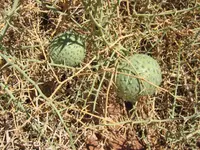
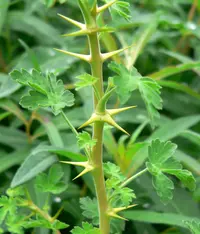
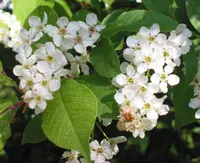
golden currant Care (Ribes aureum)

golden currant

About golden currant

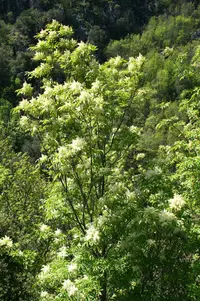
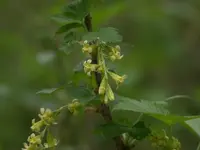
Golden currant (Ribes aureum) is a hardy, deciduous shrub grown for its fragrant spring flowers, edible berries, and attractive seasonal foliage. It typically forms a rounded, branching shape and fits well in mixed borders, wildlife gardens, and informal hedges.

This species is native to North America, where it grows in prairies, open woods, and stream banks. It adapts to a wide range of soils and climates, which makes it straightforward to care for golden currant in most home gardens.

Golden currant usually prefers full sun to light shade and moderately moist, well-drained soil. Its toughness and low maintenance needs make it suitable for beginner and intermediate gardeners.

Main Plant Requirements

Care Difficulty

Easy Care

Light Preference

Full Sun

Water Requirements

Moderate Water

Temperature Preference

Cold Hardy

Hardiness Zone

3–8

Soil Texture

Sandy, Loamy, Clay

Soil pH

Acidic (5.5–6.5), Slightly acidic (6.5–7.0)

Soil Drainage

Moist but well-drained

Fertilization

Minimal (feed rarely)

Get Personalized Care Plan

Scan your plant to receive care tips personalized for your specific plant

Available on iOS and Android

How to Care for the golden currant

Ribes aureum prefers full sun but also performs reliably in light shade, especially in hotter regions.

  • Provide 6–8 hours of direct sun daily; in hot summers, prioritize morning sun with light afternoon shade to protect leaves from scorch.
  • In regions with strong summer sun, use filtered light from high tree canopies or a west-facing spot with 2–4 hours of shade after 2 pm.
  • In cooler climates, choose an open south or west exposure; insufficient light leads to fewer flowers and reduced golden currant fruiting.

This shrub prefers evenly moist, well-drained soil and copes better with brief dryness than prolonged saturation.

  • Before watering, let the top 3–5 cm of soil dry; then water deeply so moisture reaches the full root zone, not just the surface.
  • During the first 1–2 growing seasons, monitor closely in dry spells and water when leaves begin to lose gloss or lower leaves droop slightly.
  • Ensure soil drains freely; persistent soggy conditions, yellowing leaves, and soft stems indicate overwatering, while crisp leaf edges and premature leaf drop suggest underwatering in Ribes aureum.

This species is a cold-hardy shrub that thrives in climates with cool to cold winters and moderate summers.

  • Active growth is strongest around 55–75°F (13–24°C), with flowering and fruiting supported by cool spring conditions rather than intense heat.
  • The plant tolerates winter lows near -20°F (-29°C) once established, and normal frosts do not harm dormant wood or flower buds in most seasons.
  • In summer, it handles up to about 90°F (32°C) if soil moisture is maintained; prolonged hotter spells benefit from mulch and some afternoon shade.

Humidity is not a significant factor for Ribes aureum, which suits most outdoor conditions in English-speaking regions.

Ribes aureum prefers moderately fertile, well-structured mineral soil that drains freely yet retains some moisture.

  • Aim for a loamy or sandy-loam texture with 20–30% organic matter from compost or well-rotted manure.
  • Ensure drainage is rapid but not extreme; avoid sites where water stands longer than 2–3 hours after rain.
  • Target a soil pH of 6.0–7.5; amend very acidic soils with garden lime and very alkaline soils with organic matter.
  • Improve aeration and structure in compacted clay by incorporating coarse sand or fine gravel plus compost through the top 20–30 cm.

This species can grow in large containers outdoors if given sufficient root volume and stable conditions.

  • Choose a container at least 40–50 cm deep and wide so the root system can anchor the shrub against wind rock.
  • Use a heavy, non-tipping pot material or add bricks at the base to stabilize the container as the shrub gains height.
  • Position the pot where runoff can escape freely, as the shrub dislikes prolonged saturation of the lower root zone in saucers or trays.

Ribes aureum is a modest feeder that benefits from light nutrition in poor or depleted soil.

  • Apply a balanced slow-release fertilizer (around 10-10-10 NPK) in early spring as new growth starts.
  • In richer soils, use a thin layer of compost around the root zone instead of granular products.
  • Feed once per growing season; avoid additional doses unless foliage shows clear nutrient deficiency.
  • Skip feeding in late fall and winter, and always follow label rates or use at 1/2 strength in containers.

Pruning supports healthy structure and flowering in Ribes aureum without demanding intensive work.

  • Carry out main pruning in late winter or very early spring before bud break.
  • Remove dead, damaged, crossing, or very crowded branches using clean, sharp bypass pruners or loppers.
  • Thin some of the oldest stems at the base to encourage vigorous new shoots and better bloom.
  • Lightly shorten overly long shoots after flowering to refine shape while preserving flower buds.

Golden currant is usually grown in the ground, so care focuses on timely transplanting rather than frequent repotting.

  • Transplant young shrubs in early spring or fall when temperatures are mild and soil is workable.
  • Look for signs like slow growth, roots circling a nursery pot, or a plant that dries out very quickly.
  • Move the shrub into a hole 2–3x wider than the root ball, keeping the original soil level unchanged.
  • Water deeply after planting, then keep soil evenly moist for several weeks to limit transplant shock.

Ribes aureum is commonly propagated to expand hedges or replace older shrubs.

  • Take semi-ripe cuttings in mid to late summer and root them in a moist, well-drained, low-peat mix.
  • Use hardwood cuttings in late fall to winter, inserting pencil-thick shoots into outdoor nursery beds.
  • Sow stratified seeds in fall outdoors or after 2–3 months of cold, moist treatment in a refrigerator.
  • Layer flexible low branches in spring by pegging them into soil until roots form, then sever and transplant.

This shrub is cold hardy in much of North America and usually needs only minimal winter care.

  • In the ground, Ribes aureum tolerates typical winter frosts in its hardiness range without extra covering.
  • Apply a 5–8 cm mulch layer around the base in late fall to moderate soil temperature and moisture swings.
  • For container plants, move pots to a sheltered, unheated area to prevent root damage from repeated freeze–thaw cycles.

Care Tips

Renewal cane management

Every winter, remove the oldest, darkest canes at ground level and keep a mix of 1–3 year-old stems so the shrub maintains strong flowering and fruiting wood without becoming congested.

Airflow-focused spacing

When planting a row, space shrubs 1.2–1.5 m apart and keep the center of each plant open to reduce foliar diseases such as powdery mildew by improving air movement through the canopy.

Mulch to protect roots

Apply a 5–8 cm layer of wood chip or bark mulch over the root zone, keeping it 5–8 cm away from the stems, to stabilize soil moisture, moderate temperature swings, and prevent mower or trimmer damage to the base.

Targeted bird management

In areas with heavy bird pressure on ripening fruit, use lightweight bird netting supported on simple hoops or stakes and secure it tightly at the base so birds cannot enter from underneath.

Timed rejuvenation pruning

Every 4–5 years, thin out roughly one-third of the oldest stems across the whole shrub to gradually rejuvenate the framework, which keeps plants productive and simplifies long-term caring for golden currant.

Common Pests and Diseases

Currant aphids

This pest sucks sap from young shoots and leaves, causing curling, distortion, and sticky honeydew that can lead to sooty mold. Symptoms include clustered soft-bodied insects on shoot tips and leaf undersides.

Solution

Prune off heavily infested shoot tips and dispose of them, then spray the remaining foliage with a strong stream of water to knock off aphids. If needed, apply insecticidal soap or a horticultural oil labeled for edible shrubs, coating leaf undersides and repeating at 7–10 day intervals until populations decline.

Currant blister aphid

This pest causes blistered, puckered, or red/yellow discolored patches on leaves, usually early in the season. These insects live on the undersides of affected leaves inside the blisters, protected from many contact sprays.

Solution

Remove and destroy the most distorted early leaves to reduce the population and improve appearance. Where infestations are recurring, use dormant or early spring horticultural oil to target overwintering stages and encourage beneficial insects by limiting broad-spectrum insecticides.

Currant fruit fly

This pest lays eggs in developing berries; larvae feed inside, causing soft, discolored, prematurely dropping fruit. Symptoms include small puncture marks on berries and maggots inside damaged fruit.

Solution

Collect and destroy all infested and fallen berries promptly to break the life cycle. In areas with known fruit fly problems, use fine mesh netting over bushes before flowering finishes, and consider yellow sticky traps nearby to monitor adult activity.

Currant leaf spot

This disease produces small dark brown to black spots on leaves, often with yellowing and early leaf drop in mid to late summer. Symptoms include thinned foliage and weakened plants over repeated seasons.

Solution

Rake and remove fallen leaves in autumn to reduce overwintering spores and improve sanitation. Improve air circulation by pruning crowded branches, avoid overhead watering late in the day, and in high-pressure areas consider a labeled fungicide spray program starting just after leaf-out if cultural steps are not sufficient.

Powdery mildew

This disease shows as white, powdery growth on young leaves, shoots, and sometimes fruit, which can become distorted and stunted. Symptoms include reduced vigor and less fruit set in severe cases.

Solution

Prune to open the shrub center for better airflow and remove heavily infected shoots as soon as noticed. Avoid high nitrogen fertilization, water at the base rather than over foliage, and in recurrent cases use a sulfur or potassium bicarbonate fungicide labeled for currants, applied according to label directions during periods of high humidity.

Interesting Facts

Fragrant evening blooms

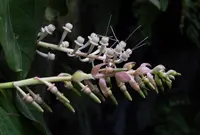
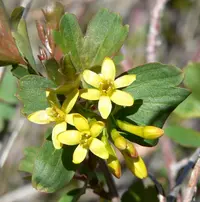
The tubular yellow flowers open in early to mid spring and release a strong clove-like scent, especially noticeable in the evening when moth pollinators are active.

Color-shifting berries

Its small berries typically ripen from green to red and finally to a deep black, providing a visible signal of ripeness to birds that disperse the seeds.

High cold tolerance

This shrub is native to continental climates of western North America and survives very low winter temperatures, making it unusually hardy for a fruiting ornamental shrub.

Botan icon

Did you know?

In the 19th and early 20th centuries, golden currant was widely used in Great Plains and western North American shelterbelt and windbreak projects because it tolerates drought, wind, and poor soils while still providing nectar for pollinators and fruit for wildlife.

FAQs about golden currant

Growth is moderate. In suitable conditions, this shrub typically adds about 20–40 cm of new growth per year, slowing as it matures. Young plants establish over several seasons before reaching close to their full size.

Grow Healthy Plants with Botan Care

Keep your plants happy and healthy with plant identification, disease detection, and easy care guidance.

Botan plant care app — identify plants on mobile

Explore More Plants