nara melon Care (Acanthosicyos horridus)

Also known as: Nara Plant, Nara, Butter Pits, Butterpips, Nara Bush
nara melon

About nara melon

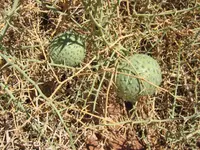
Nara melon, Acanthosicyos horridus, is a spiny, leafless desert shrub that produces large, round, melon-like fruits. It forms dense, tangled thickets with stiff, sharply pointed branches. Native to the coastal dunes and arid regions of Namibia and southwestern Angola, it is highly adapted to extreme heat, drought, and sandy soils. The plant has deep roots and stores moisture in its fruits, which supports local wildlife and people. These strong desert adaptations make it challenging to grow in typical gardens, especially in humid or cold climates. Anyone wanting to care for nara melon should understand its need for intense sun, sharp drainage, and very low, carefully controlled moisture.

Main Plant Requirements

Care Difficulty

Hard Care

Light Preference

Full Sun

Water Requirements

Low Water

Temperature Preference

Tropical / Frost Sensitive

Hardiness Zone

11–12

Soil Texture

Sandy, Rocky

Soil pH

Neutral (7.0), Slightly alkaline (7.0–7.5)

Soil Drainage

Well-drained

Fertilization

Minimal (feed rarely)

Get Personalized Care Plan

Scan your plant to receive care tips personalized for your specific plant

Available on iOS and Android

How to Care for the nara melon

This desert vine needs intense sun exposure to thrive and fruit well outdoors.

  • Provide full sun for 8–10 hours daily; nara melon performs best on open, unshaded sites such as dunes or rocky slopes.
  • Tolerates very light, early-morning shade, but consistent partial shade reduces flowering, weakens stems, and lowers fruit production.
  • In cooler or coastal climates, choose the warmest, sunniest south-facing position, ensuring no afternoon shade from buildings or shrubs, even in winter.

This species is highly drought-adapted and must stay on the dry side to remain healthy.

  • Allow soil to dry completely between waterings; in sandy ground this often means no supplemental water once roots are deep.
  • During establishment, water only when the top 10–15 cm of soil are bone dry and vines show slight limpness in the hottest part of the day.
  • Use very fast-draining, sandy soil; yellowing, swollen stems or persistent damp soil signal overwatering risk for Acanthosicyos horridus.

This plant is adapted to hot desert climates and tolerates wide temperature swings.

  • Optimal growth occurs around 80–95°F (27–35°C), with warm, dry air and strong sun.
  • Mature plants usually survive brief drops to 32°F (0°C), but foliage and young tissues can be damaged by any frost.
  • Handles extreme heat up to about 110–115°F (43–46°C) if soil is sandy and dry; in cooler regions, plant in the hottest, most sheltered microclimate.

Humidity is not a significant factor for this desert-adapted species, including nara melon, in typical home or outdoor conditions.

This species needs very loose, fast-draining, nutrient-poor soil that mimics dry coastal desert sands.

  • Use a very sandy mix, such as 70–90% coarse sand or grit with 10–30% native soil or low-organic cactus mix.
  • Ensure extreme drainage by avoiding peat and water-retentive potting substrates that hold moisture around the roots.
  • Keep pH near neutral to slightly alkaline, around 6.8–8.0, as strongly acidic conditions can stress the plant.
  • For container growing, raise the mix on a gravel layer or use a sharply sloped bed to prevent water from pooling near the root zone.

This species is generally unsuitable for long-term container growing due to its deep, extensive root system and sprawling habit.

This desert-adapted species needs very little feeding, especially in poor, sandy soils where it naturally thrives.

  • If grown in richer garden beds or large containers, use a low-dose balanced NPK or slow-release fertilizer at the start of the warm growing season.
  • Apply at 1⁄2 strength to avoid excess vegetative growth that can weaken the plant structure.
  • Skip feeding in winter dormancy; nara melon tolerates lean conditions and excess nutrients may cause root stress.

Pruning Acanthosicyos horridus is mainly done for access, safety, and plant health rather than aesthetics.

  • Carry out light pruning at the end of the cool, dry season before vigorous new growth begins.
  • Remove dead, diseased, or storm-damaged stems using long-handled loppers or a pruning saw.
  • Thin overcrowded or crossing branches only where they hinder access or airflow, keeping the plant’s natural sprawling form.
  • Avoid heavy structural cuts in a single season to reduce stress and sunscald on previously shaded stems.

This species is usually grown in the ground; any transplanting should be infrequent and carefully planned due to its deep, sensitive root system.

  • Consider moving only young plants when roots begin circling a container or growth slows noticeably.
  • Transplant in late winter to early spring, just before active growth resumes, to encourage quick re-establishment.
  • Disturb roots as little as possible; slide the plant out, keep the root ball intact, and set it at the same depth in a deep, sandy, fast-draining site.
  • Water deeply once after transplanting, then allow soil to dry between waterings to limit root rot and encourage deep rooting.

Propagation of this species is usually done by seed and can be slow and technically demanding.

  • Collect ripe seeds from fully mature fruits and clean off remaining pulp to reduce fungal problems.
  • Sow in late winter to early spring in deep pots filled with coarse, very well-drained sandy mix.
  • Provide warm temperatures around 75–85°F and strong light, keeping the substrate just slightly moist until germination.
  • Once seedlings establish a firm root system, harden them off gradually to full sun to reduce transplant shock.

Mature plants in native-like desert climates are quite drought and heat adapted but show limited frost tolerance.

  • In regions with light frost, apply a dry, coarse mulch around the root zone, keeping it slightly away from the stem base.
  • For container plants, move pots under a roofed, frost-free, high-light area before night temperatures drop near freezing.
  • Avoid winter overwatering; keep soil almost dry so roots stay healthy in cool conditions.

Care Tips

Wind exposure planning

Site plants on a slight rise or open dune where wind is strong enough to keep stems dry and reduce fungal issues, but avoid funneling wind between solid walls that can snap young vines.

Sand-mounding technique

Gradually mound clean, coarse sand 10–20 cm high around the base to encourage deep, wide-ranging roots and help stabilize the plant in shifting dune conditions.

Minimal training control

Guide young shoots with a few low, widely spaced pegs or rocks so the spiny stems spread downwind, which reduces breakage and concentrates fruiting where harvest is accessible.

Low-input weed suppression

Use a thin layer of coarse gravel or additional sand as mulch in a 60–90 cm radius to discourage weeds while still allowing rapid drainage that this species requires.

Seasonal fruit management

In the first 1–2 seasons, remove a portion of developing fruits on small plants so more energy goes into root and framework development, improving long-term success when growing nara melon.

Common Pests and Diseases

Cucurbit aphids

This pest feeds on the tender growing tips and undersides of leaves, sucking sap and causing curling, distortion, and sticky honeydew that can attract sooty mold. Infestations are most likely on young shoots of cultivated plants or plants growing near irrigated crops.

Solution

Manage by spraying affected shoots thoroughly with a strong stream of water to dislodge colonies, then treat remaining clusters with insecticidal soap or a light horticultural oil, applied in the early morning or late afternoon. Limit excess nitrogen fertilization that encourages soft, aphid-prone growth, and remove heavily infested shoot tips if practical.

Carmine spider mites

These insects are tiny sap-feeding arachnids that thrive in hot, very dry conditions, causing pale stippling on leaves, webbing on stems, and gradual yellowing or bronzing. Symptoms include slowed growth on younger plants and increased stress during heat waves.

Solution

Control by hosing down stems and foliage to disrupt webs and knock mites off, repeating several times over a week. For persistent problems, use a miticide or horticultural oil labeled for mites, applied to all plant surfaces, and reduce dust around the plant area, since dusty conditions favor mite buildup.

Scale insects

This pest appears as small, hard bumps along stems and on the undersides of tough leaves, where it feeds on sap and excretes honeydew. Over time, affected shoots may weaken and show reduced vigor, especially in cultivated or container-grown plants.

Solution

For light infestations, scrape or gently pry individual scales off stems with a cotton swab or soft brush dipped in alcohol. On larger infestations, apply a horticultural oil spray that thoroughly coats stems and leaf bases, and repeat according to label directions to target newly hatched crawlers while monitoring plant stress.

Powdery mildew

This disease produces white, powdery fungal growth on leaves and tender stems, usually under conditions of high humidity with good warmth but limited air movement. Symptoms include dull, grayish patches that can reduce photosynthesis and overall vigor if coverage becomes heavy.

Solution

Improve air circulation around the plant by thinning nearby vegetation and avoiding overhead watering in enclosed spaces, which is especially helpful for nara melon indoor care or greenhouse cultivation. Remove heavily affected leaves if few, and apply a sulfur-based or potassium bicarbonate fungicide labeled for cucurbits at the first sign of infection, repeating during favorable conditions.

Interesting Facts

Leafless photosynthetic stems

This plant has no true leaves; its green, spiny stems carry out photosynthesis, reducing water loss in the harsh Namib Desert climate.

Deep sand-root system

It anchors itself in shifting desert dunes with a deep and wide root system that accesses moisture stored in lower sand layers.

Keystone desert food

Its large, nutrient-rich fruits are an important food source for desert-adapted animals such as ostriches and jackals, which also help disperse its seeds.

Botan icon

Did you know?

The species is almost entirely confined to the coastal Namib Desert, where it can form dense, long-lived colonies that stabilize dunes and create microhabitats for many smaller plants and invertebrates.

FAQs about nara melon

Container culture is difficult but possible if the pot is very large, deep, and extremely well-drained. Use a sandy, gritty mix and expect slower growth and smaller fruit. Long taproots and size make long‑term pot culture challenging.

Grow Healthy Plants with Botan Care

Keep your plants happy and healthy with plant identification, disease detection, and easy care guidance.

Botan plant care app — identify plants on mobile

Explore More Plants