Manna Ash Care (Fraxinus ornus)

Also known as: South European Flowering Ash
Manna Ash

About Manna Ash

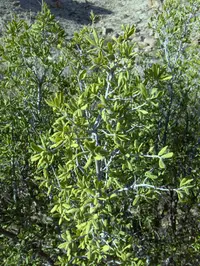
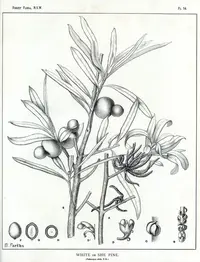
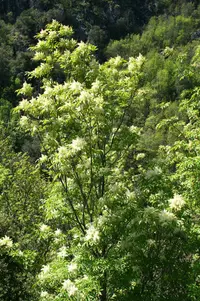
Manna ash, Fraxinus ornus, is a small to medium deciduous tree valued for its rounded crown and dense, fresh-green foliage. In late spring it produces showy clusters of creamy white, fragrant flowers that attract many pollinators. The tree is native to southern Europe and parts of western Asia, where it grows on rocky slopes and well-drained woodland soils. It adapts well to many temperate gardens and urban spaces, as long as the site is sunny and the soil is not waterlogged. These traits generally make it straightforward to care for Manna Ash for gardeners with basic tree-planting experience.

Main Plant Requirements

Care Difficulty

Moderate Care

Light Preference

Full Sun

Water Requirements

Moderate Water

Temperature Preference

Cold Hardy

Hardiness Zone

6–9

Soil Texture

Sandy, Loamy, Clay

Soil pH

Slightly acidic (6.5–7.0), Slightly alkaline (7.0–7.5)

Soil Drainage

Well-drained

Fertilization

Minimal (feed rarely)

Get Personalized Care Plan

Scan your plant to receive care tips personalized for your specific plant

Available on iOS and Android

How to Care for the Manna Ash

Fraxinus ornus grows best as a sun-loving, hardy landscape tree with some tolerance for light shade.

  • Provide 6–8 hours of direct sun daily; full sun promotes denser branching and better flowering for Manna Ash.
  • Allow light afternoon shade in hotter regions to limit leaf scorch, especially on young or newly transplanted trees.
  • In deep shade, expect sparse growth and fewer flowers; site the tree where nearby buildings or trees do not block midday sun, especially from spring to early summer.

Fraxinus ornus prefers evenly moist but not saturated soil, especially during establishment.

  • During the first 2–3 growing seasons, water when the top 5–8 cm of soil feels dry, applying a deep soak to reach the root zone.
  • Once established, rely on rainfall where possible, watering deeply only after extended dry spells when leaves begin to dull or slightly droop.
  • Avoid standing water and heavy, compacted clay; persistent soggy soil, yellowing leaves, and dieback tips often indicate overwatering or poor drainage.

This deciduous ash thrives in temperate climates with cold winters and warm summers.

  • Optimal growing-season temperatures are around 60–80°F (16–27°C), supporting steady shoot growth and flowering.
  • Mature trees tolerate winter lows near -10°F (-23°C) when fully dormant, but young specimens benefit from shelter from harsh, drying winds.
  • Heat tolerance is moderate; in stretches above 90°F (32°C), provide deep watering and mulch to keep roots cooler and limit drought stress.

This species is largely tolerant of typical outdoor humidity and rarely needs special humidity management.

This tree prefers moderately fertile, well-drained mineral soils with stable structure for long-term root health.

  • Use a loamy soil with some clay and sand that holds moisture yet drains freely, avoiding heavy compaction.
  • Aim for slightly alkaline to neutral pH, roughly 7.0–8.0, as strongly acidic soils can reduce vigor.
  • Incorporate 20–30% mature compost into the planting backfill to improve structure and moderate moisture without waterlogging.
  • Avoid poorly drained, waterlogged, or highly compacted sites; raise the planting area or install drainage if water lingers after rain.

This species can be grown in large containers for some years, but long-term culture is challenging due to size and root vigor.

  • Select a very heavy, wide container to prevent wind rock, as the canopy becomes increasingly top-heavy with age.
  • Use a deep pot that allows a strong taproot and framework roots to develop without circling tightly near the base.
  • Choose thick-walled, non-porous materials like glazed ceramic or fiberglass to slow moisture loss and reduce irrigation frequency in summer.

Fraxinus ornus usually needs minimal feeding in open ground, especially on reasonable garden soil.

  • On nutrient-poor or very sandy soils, apply a light layer of compost or well-rotted manure in early spring.
  • Where additional nutrients are needed, use a balanced slow-release fertilizer (around 10-10-10) once in spring.
  • Avoid high-strength or frequent feeding; overly rich soil encourages weak, fast growth and reduces overall resilience.
  • Do not apply fertilizer in late fall or winter, as growth should remain dormant in cold conditions.

Pruning Fraxinus ornus focuses on safety, structure, and light penetration rather than frequent shaping.

  • Carry out main pruning in late winter to very early spring, before bud break.
  • Remove dead, diseased, crossing, or storm-damaged branches first, cutting back to healthy wood.
  • Thin crowded interior branches to improve airflow and light, helping maintain a balanced crown.
  • Use clean, sharp bypass pruners or a pruning saw, making smooth cuts just outside the branch collar.

Manna Ash is usually grown in the ground, so care centers on correct transplanting of young trees rather than ongoing repotting.

  • Transplant in late fall or early spring when the tree is dormant and soil is workable.
  • Look for circling roots in nursery containers or poor growth as signals a young tree needs more space.
  • Dig a wide hole, loosening the surrounding soil, and set the root flare at soil level to limit stress.
  • Water deeply after planting, then keep soil evenly moist for the first growing season while roots establish.

Fraxinus ornus is most often propagated from seed, which requires patience and suitable conditions for germination.

  • Collect ripe seeds in fall and store them cool and dry until sowing.
  • Use cold stratification by chilling moist seeds for several weeks to break dormancy.
  • Sow seeds in a free-draining seed mix, keep evenly moist, and place in a bright, cool position outdoors or in a cold frame.
  • Allow seedlings to develop strong root systems before planting out, usually after 1–2 years.

Fraxinus ornus is cold hardy in most temperate gardens and generally needs little specific winter care once established.

  • Young or recently planted trees benefit from 5–8 cm of mulch over the root zone, kept away from the trunk.
  • In very exposed sites, use windbreak mesh or stakes to reduce branch damage from heavy snow and strong winds.
  • Container-grown specimens in colder regions should be placed in a sheltered spot and the pot wrapped to limit root freezing.

Care Tips

Early crown training

In the first 3–5 years, select 3–5 well-spaced main branches and remove steep, crossing, or duplicated shoots to build a strong, open crown that is easier to manage and less prone to storm damage later.

Trunk protection phase

For young trees in exposed sites, use a light-colored tree guard or wrap on the lower trunk for the first 2–3 winters to reduce sunscald, mower damage, and rodent chewing, checking yearly so it does not constrict the bark.

Root zone mulch ring

Maintain a 60–120 cm wide mulch ring free of turf around the base to protect shallow feeder roots, improve moisture retention, and reduce competition, but always keep mulch pulled 5–8 cm back from direct contact with the trunk.

Monitor for ash borers

Inspect the trunk and main branches 2–3 times per year for thinning foliage, dieback, D-shaped exit holes, or bark splitting, and contact a certified arborist early if signs of emerald ash borer appear, as timely treatment is critical when growing Manna Ash.

Structural pruning intervals

Schedule light structural pruning every 2–4 years rather than infrequent heavy cuts so that weak branch unions, co-dominant stems, and low temporary branches are removed gradually, reducing stress and improving long-term stability.

Common Pests and Diseases

Ash yellows

This disease is caused by a phytoplasma (bacteria-like organism) that disrupts the tree’s vascular system, leading to slow, chronic decline. Symptoms include small, yellowish leaves, thin crowns, and reduced growth over several years.

Solution

Remove and destroy severely affected trees, since there is no reliable cure and they act as sources of infection. Avoid planting new manna ash close to known infected ash trees, keep trees unstressed with proper watering and mulching, and consult local arborists for regional monitoring and recommended management when caring for Manna Ash.

Ash anthracnose

This disease is a fungal leaf blight that thrives in cool, wet spring weather. Symptoms include irregular brown blotches on leaves, distorted new growth, and premature leaf drop, often starting low in the crown.

Solution

Rake and destroy fallen leaves to reduce fungal spores, and prune out badly blighted twigs during dry weather to improve air movement through the canopy. For high‑value landscape trees with repeated severe infections, a certified arborist can time preventive fungicide sprays at bud break based on local conditions.

Emerald ash borer

This pest is an invasive beetle whose larvae tunnel under the bark, disrupting water and nutrient flow. Symptoms include canopy thinning from the top down, D‑shaped exit holes in the bark, and increased woodpecker activity.

Solution

Inspect trunks and major branches yearly for exit holes, bark splits, and canopy thinning, and contact a certified arborist promptly if suspected. In regions where this beetle is present, systemic insecticide treatments applied by professionals can protect healthy manna ash trees, while heavily infested trees are usually removed to slow spread.

Ash sawfly

These insects are caterpillar‑like larvae that skeletonize leaves, sometimes defoliating sections of the crown in late spring or early summer. Symptoms include chewed leaves with only midribs or veins remaining and clusters of green larvae feeding together.

Solution

Prune off and destroy infested small branches when damage is localized, and hose larvae off reachable foliage with a strong stream of water. On small trees, handpicking or using a soap‑based insecticidal spray can keep populations low, while encouraging birds and beneficial insects helps with long‑term control.

Scale insects

This pest group includes several ash‑feeding scale species that attach to bark or leaves and suck sap. Symptoms include clusters of small bumps on twigs, sticky honeydew, sooty mold on surfaces below the tree, and gradual decline in vigor.

Solution

On young or small trees, scrub infested twigs gently with a soft brush and water to remove scales, then prune and discard heavily infested branches. For larger trees with persistent infestations, horticultural oil applied at the correct seasonal timing can smother scale insects, ideally under guidance from a local arborist familiar with Fraxinus ornus care.

Interesting Facts

Natural manna producer

This species exudes a sugary sap called manna from wounds in its bark, which has been traditionally collected in southern Italy as a natural sweetener and mild laxative documented in pharmacopoeias.

Fragrant late blossom

Unlike many temperate trees, it flowers in late spring with dense, creamy white, strongly scented panicles that provide an important nectar source for bees after many fruit trees have finished blooming.

Adapted to dry limestone

It is naturally associated with warm, dry, limestone hillsides in southern Europe and the Balkans, showing high tolerance to thin, alkaline, stony soils where many broadleaf trees struggle to establish.

Botan icon

Did you know?

Historical records from Sicily describe specially managed orchards of manna ash where trunks were carefully incised in summer so that the crystallized sap flakes could be harvested and exported across Europe as a valued trade product for several centuries.

FAQs about Manna Ash

Lack of flowers usually comes from too much shade, heavy pruning of young shoots, or stress from drought or poor soil. Mature trees bloom more reliably when roots are undisturbed and growth is steady but not excessively vigorous.

Grow Healthy Plants with Botan Care

Keep your plants happy and healthy with plant identification, disease detection, and easy care guidance.

Botan plant care app — identify plants on mobile

Explore More Plants