Lilac Care (Syringa vulgaris)

Also known as: lilac
Lilac

About Lilac

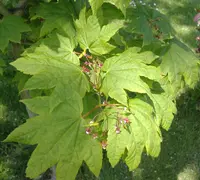
Lilac, Syringa vulgaris, is a deciduous flowering shrub known for its dense clusters of fragrant spring blossoms in shades of purple, pink, or white. It typically grows as a multi-stemmed shrub with heart-shaped leaves and a rounded, upright habit, making it a classic feature in traditional gardens and hedges.

This species originates from southeastern Europe but is widely grown in temperate regions of North America. It is considered relatively easy to grow when given full sun, well-drained soil, and moderate moisture. Its hardiness, longevity, and strong seasonal fragrance are key traits that influence how to care for Lilac in home gardens.

Main Plant Requirements

Care Difficulty

Moderate Care

Light Preference

Full Sun

Water Requirements

Moderate Water

Temperature Preference

Cold Hardy

Hardiness Zone

3–7

Soil Texture

Loamy, Sandy, Clay

Soil pH

Slightly acidic (6.5–7.0), Slightly alkaline (7.0–7.5)

Soil Drainage

Well-drained

Fertilization

Minimal (feed rarely)

Get Personalized Care Plan

Scan your plant to receive care tips personalized for your specific plant

Available on iOS and Android

How to Care for the Lilac

This shrub flowers best in full sun but tolerates some light shade.

  • Provide 6–8 hours of direct sun daily, with at least 4 hours of morning sun for strongest blooming and compact growth.
  • Allow light afternoon shade in hot summers to reduce leaf scorch and premature flower fade, especially in USDA zones 7–8 when western exposure is intense.
  • In partial shade (3–4 hours sun), expect fewer and looser flower clusters; thinning nearby trees can improve light and overall Lilac performance.

This species prefers evenly moist, well-drained soil and dislikes prolonged wetness.

  • Water deeply when the top 5–7 cm of soil feels dry, aiming for a slow soak that moistens the root zone to 20–30 cm depth, then let the surface dry again.
  • Reduce watering frequency after establishment, relying mostly on rainfall, and increase only during extended drought when leaves begin to droop slightly.
  • Ensure soil drains freely; persistent soggy soil, yellowing leaves, and soft stems indicate overwatering, while crisp leaf edges and early leaf drop suggest underwatering in Syringa vulgaris.

This cold-hardy shrub thrives in temperate climates with distinct seasons.

  • Active growth is strongest around 60–75°F (16–24°C), with good vegetative development and flower bud formation in spring and early summer.
  • Cold dormancy is essential; plants tolerate about -20°F (-29°C) once established, and winter chill below 45°F (7°C) for several weeks supports reliable blooming.
  • Mature shrubs handle short heat spells up to about 90°F (32°C) if soil moisture is stable, but repeated extremes above this can stress plants, reduce flowering next year, and increase wilting risk.

Humidity is rarely a limiting factor for Syringa vulgaris, which thrives in typical outdoor air conditions.

  • Performs well at 30–60% relative humidity commonly found in temperate outdoor climates.
  • Tolerates dry air without significant stress, provided soil moisture is appropriate.
  • Humidity stress shows mainly as edge browning during hot, dry winds; windbreaks and consistent soil moisture reduce impact.

Syringa vulgaris prefers deep, well‑structured mineral soils that drain freely yet retain moderate moisture.

  • Choose a loamy or loam‑sandy soil with moderate organic matter to balance moisture retention and aeration.
  • Aim for slightly alkaline to neutral pH around 6.8–7.8; avoid strongly acidic mixes unless limed first.
  • Incorporate compost and coarse sand or fine gravel into heavy clay to improve drainage and root oxygen access.
  • Avoid waterlogged, compacted, or peat‑heavy soils that stay wet for long periods and encourage root decline.

This species can be grown in containers for several years, but only with careful attention to root space and stability.

  • Use a tall, heavy container that resists tipping as the shrub gains height and forms a woody framework.
  • Select a pot wide enough for the root system to spread, as restricted lateral space reduces flowering performance.
  • Choose a potting mix that drains faster than typical shrub beds to offset limited evaporation from the container sides.

Syringa vulgaris benefits from modest, targeted feeding to support flowering on ordinary garden soils.

  • Apply a balanced slow-release fertilizer (such as 10-10-10) once in early spring as new growth starts.
  • Use a light topdressing of compost around the drip line to improve soil structure and nutrient availability.
  • Avoid high-nitrogen lawn fertilizers near Lilac roots, which encourage foliage over blooms.
  • Do not feed in late summer or winter; excess nutrients then can cause weak, frost-prone growth.

Thoughtful pruning keeps Syringa vulgaris flowering well and maintains a manageable shrub shape.

  • Prune just after flowering in late spring, before new flower buds set for the next year.
  • Remove dead, damaged, crossing, or inward-growing branches with clean, sharp bypass pruners or loppers.
  • Thin out a few of the oldest stems at ground level to open the center and stimulate vigorous new shoots.
  • Deadhead spent flower clusters by cutting back to a strong pair of buds to improve appearance and future bloom.

Mature common lilac is usually grown in the ground, so focus on careful site transplanting rather than frequent repotting.

  • Transplant in early spring or early fall when growth is slow and temperatures are mild.
  • Look for signs like poor vigor, congestion, or roots circling in a nursery pot as prompts for moving or upsizing.
  • Dig a wide planting hole, keeping the root ball intact, and set the shrub at the same soil depth as before.
  • Water deeply after planting, then keep soil evenly moist for several weeks to limit transplant shock and support root establishment.

Syringa vulgaris is commonly propagated by suckers, cuttings, or grafted cultivars, depending on the desired clone.

  • Lift and divide rooted suckers from the base in early spring or fall, replanting them promptly.
  • Take semi-ripe cuttings in late spring to early summer, using a rooting hormone and a free-draining, moist medium.
  • Maintain bright shade, high humidity, and steady moisture around cuttings until firm roots form.
  • Seed propagation is possible but slower and produces variable offspring, less suitable for named cultivars.

Established common lilac is cold hardy and usually needs minimal winter care in typical temperate climates.

  • Apply a 5–8 cm layer of mulch around the root zone in late fall, keeping it slightly away from the stems.
  • Avoid late-season nitrogen feeding so new shoots mature and tolerate freezing conditions better.
  • For container plants, move pots to a sheltered, unheated but frost-moderated spot and insulate the container sides.

Care Tips

Root sucker management

Inspect the base of the shrub each spring and midsummer and cut root suckers at or below soil level to prevent the plant from diverting energy away from flowering wood and to keep the shrub from spreading into unwanted areas.


Airflow-focused spacing

When planting or rejuvenating an old shrub, maintain at least 1–1.5 m of open space around the canopy so air can move freely through branches, which significantly reduces the risk of powdery mildew and bacterial blight.

Post-bloom deadhead

Right after flowering, remove spent flower clusters back to a strong pair of leaves to prevent seed formation and encourage the shrub to direct more resources into bud formation for next year.

Targeted renewal pruning

Every 2–3 years, remove 1–3 of the oldest, thickest stems at ground level in late winter to maintain a young framework of stems that flower better and keep the shrub at a manageable height, which is central to effective Syringa vulgaris plant care.

Avoid soil disturbance

Do not cultivate or dig deeply under the canopy, and instead use a thin layer of mulch to suppress weeds, because lilac roots are shallow and frequent disturbance can reduce vigor and flowering over time.

Common Pests and Diseases

Powdery mildew

This disease appears as a white, powdery coating on leaves, especially in late spring and summer during warm, dry days and cool, humid nights. Symptoms include distorted, yellowing foliage and reduced flowering over time.

Solution

Improve air circulation by thinning crowded branches and avoid overhead watering, especially in the evening. Remove and dispose of heavily infected leaves or shoots, and if the problem recurs each year, use a labeled sulfur or potassium bicarbonate fungicide early in the season following specific Syringa vulgaris care instructions.

Bacterial blight

This disease causes blackening of young shoots, leaf spots with dark borders, and wilting of new growth, often following cool, wet spring weather. Symptoms include rapid dieback of tips that can look as if they were scorched by frost or fire.

Solution

Prune out infected shoots at least 20–30 cm below visible damage during dry weather and disinfect pruning tools between cuts. Avoid overhead watering, do not fertilize heavily with nitrogen, and remove fallen infected leaves to reduce bacterial spread; in severe, recurring cases, consult local extension guidance on copper-based sprays timed to bud break.

Leaf miners

These insects live inside the leaf tissue and create pale, winding tunnels that can merge into larger blotches. Symptoms include cosmetic damage and premature yellowing of affected leaves, but overall plant health is usually maintained.

Solution

Remove and discard leaves showing fresh mines to reduce the number of larvae. Encourage natural predators, avoid broad-spectrum insecticides, and if damage is heavy on young shrubs, apply a targeted systemic insecticide according to label directions just as new growth begins.

Lilac borers

This pest is a clearwing moth whose larvae tunnel into stems, causing wilting, dieback, and broken or weak branches, often accompanied by sawdust-like frass at entry holes. Symptoms include sparse foliage and reduced vigor, particularly on older or stressed plants.

Solution

Maintain plant vigor with proper watering, mulch, and pruning to reduce stress, since borers prefer weakened shrubs. Prune out and destroy infested stems below the tunneling, and in areas with chronic problems, apply a labeled trunk spray timed to adult moth flight, based on local extension or pest monitoring information.

Leaf spot

This disease produces small brown or purple leaf spots that may merge, causing larger dead patches and early leaf drop, especially during wet seasons. Symptoms include thinning foliage and a generally tired appearance, but stems are usually not killed.

Solution

Rake and discard fallen leaves to limit overwintering spores and water at the base of the shrub rather than overhead. Increase sun and airflow by selective pruning, and in landscapes with repeated severe outbreaks, apply an appropriate foliar fungicide early in the season, repeating as label directions indicate during extended wet periods.

Interesting Facts

Fragrance from complex chemistry

The characteristic scent of common lilac comes from a mix of volatile compounds such as lilac aldehydes and lilac alcohols, which together create the sweet, slightly spicy aroma often used as a reference standard in fragrance research.

Genetic origin of flower colors

Most flower color variation in common lilac cultivars traces back to natural mutations and hybridization within this single species, which originally has predominantly lilac-purple blossoms but has given rise to white, pink, and deep purple forms.

Cold climate specialist

Common lilac forms its flower buds under cool conditions and requires substantial winter chill to bloom well, which is why it performs best in regions with cold winters and often flowers poorly in truly mild or subtropical climates.

Botan icon

Did you know?

Common lilac was so widely planted in early American settlements that some of the oldest surviving shrubs now function as historical markers, allowing archaeologists and historians to locate former homesteads and property boundaries long after buildings have disappeared.

FAQs about Lilac

Lack of flowers often comes from pruning at the wrong time, too much shade, or plants that are still immature. Remove only spent flower clusters right after flowering and avoid high‑nitrogen fertilizers that push leaves over buds.

Grow Healthy Plants with Botan Care

Keep your plants happy and healthy with plant identification, disease detection, and easy care guidance.

Botan plant care app — identify plants on mobile

Explore More Plants