







Lilac (Syringa vulgaris) Light Needs

Lilac grows best in full sun, with at least 6 hours of direct sunlight each day.

Light Preference

Full Sun

Syringa vulgaris Light Requirements

In its native southeastern European range, Syringa vulgaris grows on open slopes, rocky hillsides, and woodland edges where sunlight is strong for much of the day. These exposed habitats explain why garden plants bloom best with direct sun rather than shade. Some light shade can be tolerated, especially outside the main flowering season, but dense shade limits growth and bloom formation. Preferred light is full sun.

  • Daily sun:

    Ideal exposure: Syringa vulgaris needs about 6–8 hours of full sun daily, including at least 6 hours of direct sun for strong flowering.

  • Direct exposure:

    Established plants tolerate open sun well, including midday sun in many temperate garden settings.

  • Partial sun:

    About 4–6 hours of direct sun can sustain growth, but flowering is often lighter.

  • Shade limits bloom:

    Bright shade or dense shade is not suitable because flower bud formation depends on strong sun.

Excess light problems are uncommon, but they can appear after sudden exposure or intense reflected heat.

Bleached patches:

Leaves may develop pale tan areas on the sun-facing side after a shaded plant is moved into full sun too quickly.

Crisped surfaces:

Outer leaves can look dry or scorched where hot afternoon sun bounces off walls, pavement, or light-colored surfaces.

Midday curling:

Foliage may curl or hang during the hottest hours when container-grown Syringa vulgaris sits in harsh, exposed sun.

Flower browning:

Open flower clusters may fade and brown faster during unusually hot, intense sun.

Move the plant to morning sun with light afternoon shade, or reduce reflected heat around the pot. Increase brighter exposure gradually over 1–2 weeks.

Too little light usually shows up as weak growth and poor flowering during the active season.

  • Few blooms:

    Flower buds form poorly when the plant gets less than about 6 hours of direct sun.

  • Long spacing:

    New stems may stretch with wider gaps between leaf pairs as they reach toward brighter light.

  • Leaning growth:

    Branches can angle toward the open sky or the brightest side of the planting area.

  • Sparse interior:

    Shaded inner stems may carry fewer leaves, giving the shrub a thinner appearance.

  • Small new leaves:

    New leaves may be smaller than normal when light remains weak through spring and early summer.

Shift Syringa vulgaris to a sunnier site with longer direct exposure. Choose the brightest available position before expecting heavier bloom.

If the site cannot provide full sun, choose the brightest spot available with at least 4–6 hours of direct sun. Accept fewer flowers as the likely tradeoff.

Improve exposure by pruning or removing overhead obstruction and placing containers away from shaded walls. Rotate potted shrubs every few weeks for even growth.

Deep shade beside a building is unsuitable because it prevents strong bloom formation.

Get Personalized Care Plan

Scan your plant to receive care tips personalized for your specific plant

FAQ

The best light for Lilac is full sun, meaning at least 6 hours of direct sunlight daily. More consistent sun generally supports stronger flowering and denser growth.

More Plant Light Guides

Get the Botan App

Discover how to care for your plants with Botan.

Botan app identifying a plant with a phone camera
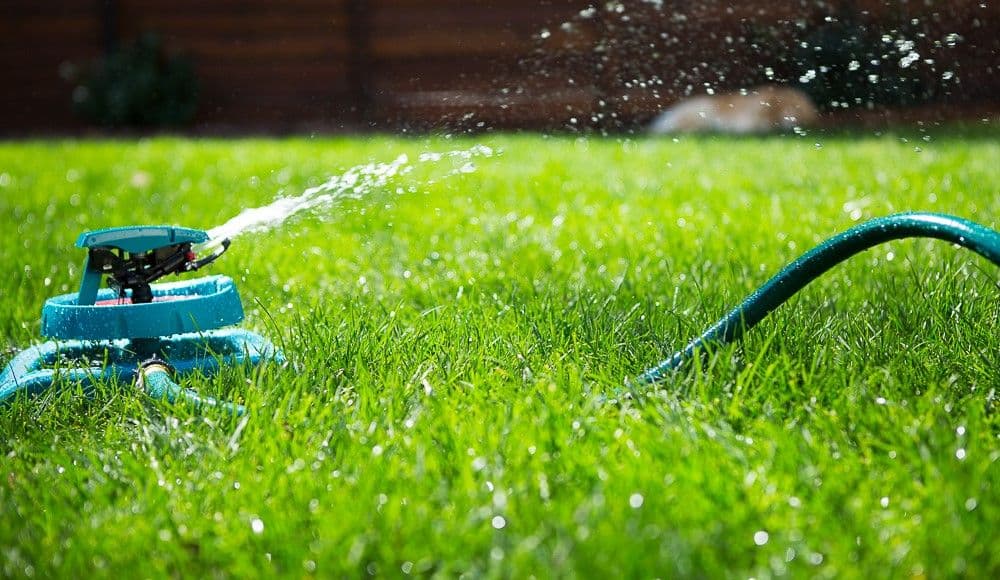
Best Time to Water Grass in Summer – Lawn Watering Tips

5 min read · 21 Jul 2026

Best Time to Water Grass in Summer – Lawn Watering Tips

Summer watering is easy to get wrong. This guide explains when to turn on your sprinkler, how much liquid your grass needs each week, and how to tell if you're overwatering or underwatering.

Plant Care
Best Time to Water Grass in Summer – Lawn Watering Tips
Can Plants Grow With Artificial Light?

6 min read · 15 Sept 2026

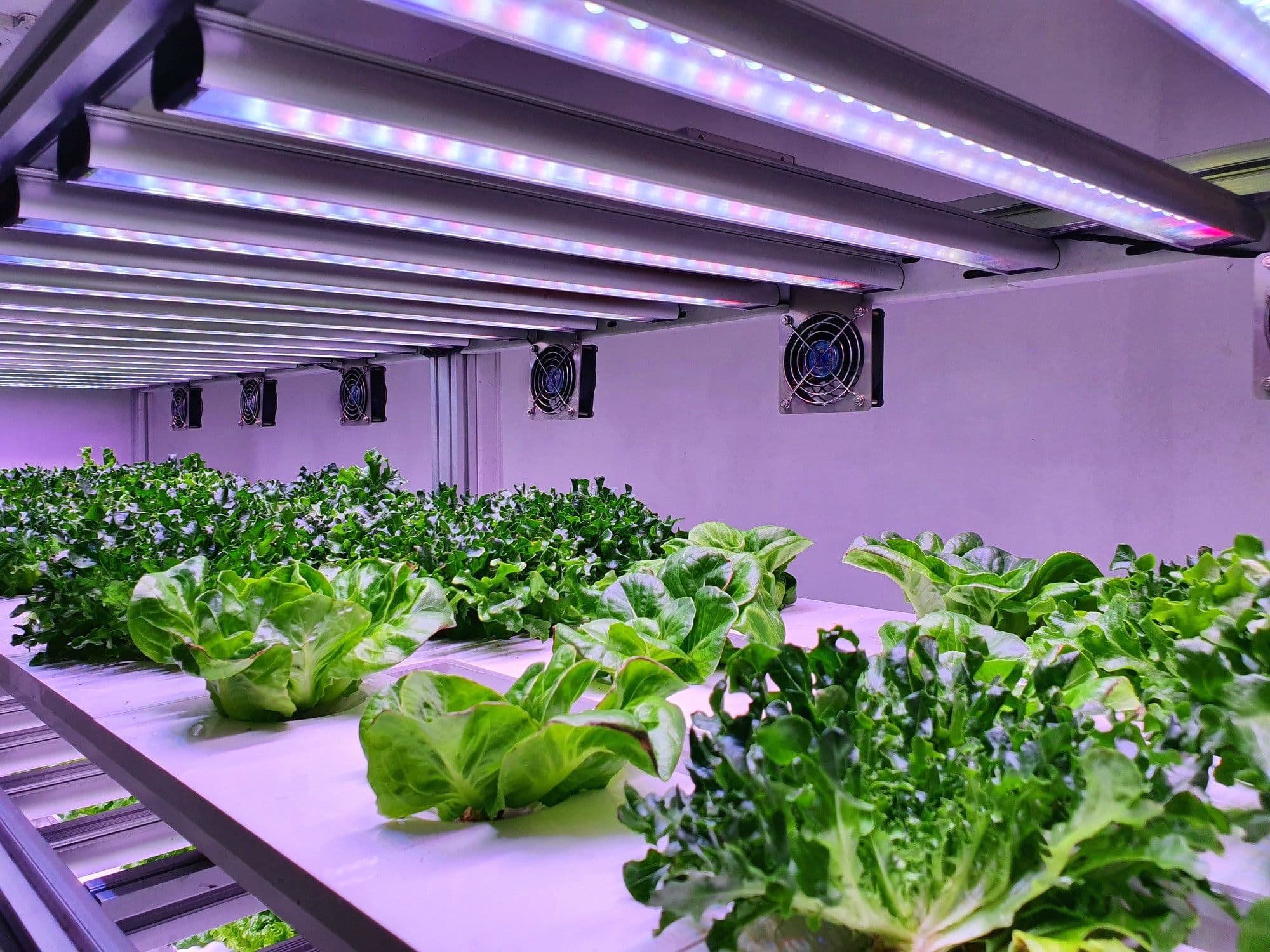
Can Plants Grow With Artificial Light?

Plants can grow under artificial light when the setup provides a suitable spectrum, enough intensity, and sufficient daily exposure. This guide explains how artificial lighting compares with sunlight, which options work indoors, and how to match a setup to houseplants.

Plant Care
Can Plants Grow With Artificial Light?
10 Easy Garden Flowers to Grow

8 min read · 10 Sept 2026

10 Easy Garden Flowers to Grow

Discover 10 garden flowers that require minimal care. Learn which characteristics make plants easy to grow and follow tips on how to create a beautiful corner from beginner-friendly blooms on your property.

Beginner Guides
10 Easy Garden Flowers to Grow