

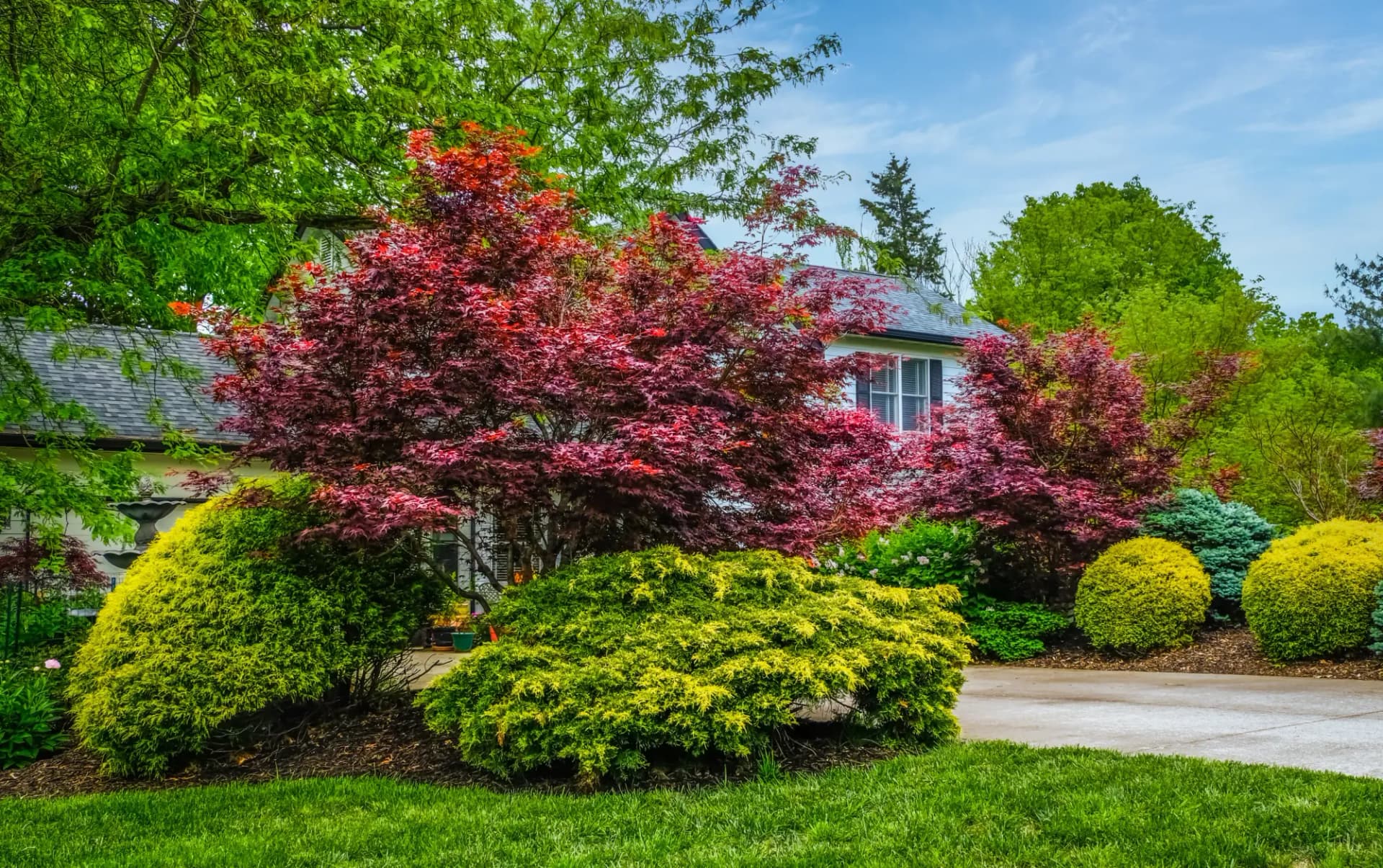
Burning bush (Euonymus alatus) Light Needs

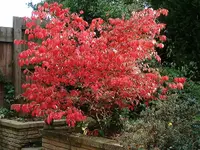
Burning bush grows best in full sun, with part sun tolerated when direct light is still strong.

Light Preference

Full Sun

Euonymus alatus Light Requirements

Euonymus alatus is native to eastern Asia, where it grows as a deciduous shrub along woodland edges, thickets, and open slopes. These sites can receive strong seasonal sun, especially before tree canopies fill in and along exposed margins.

That background explains why cultivated plants develop densest growth and strongest fall color in open light rather than shade. Preferred light is full sun.

  • Ideal exposure:

    Burning bush needs about 6–8 hours of full sun daily, including at least 6 hours of direct sun.

  • Direct sun:

    Established plants tolerate all-day sun, but newly planted shrubs benefit from gradual exposure during hot weather.

  • Part sun:

    About 4–6 hours of direct sun is tolerated, especially if light is bright for the rest of the day.

  • Shade limits:

    Deep shade is unsuitable and usually leads to open, weak growth and duller fall color.

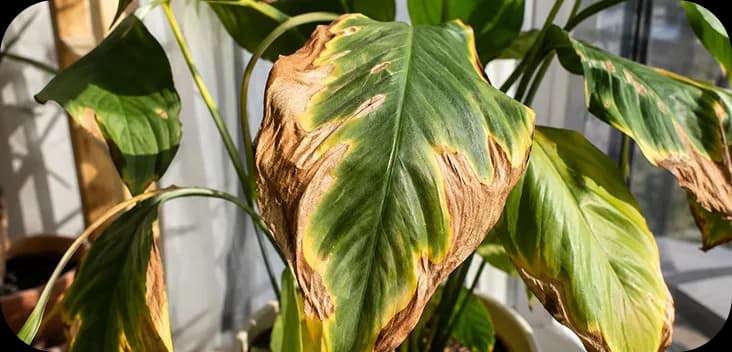
Excess sun usually appears after sudden exposure or reflected heat.

Scorched patches:

Pale tan areas may form on sun-facing leaves after a shaded shrub is moved into strong afternoon sun.

Bleached surfaces:

Leaves exposed on the outer canopy may look washed out before turning dry in the damaged spots.

Midday flagging:

Foliage may look limp during the hottest hours near pavement or walls, then improve later.

Uneven damage:

Marks often appear on the side facing the strongest sun while shaded inner leaves remain normal.

Provide temporary afternoon shade or move container-grown plants out of reflected heat. Increase direct sun again over 7–10 days, starting with morning exposure.

Low light affects shape before it causes obvious decline. Euonymus alatus is not suited to shade.

  • Sparse branching:

    New stems may grow with wider spacing, leaving the shrub open instead of dense.

  • Leaning growth:

    Shoots may angle toward the brightest side when nearby structures or trees block direct sun.

  • Duller fall color:

    Autumn color may be weaker in shade, even when the plant is otherwise healthy.

  • Small new leaves:

    New growth can be smaller and slower during the active season when light is limited.

Move container-grown plants to a brighter outdoor position, or choose a sunnier planting site if the shrub is in the ground. Aim for several hours of direct sun daily.

If the site cannot provide all-day sun, choose the brightest part-sun spot with 4–6 hours of direct light. Favor open sky over light filtered through dense shade.

Prune or reposition nearby obstacles that block midday light, and give newly exposed shrubs a short adjustment period before full afternoon sun.

A deeply shaded foundation bed is a poor choice because Euonymus alatus light needs are not met without direct sun.

Get Personalized Care Plan

Scan your plant to receive care tips personalized for your specific plant

FAQ

The best light for Burning bush is full sun, with about 6–8 hours of bright outdoor exposure daily. Part sun is tolerated, but dense shade reduces fullness and fall color.

More Plant Light Guides

Get the Botan App

Discover how to care for your plants with Botan.

Botan app identifying a plant with a phone camera
13 Best Front Yard Trees for Every Home and Yard

12 min read · 7 Aug 2026

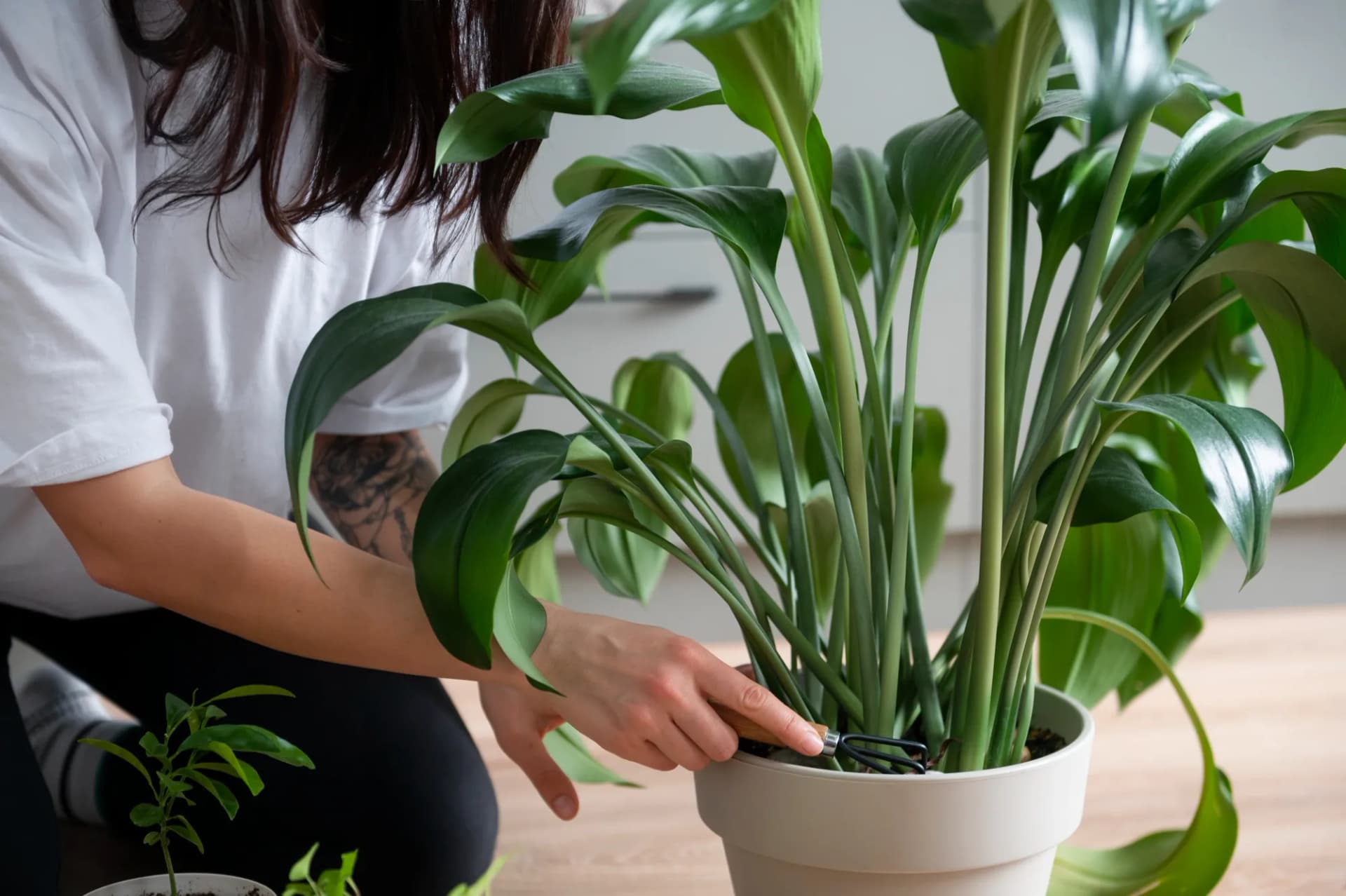
13 Best Front Yard Trees for Every Home and Yard

A front yard tree can stay for decades. Therefore, choosing one deserves serious consideration. Here are 13 trees that have proven themselves, sorted by their purpose. You'll also find five species to avoid and basic planting information.

Plant Recommendations
13 Best Front Yard Trees for Every Home and Yard
15 Best Indoor Plants for Your Home

3 min read · 13 Nov 2026

15 Best Indoor Plants for Your Home

Every plant lover has a small graveyard behind them. Here is the twist... most of those plants did not die from bad care.

Plant Recommendations
15 Best Indoor Plants for Your Home
How to Water Succulents: When, How Often, and How Much

7 min read · 18 Nov 2026

How to Water Succulents: When, How Often, and How Much

Yellowing, mushy, or shriveled leaves can all point to a watering problem, yet each can have a different cause. This guide explains how to water succulents, when to wait, and how soil, pots, and seasons change the routine.

Plant Care
How to Water Succulents: When, How Often, and How Much