





Best Soil for Burning bush (Euonymus alatus)

Euonymus alatus grows best in soil with balanced texture, reliable drainage, and a slightly acidic reaction that supports steady root health.

Soil Texture

Sandy, Loamy, Clay

Soil pH

Acidic (5.5–6.5), Slightly acidic (6.5–7.0)

Soil Drainage

Well-drained

Euonymus alatus Soil Guide

Native to eastern Asia, Euonymus alatus grows as a woody shrub in open woodland edges and thickets. That background explains its preference for well-drained soil that still holds some moisture, rather than ground that stays soggy or dries out very fast.

It adapts to sandy, loamy, and even clay-based soils if drainage is good and the root zone has enough air. The best soil for Burning bush is slightly acidic to acidic, with enough structure and organic content to support steady rooting and even moisture.

A simple homemade blend works well when standard bagged soil feels too heavy or compact for Euonymus alatus. The goal is a balanced mix that drains cleanly but still has body.

100% total mix = 20 scoops
10%
perlite or pumice2 scoops
20%
coarse sand4 scoops
30%
compost or aged bark fines6 scoops
40%
loam-based garden soil8 scoops

When mixed, it should feel crumbly and slightly gritty, hold together lightly in the hand, and let excess moisture move through without staying waterlogged.

A good target is 5.5–7.0 pH, with the strongest preference in slightly acidic soil. Burning bush generally performs well in that range because key nutrients remain available without becoming overly restricted.

If the soil drifts much higher or lower, nutrient uptake can become less efficient even when the soil looks otherwise acceptable. A mildly acidic reaction usually supports the most balanced root environment for steady growth.

This species tolerates several soil textures, but root conditions can still create stress. Check the root zone before assuming a visible issue has a single cause.

Soggy root zone:

Soil that stays wet for long periods can reduce oxygen around the roots, so loosen the planting area or switch to a faster-draining mix.

Hard, compacted soil:

If water sits on the surface or roots seem slow to spread, gently work in coarse material and organic matter to improve structure.

Dry, shrinking mix:

When the soil pulls away from the container sides, rehydrate it gradually and check whether the mix has become too coarse or depleted.

Surface crusting:

A tight crust can slow air and water movement, so lightly break the top layer and refresh it with a more open-textured material.

Right Plant. Right Soil.

Botan helps match this plant to a more suitable soil setup by combining plant ID with clear, practical care guidance.

FAQ

Often yes. If native ground is very compact, drains slowly, or is mostly sand, improve the planting area so roots can spread more evenly and excess moisture does not linger around the base.

Everything About Burning bush

More Plant Soil Guides

Is Your Soil the Problem?

Soil may be one factor behind visible decline. Botan’s photo-based assessment can help you decide what to check next.

Botan app helping with soil and plant care
What Do Plants Need to Grow – 5 Things Every Greenery Can't Live Without

8 min read · 31 Jul 2026

What Do Plants Need to Grow – 5 Things Every Greenery Can't Live Without

To keep plants healthy and thriving, provide the right balance of light, humidity, nutrients, airflow, and quality soil. This guide covers the essentials of year-round plant care.

Beginner Guides
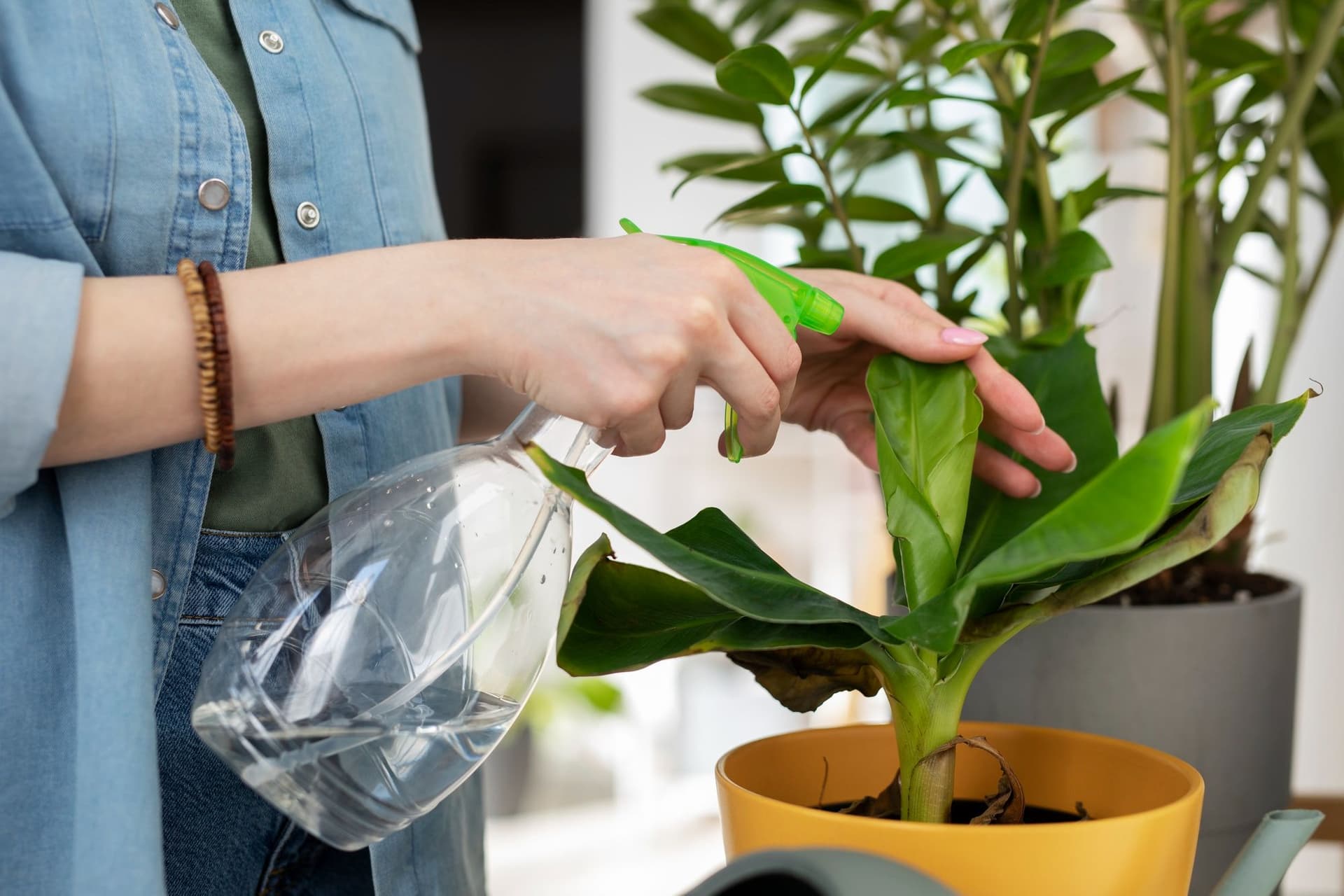
What Do Plants Need to Grow – 5 Things Every Greenery Can't Live Without
How to Mist Plants – Proper Technique and Common Mistakes

7 min read · 30 Jul 2026

How to Mist Plants – Proper Technique and Common Mistakes

Find out when misting works well and when to avoid it. Here, you’ll find detailed information about compatible and incompatible species, tips on how often to mist plants and do it correctly, and some great alternatives for raising humidity.

Beginner Guides
How to Mist Plants – Proper Technique and Common Mistakes
Best Fertilizer for Grass in Summer: How to Choose the Right One

6 min read · 18 Aug 2026

Best Fertilizer for Grass in Summer: How to Choose the Right One

The right fertilizer in summer can make a lawn thrive. The wrong one can damage it. Here, you’ll learn the best NPK ratios by grass type, when and how to apply your formula, and how to recognize the signs of over- or under-fertilizing.

Plant Care
Best Fertilizer for Grass in Summer: How to Choose the Right One