





Best Soil for Rose of Sharon (Hibiscus syriacus)

Hibiscus syriacus grows best in soil with balanced texture, good drainage, and a slightly acidic reaction that supports steady root development.

Soil Texture

Sandy, Loamy, Clay

Soil pH

Acidic (5.5–6.5), Slightly acidic (6.5–7.0)

Soil Drainage

Moist but well-drained

Hibiscus syriacus Soil Guide

Native to eastern Asia, Hibiscus syriacus grows best in soil that holds some moisture but still drains freely. It adapts to sandy, loamy, and even clay-leaning ground when the structure stays open enough for air to reach the roots.

This shrub forms a woody root system rather than bulbs or tubers, so steady moisture and oxygen in the root zone matter more than very rich soil. The best soil for Rose of Sharon is slightly acidic to acidic, with enough body to stay evenly moist without becoming dense or waterlogged.

A simple homemade mix can give Hibiscus syriacus the balance of drainage and moisture control it needs in containers.

100% total mix = 20 scoops
15%
coarse sand3 scoops
20%
perlite or pumice4 scoops
25%
compost or aged pine bark fines5 scoops
40%
all-purpose potting soil8 scoops

The finished blend should feel crumbly and open, hold some moisture, and let extra water pass through without staying heavy.

Rose of Sharon grows well in slightly acidic to mildly acidic soil, with a good target range of about 5.5–7.0 pH. That range helps roots access key nutrients without making them harder to absorb.

It can handle some variation, but staying near the middle of that range usually supports steadier nutrient availability and more consistent growth.

This species is fairly adaptable, but root stress can still develop when soil structure shifts too far in one direction.

Compacted soil:

Dense soil can slow establishment and keep roots from spreading well; gently loosen the surface and improve structure with coarse organic material.

Waterlogged root zone:

If the soil stays wet for long periods or smells stale, increase drainage and reduce anything that keeps the root area saturated.

Soil drying too fast:

Very loose mixes may lose moisture too quickly in warm weather; add more moisture-holding material so Rose of Sharon roots stay evenly supported.

Crusted surface:

A hard top layer can block water from soaking in evenly; break it up lightly so moisture can move into the root zone more consistently.

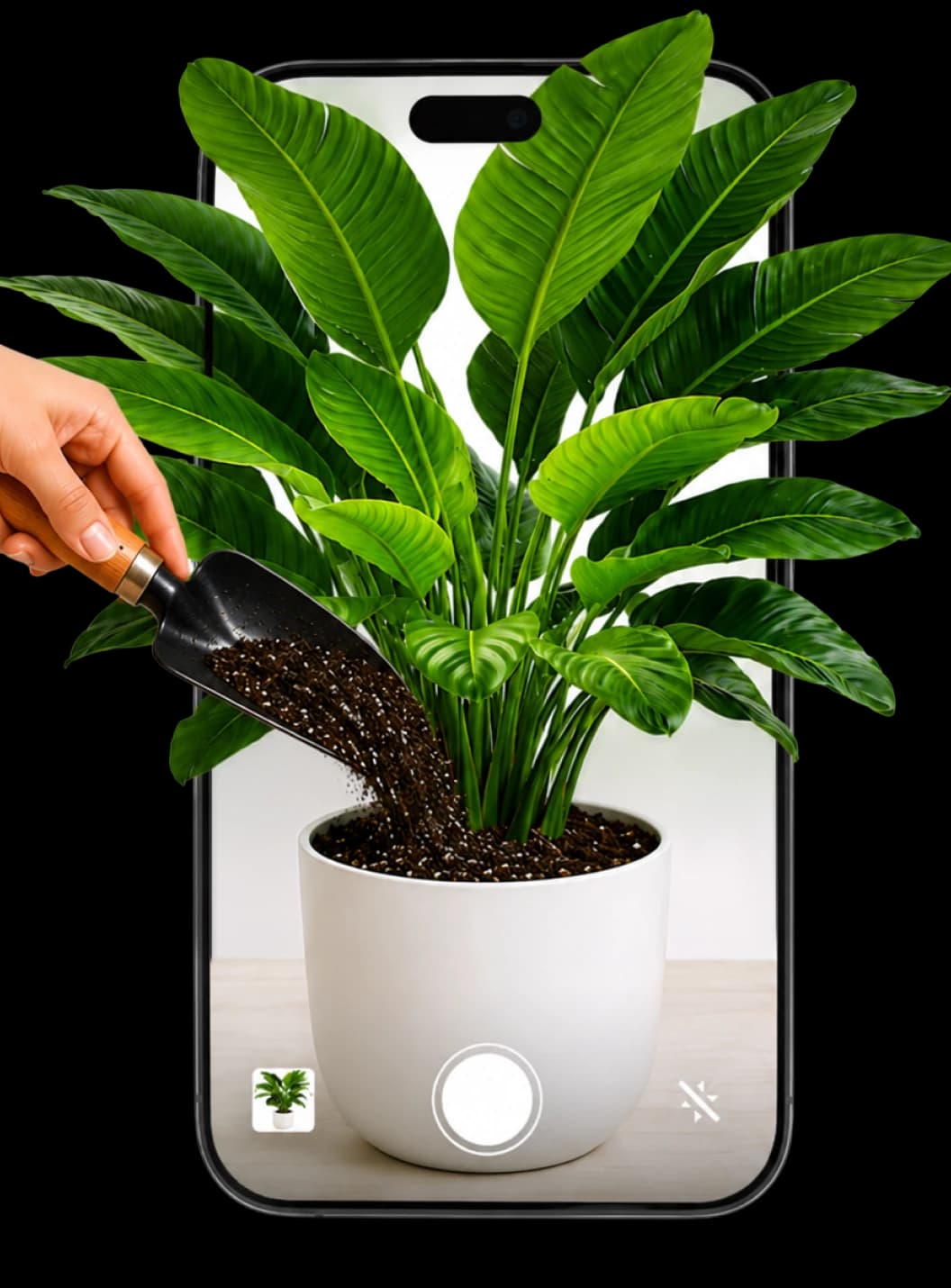
Scan. Match. Grow.

Botan helps identify the plant and guides better soil choices based on how it grows, so the root zone suits its natural needs.

FAQ

Yes. A deeper pot gives the root system more room to develop and helps moisture stay more even from top to bottom, which usually creates more stable soil conditions than a shallow container.

Everything About Rose of Sharon

More Plant Soil Guides

Is Your Soil the Problem?

Soil may be part of the issue. A photo-based check in Botan can help determine whether the growing medium is worth a closer look.

Botan app helping with soil and plant care
Best Time to Mow Lawn – A Complete Guide

5 min read · 10 Aug 2026

Best Time to Mow Lawn – A Complete Guide

Explore when to mow your lawn for its health and a pleasant green color. Find out the best time for this task during the summer heat, and follow practical tips for correctly cutting the grass, and learn common mistakes to avoid.

Plant Care
Best Time to Mow Lawn – A Complete Guide
Plants That Repel Mosquitoes – 10 Effective Choices

8 min read · 6 Jul 2026

Plants That Repel Mosquitoes – 10 Effective Choices

Plants that repel mosquitoes can help mask human scent naturally and make outdoor spaces more comfortable. Explore the most effective options, their benefits and drawbacks, and choose the right plant for your space.

Plant Recommendations
Plants That Repel Mosquitoes – 10 Effective Choices
Frozen vs Fresh Vegetable Nutrients: Which Option Is Healthier?

6 min read · 8 Sept 2026

Frozen vs Fresh Vegetable Nutrients: Which Option Is Healthier?

Frozen and fresh vegetables are nutritionally comparable: frozen produce often retains vitamins just as well as fresh and may sometimes contain more. Here’s how blanching and storage affect nutrients—and when to choose each.

Plant Recommendations
Frozen vs Fresh Vegetable Nutrients: Which Option Is Healthier?