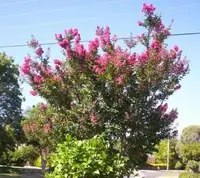
Best Soil for Crepe myrtle (Lagerstroemia indica)

Lagerstroemia indica grows best in soil with good drainage, balanced texture, and slightly acidic conditions that support steady root development.

Soil Texture

Sandy, Loamy, Clay

Soil pH

Acidic (5.5–6.5), Slightly acidic (6.5–7.0)

Soil Drainage

Well-drained

Lagerstroemia indica Soil Guide

Native to parts of Asia, Lagerstroemia indica grows best in soil that drains well but still holds some moisture around the roots. Its preference for sandy, loamy, or even lighter clay soils reflects a plant that handles varied textures when air and water move through the root zone evenly.

The best soil for Crepe myrtle is loose enough for root spread and oxygen flow, yet substantial enough to avoid drying too fast. Slightly acidic to acidic conditions also suit how it takes up nutrients. Rich, heavy, constantly wet soil is less suitable than open, well-structured Crepe myrtle soil.


A homemade mix can give Lagerstroemia indica the balance of structure and drainage that container roots need without becoming heavy.

100% total mix = 20 scoops
15%
coarse sand3 scoops
20%
perlite or pumice4 scoops
25%
pine bark fines5 scoops
40%
high-quality potting soil8 scoops

The finished blend should feel crumbly and open, hold light moisture evenly, and let excess water pass through at a steady pace.

A slightly acidic to acidic range of about 5.5–7.0 suits Crepe myrtle well, with 6.0–6.5 often being a practical target. In that range, key nutrients stay more available to the roots.

If pH drifts too far above or below that zone, the plant may have a harder time taking up nutrients even when they are present in the soil. This species shows reasonable tolerance within that mildly acidic range.

Most soil-related issues develop gradually and are worth checking early. Crepe myrtle generally handles heat well but responds poorly to roots staying stressed for long periods.

Compacted soil:

Compacted soil: Water lingers at the surface or runs off quickly, so gently loosen the top layer and improve air space around the root zone.

Waterlogged root zone:

Waterlogged root zone: Soil stays heavy and wet for too long, so check drainage first and move the plant into a faster-draining mix if needed.

Dry, hard soil:

Dry, hard soil: The root area may shrink from the pot edge or resist moisture, so rewet the mix slowly and evenly instead of flooding it.

Nutrient lockout:

Nutrient lockout: Growth may weaken when pH is off, so test the soil and correct it gradually rather than making large adjustments at once.

Match Plant to Soil

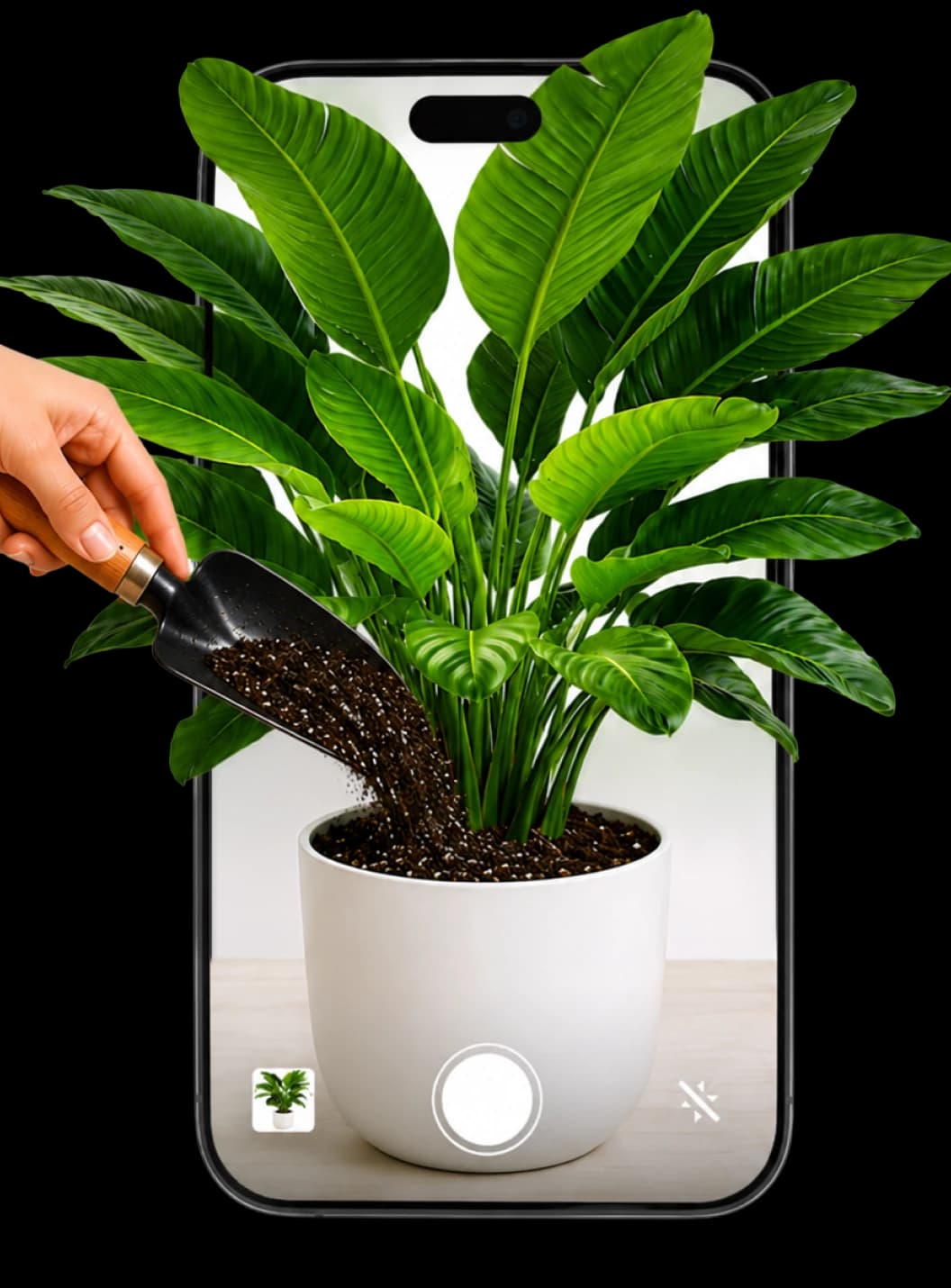
Botan helps match this plant to a more suitable soil setup based on how it grows and the conditions around its roots.

FAQ

Yes. A pot with enough depth helps roots spread more evenly and keeps the soil mass from drying too fast at the surface. Depth also improves stability as the top growth gets larger.

Everything About Crepe myrtle

More Plant Soil Guides

Soil Problem? Scan It.

Use Botan’s photo-based assessment to check whether soil conditions may be part of the problem and what to review next.

Botan app helping with soil and plant care
10 Easy Garden Flowers to Grow

8 min read · 10 Sept 2026

10 Easy Garden Flowers to Grow

Discover 10 garden flowers that require minimal care. Learn which characteristics make plants easy to grow and follow tips on how to create a beautiful corner from beginner-friendly blooms on your property.

Beginner Guides
10 Easy Garden Flowers to Grow
13 Best Front Yard Trees for Every Home and Yard

12 min read · 7 Aug 2026

13 Best Front Yard Trees for Every Home and Yard

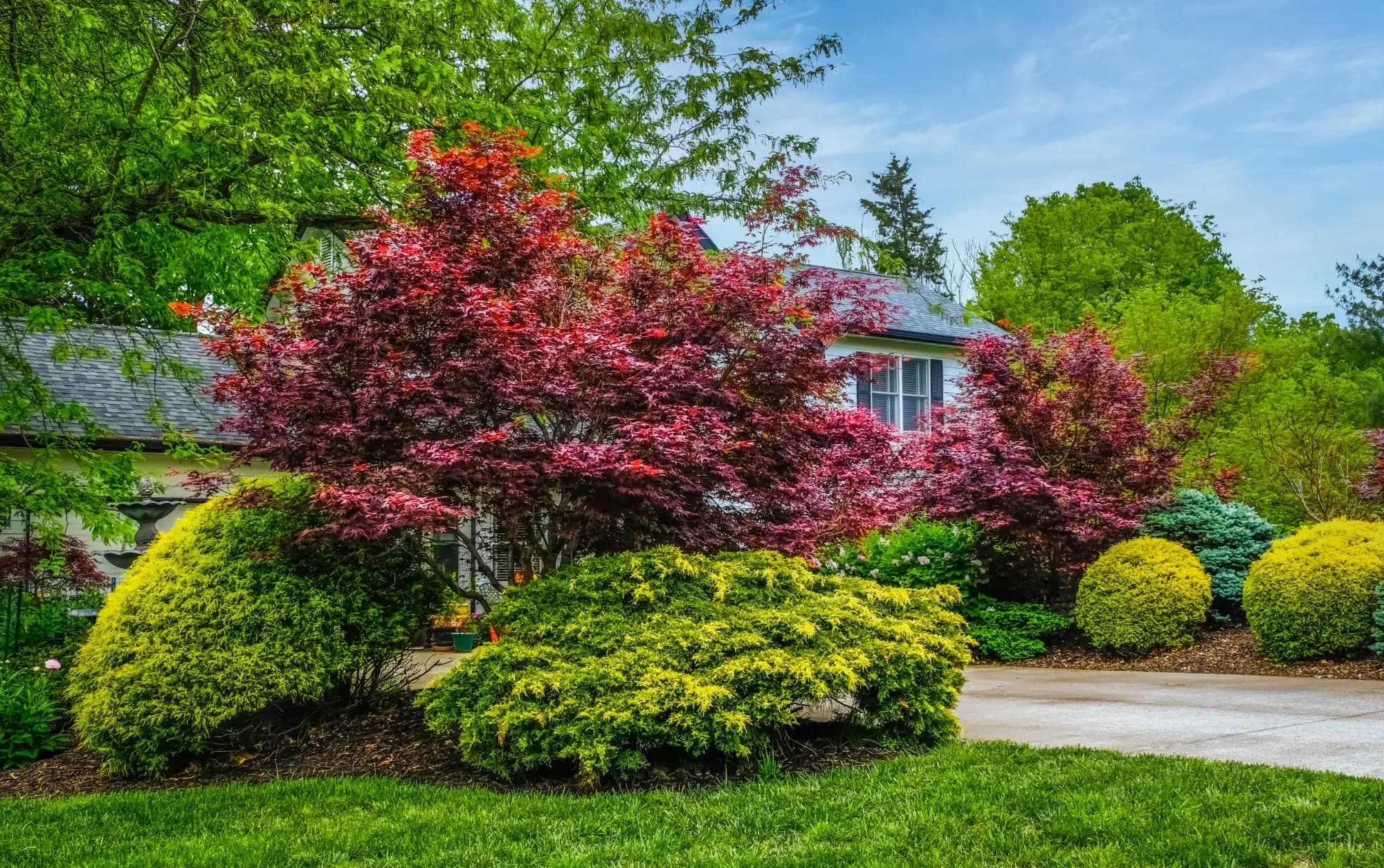
A front yard tree can stay for decades. Therefore, choosing one deserves serious consideration. Here are 13 trees that have proven themselves, sorted by their purpose. You'll also find five species to avoid and basic planting information.

Plant Recommendations
13 Best Front Yard Trees for Every Home and Yard
Thorny Plants: A Comprehensive Guide

10 min read · 25 Aug 2026

Thorny Plants: A Comprehensive Guide

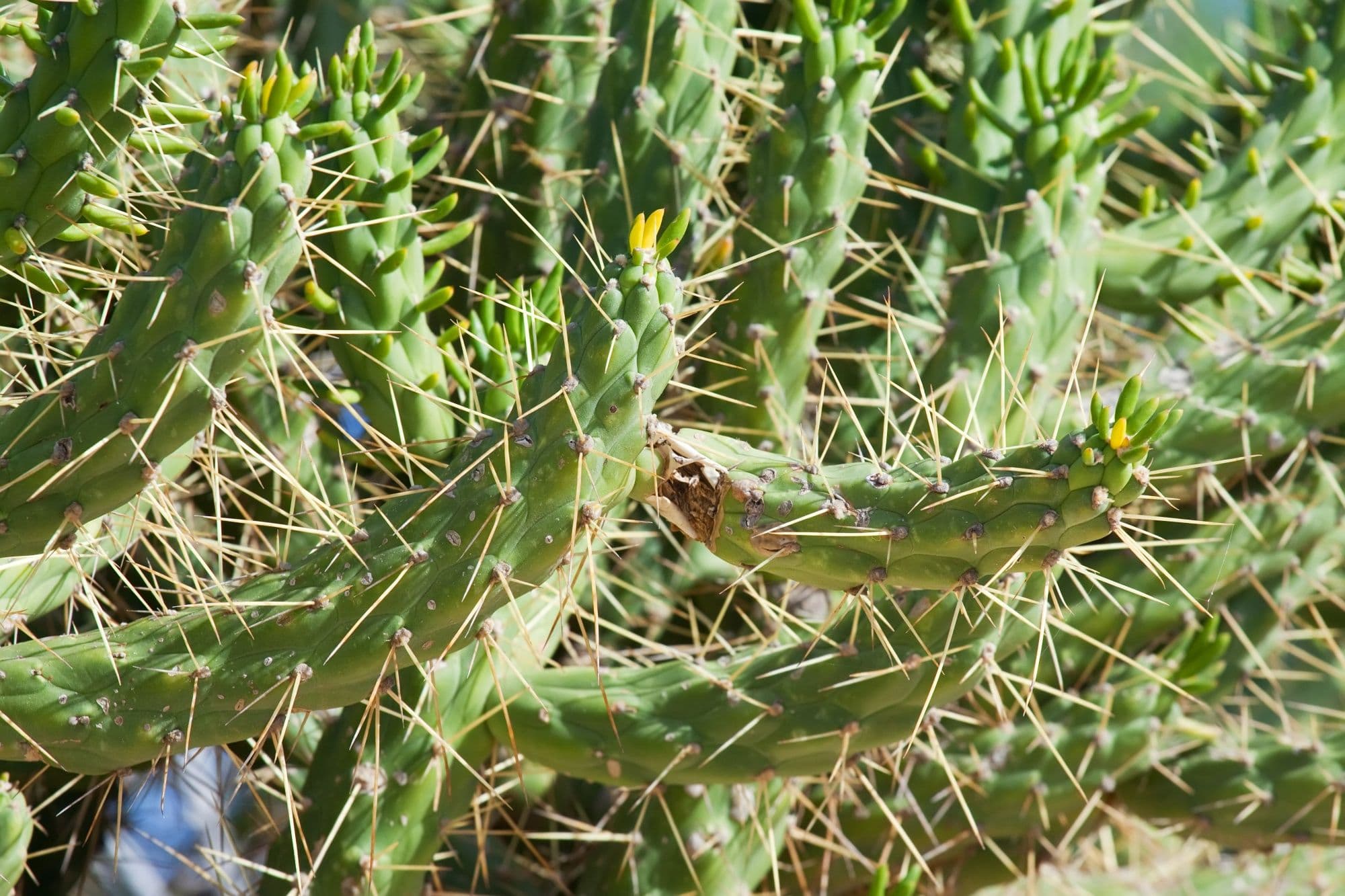
Many plants defend themselves with sharp thorns. This guide explores over 20 examples among flowers, shrubs, trees, and vines. You'll learn what each plant looks like, why it grows thorns, and how to quickly identify them.

Plant Recommendations
Thorny Plants: A Comprehensive Guide