



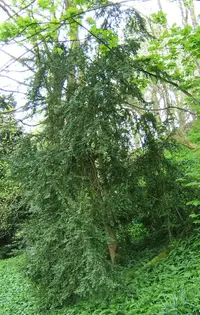
Best Soil for Loquat (Rhaphiolepis bibas)

Rhaphiolepis bibas grows best in loose, well-drained, slightly acidic soil that supports steady root growth without staying heavy around the roots.

Soil Texture

Sandy, Loamy, Organic-rich

Soil pH

Acidic (5.5–6.5), Slightly acidic (6.5–7.0)

Soil Drainage

Well-drained

Rhaphiolepis bibas Soil Guide

Native to southeastern China, Rhaphiolepis bibas comes from warm areas where soil is often loose, fertile, and drains freely after rain. That background helps explain why Loquat soil should hold some moisture and nutrients without staying wet or compacted.

A sandy or loamy texture with plenty of organic matter suits its root system, which benefits from air in the soil and steady access to moisture. The best soil for Loquat is well-drained and slightly acidic to acidic, supporting healthy root function and steady growth.

A simple homemade mix helps control texture and drainage more precisely for Rhaphiolepis bibas in containers or raised beds.

100% total mix = 20 scoops
15%
perlite or pumice3 scoops
20%
coarse sand4 scoops
25%
pine bark fines5 scoops
40%
high-quality potting soil8 scoops

The finished blend should feel crumbly and open, hold light moisture, and let excess water move through quickly.

Loquat prefers slightly acidic to mildly acidic soil, with an ideal range around 5.5–7.0 pH. Within that range, key nutrients such as iron, manganese, and phosphorus stay more available to the roots.

A near-neutral reading is usually tolerated if drainage and structure are good, but strongly alkaline soil can gradually limit nutrient uptake. Testing once in a while helps confirm that the root zone stays in a workable range.

Most soil-related setbacks develop gradually. For Loquat, the first step is usually checking root-zone conditions instead of assuming one single cause.

Compaction:

Compaction: Soil that feels hard or crusted can limit air around roots, so gently loosen only the surface and review whether the mix has become too dense.

Poor drainage:

Poor drainage: If the root area stays wet for long periods or the container drains slowly, reduce moisture-holding material and confirm water can exit freely.

Low organic matter:

Low organic matter: Soil that dries unevenly and loses structure quickly may need fresh organic content mixed into the top layer or root zone.

Salt buildup:

Salt buildup: A pale crust on the surface can come from mineral accumulation, so flush the soil thoroughly and avoid letting residues concentrate over time.

Find the Right Soil

Botan helps match this plant to a more suitable soil setup based on how it is growing in your space.

FAQ

Yes. Drainage holes are important because they let excess water leave the container and keep the root zone better aerated. Without them, even a good mix can stay too wet for too long.

More Plant Soil Guides

Scan for Soil Problems

Use Botan’s photo-based assessment to check whether a visible issue may be linked to soil conditions and decide what to review next.

Botan app helping with soil and plant care
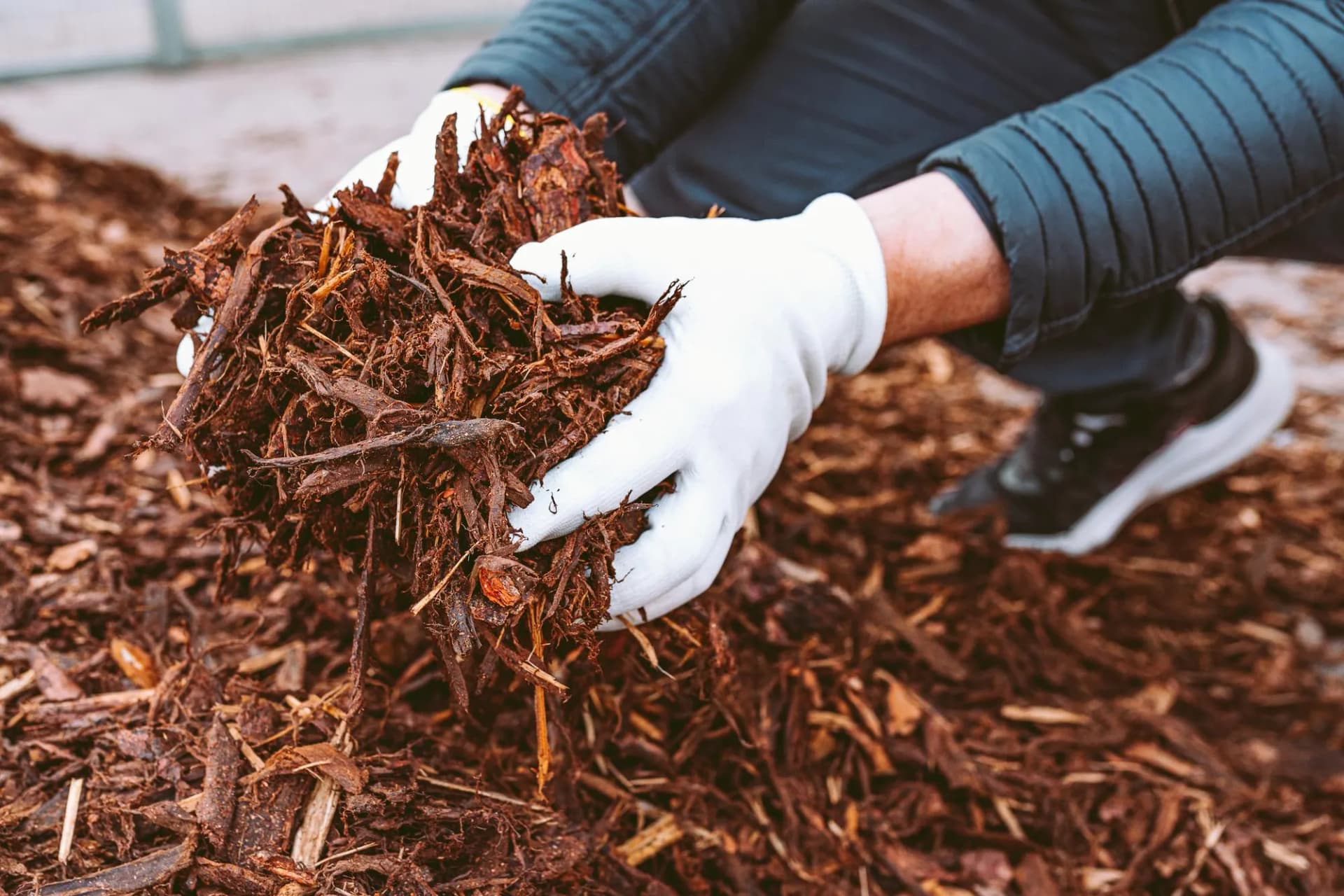
How to Mulch in the Fall and When to Wait Until Spring

5 min read · 12 Nov 2026

How to Mulch in the Fall and When to Wait Until Spring

In the fall, mulch gives the roots of trees and shrubs insulation and more stable conditions through winter. In the spring, it mainly suppresses weeds and keeps moisture in the soil during the growing season.

Beginner Guides
How to Mulch in the Fall and When to Wait Until Spring
Top 5 Best Indoor Plants for Air Quality

5 min read · 11 Sept 2026

Top 5 Best Indoor Plants for Air Quality

Indoor plants can make a room feel fresher thanks to their air-purifying qualities. Here are 5 of the most suitable choices for your routine and living space.

Plant Recommendations
Top 5 Best Indoor Plants for Air Quality
How to Clean Plant Leaves: A Simple Care Guide

6 min read · 4 Aug 2026

How to Clean Plant Leaves: A Simple Care Guide

Dusty leaves look dull and don't absorb light well. Below, you'll find simple ways to clean them, which tools are truly effective, how often you should do it, and what causes damage.

Beginner Guides
How to Clean Plant Leaves: A Simple Care Guide