


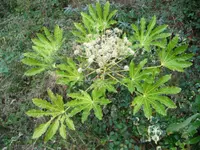
Best Soil for Japanese pieris (Pieris japonica)

Pieris japonica grows best in loose, organic soil with reliable drainage and acidity that supports healthy root function.

Soil Texture

Loamy, Peaty, Organic-rich

Soil pH

Strongly acidic (4.5–5.5), Acidic (5.5–6.5)

Soil Drainage

Moist but well-drained

Pieris japonica Soil Guide

Native to Japan, Taiwan, and eastern China, Pieris japonica grows in woodland settings where soil is rich in leaf litter, consistently moist, and naturally acidic. That background explains why the best soil for Japanese pieris feels loose and humus-rich rather than heavy or chalky.

Its root system is relatively fine and benefits from soil that holds steady moisture while still letting air move through. Loamy, peaty, organic-rich soil supports those roots by balancing water retention with drainage, so the root zone stays cool, evenly moist, and well aerated.

A homemade mix can give better control over texture and drainage for Pieris japonica, especially in containers or raised beds.

100% total mix = 20 scoops
10%
compost2 scoops
20%
perlite or pumice4 scoops
30%
pine bark fines6 scoops
40%
peat moss or coco coir8 scoops

The finished blend should feel light, springy, and slightly crumbly, holding some moisture while excess water moves through without pooling.

Japanese pieris prefers acidic soil, with a good target range of about 4.5–6.5 pH. In that range, key nutrients such as iron remain more available to the roots.

As pH rises toward neutral, nutrient uptake becomes less efficient even if the soil is otherwise rich. Keeping the root zone consistently acidic supports steadier growth and healthier foliage over time.

This species can react poorly when root conditions stay out of balance for long periods. Checking the soil early can help rule out a common cause.

Compacted soil:

Dense soil limits air around the roots and can slow growth, so gently loosen the surface and work in fresh organic material nearby.

Soggy root zone:

Poor oxygen flow in saturated soil can stress roots, so first check drainage and remove any saucer water that lingers.

Alkaline drift:

If the growing medium gradually loses acidity, nutrient uptake may decline, so test the pH and switch to an acid-formulated amendment if needed.

Dried-out organic mix:

Very dry peaty soil can shrink and repel water, so rewet it slowly and evenly rather than soaking it all at once.

Soil Advice in Seconds

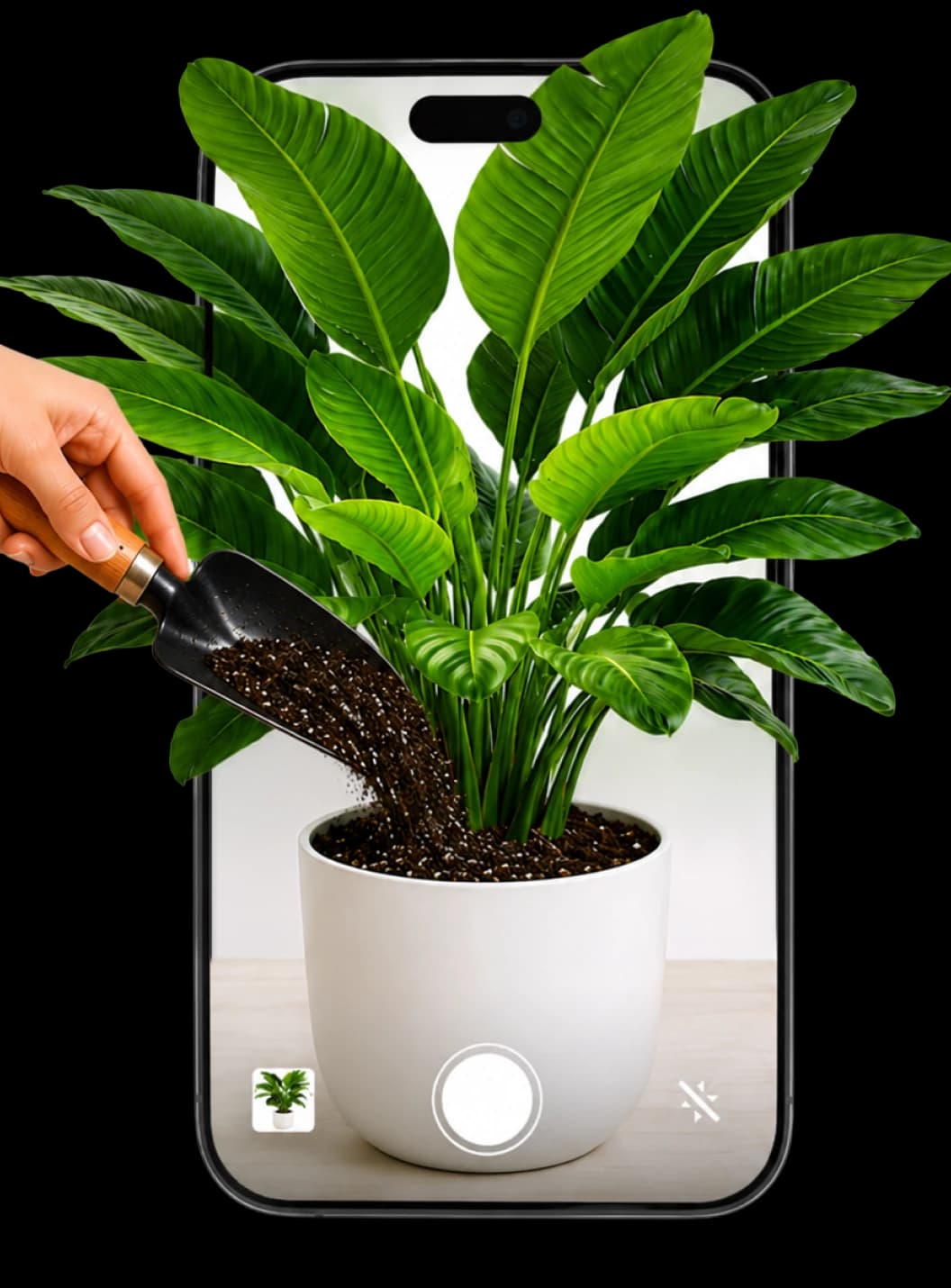
Botan helps match this plant to a more suitable soil setup based on its growing conditions, container style, and visible root-zone needs.

FAQ

Yes. Drainage holes help excess water leave the container, which protects the fine roots from staying waterlogged and keeps the root zone more balanced over time.

More Plant Soil Guides

See If Soil Is the Issue

If growth or foliage looks off, Botan’s photo-based assessment can help check whether soil conditions may be part of the problem.

Botan app helping with soil and plant care
Best Water for Plants – How to Choose the Right Type

7 min read · 13 Aug 2026

Best Water for Plants – How to Choose the Right Type

Rainwater, filtered, distilled, and tap water affect plants differently. Learn which types support healthy growth and which cause slow damage. Match each to your plants and discover how to easily improve tap water quality.

Plant Care
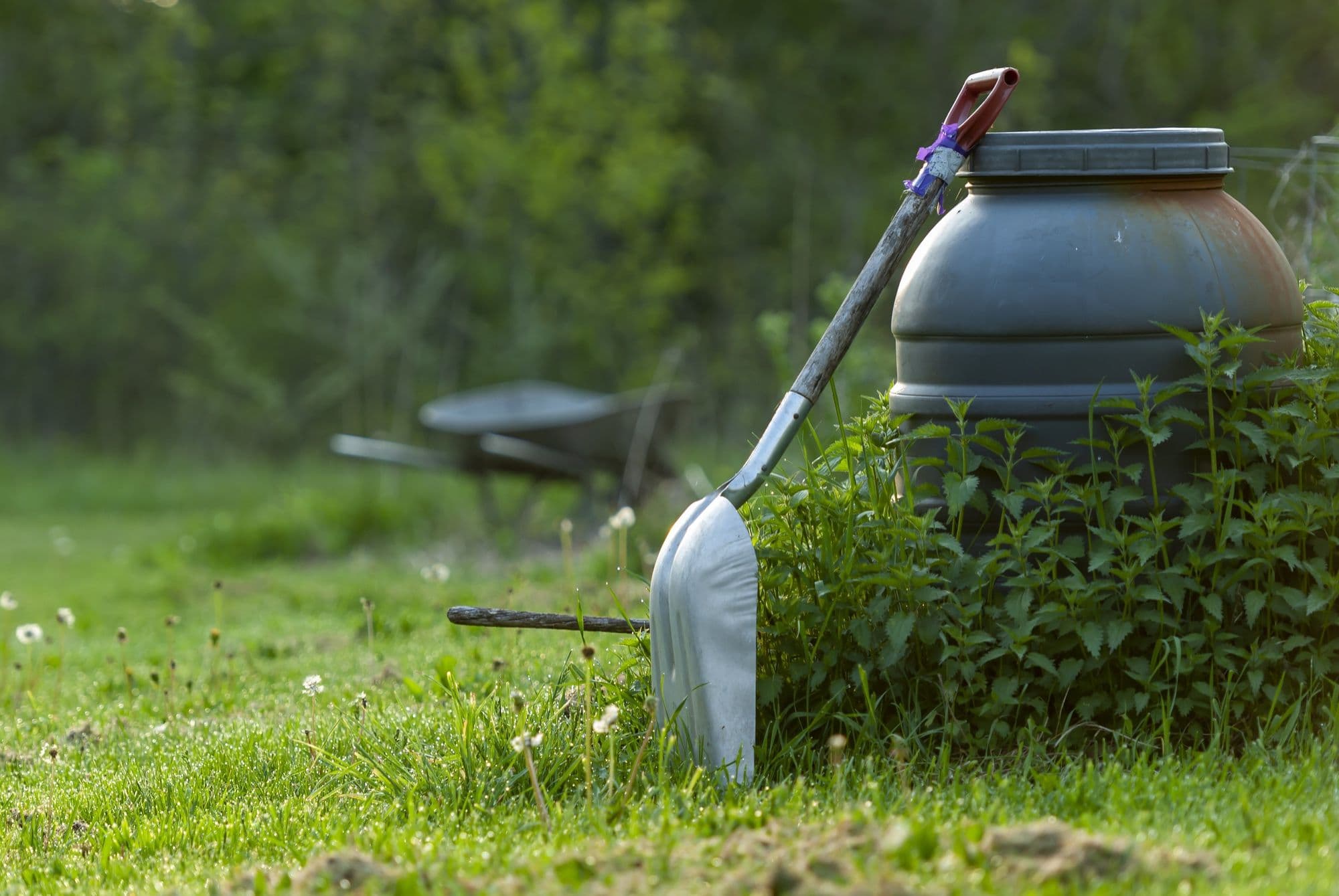
Best Water for Plants – How to Choose the Right Type
Best Fertilizer for Grass in Summer: How to Choose the Right One

6 min read · 18 Aug 2026

Best Fertilizer for Grass in Summer: How to Choose the Right One

The right fertilizer in summer can make a lawn thrive. The wrong one can damage it. Here, you’ll learn the best NPK ratios by grass type, when and how to apply your formula, and how to recognize the signs of over- or under-fertilizing.

Plant Care
Best Fertilizer for Grass in Summer: How to Choose the Right One
How to Mist Plants – Proper Technique and Common Mistakes

7 min read · 30 Jul 2026

How to Mist Plants – Proper Technique and Common Mistakes

Find out when misting works well and when to avoid it. Here, you’ll find detailed information about compatible and incompatible species, tips on how often to mist plants and do it correctly, and some great alternatives for raising humidity.

Beginner Guides
How to Mist Plants – Proper Technique and Common Mistakes