

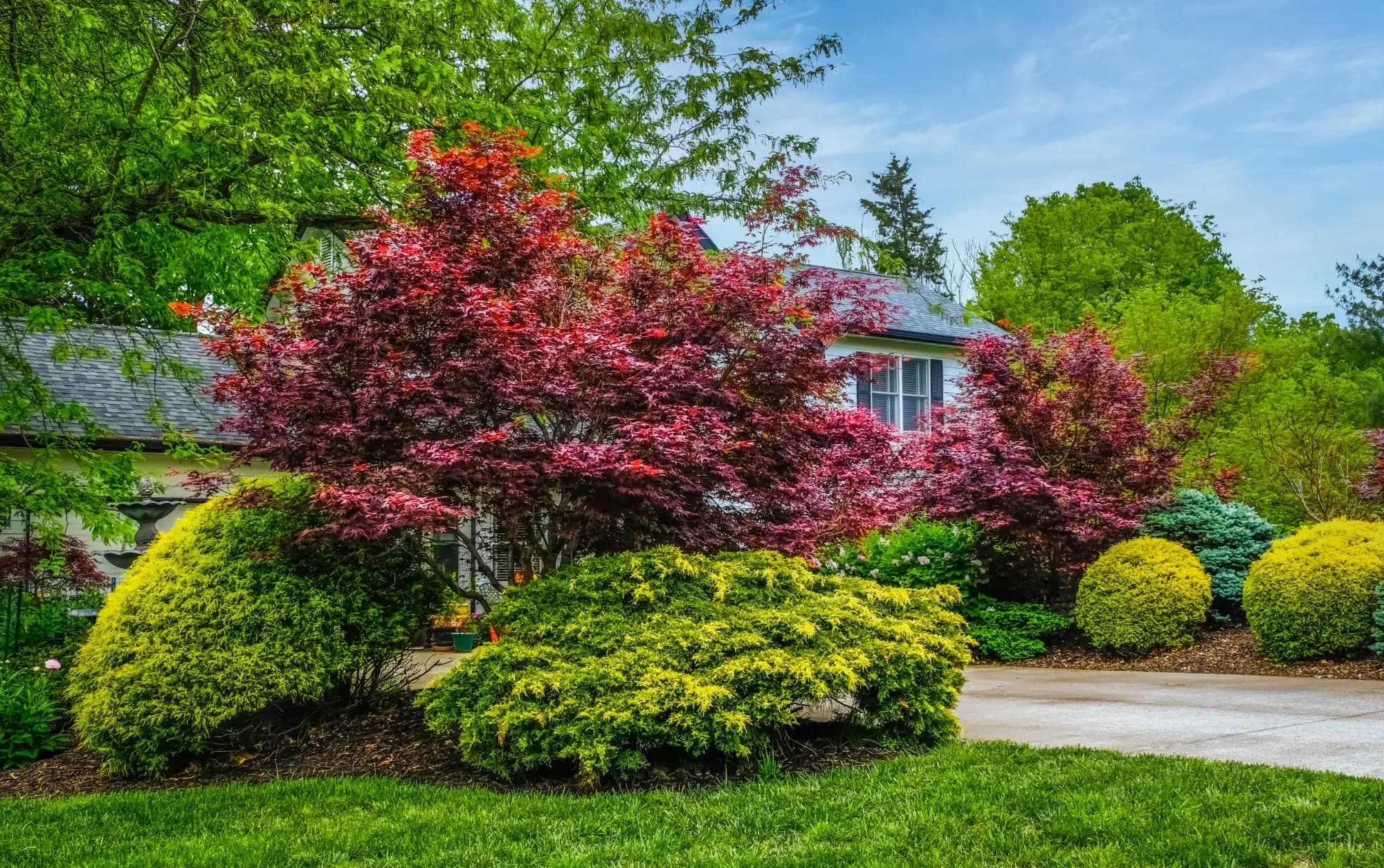
Japanese pieris (Pieris japonica) Light Needs

Japanese pieris grows best in partial shade with bright filtered light and gentle morning sun.

Light Preference

Partial Shade

Pieris japonica Light Requirements

In its native woodland habitats in Japan, Japanese pieris grows along forest edges, wooded slopes, and thickets where overhead canopy softens the sun. It may receive brighter seasonal light in cooler months or at exposed edges, but harsh, hot afternoon sun is limited. This pattern explains its garden tolerance for sun in cool conditions and shade in warm sites. Preferred light is partial shade with filtered brightness.

  • Ideal exposure:

    Pieris japonica needs about 6–8 hours of bright filtered light daily, including 2–4 hours of gentle direct morning sun.

  • Gentle sun:

    Morning sun is useful for flowering and compact growth, especially in cooler climates.

  • Hot afternoon sun:

    Full sun is tolerated best where summers are mild; in hot sites, afternoon shade lowers scorch risk.

  • Shade tolerance:

    The shrub can grow in shade, but deep shade often means fewer flowers and looser growth.

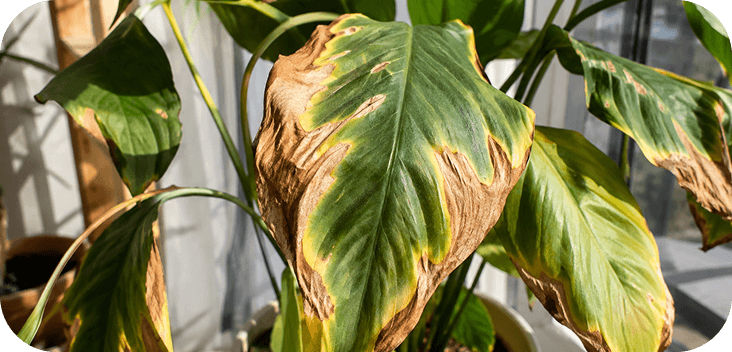
Strong afternoon sun can stress the foliage, especially after a sudden move from shade.

Scorched patches:

Tan, papery patches may appear on upper or outer leaves that face the hottest sun.

Washed foliage:

Leaves can look pale, bronzed, or dull where light is intense for several hours.

Crisp new growth:

Tender new leaves may dry or curl when exposed before they harden.

One-sided damage:

Symptoms often show most strongly on the south or west side of the plant.

Shift the plant to filtered light or afternoon shade, then let damaged leaves remain until normal pruning time. Avoid moving it from deep shade into full sun in one step.

Japanese pieris can tolerate shade, but dense shade may limit flowering and make growth less compact. This is most noticeable during spring growth and bud formation.

  • Fewer flowers:

    Flower buds may form sparsely when the plant receives little bright light during the growing season.

  • Open branching:

    New stems may stretch toward brighter areas, leaving wider gaps between leaves.

  • Small new leaves:

    Fresh growth can be smaller and weaker when shade is too deep.

  • Leaning growth:

    Container plants or young shrubs may lean toward the brightest side.

Move it to brighter filtered light or a spot with morning sun. Make the change gradually if the new position is much brighter.

If ideal partial shade is not available, choose morning sun with afternoon protection as the best compromise.

In open sites, add filtered cover during the hottest part of the day or move a container a few feet back from reflected heat.

Turn container-grown shrubs every few weeks so each side receives similar brightness. A hot, exposed wall is a poor setup because it intensifies afternoon sun and reflected heat.

Get Personalized Care Plan

Scan your plant to receive care tips personalized for your specific plant

FAQ

Japanese pieris light requirements are best met with partial shade, bright filtered light, and some gentle morning sun. In hot areas, afternoon shade is usually safer than all-day exposure.

Everything About Japanese pieris

More Plant Light Guides

Get the Botan App

Discover how to care for your plants with Botan.

Botan app identifying a plant with a phone camera
13 Best Front Yard Trees for Every Home and Yard

12 min read · 7 Aug 2026

13 Best Front Yard Trees for Every Home and Yard

A front yard tree can stay for decades. Therefore, choosing one deserves serious consideration. Here are 13 trees that have proven themselves, sorted by their purpose. You'll also find five species to avoid and basic planting information.

Plant Recommendations

13 Best Front Yard Trees for Every Home and Yard
Frozen vs Fresh Vegetable Nutrients: Which Option Is Healthier?

6 min read · 8 Sept 2026

Frozen vs Fresh Vegetable Nutrients: Which Option Is Healthier?

Frozen and fresh vegetables are nutritionally comparable: frozen produce often retains vitamins just as well as fresh and may sometimes contain more. Here’s how blanching and storage affect nutrients—and when to choose each.

Plant Recommendations
Frozen vs Fresh Vegetable Nutrients: Which Option Is Healthier?
Plants That Repel Bugs – 20 Effective Options

12 min read · 16 Jul 2026

Plants That Repel Bugs – 20 Effective Options

Mosquitoes on the patio? Gnats in the kitchen? Some plants keep them away with the scent of their own leaves. Here are 20 that deal with mosquitoes, flies, aphids, and more, plus where to put them so they help.

Plant Recommendations
Plants That Repel Bugs – 20 Effective Options