

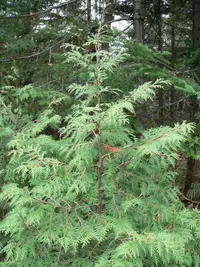
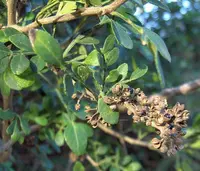
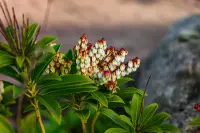
Evergreen spindle (Euonymus japonicus) Light Needs

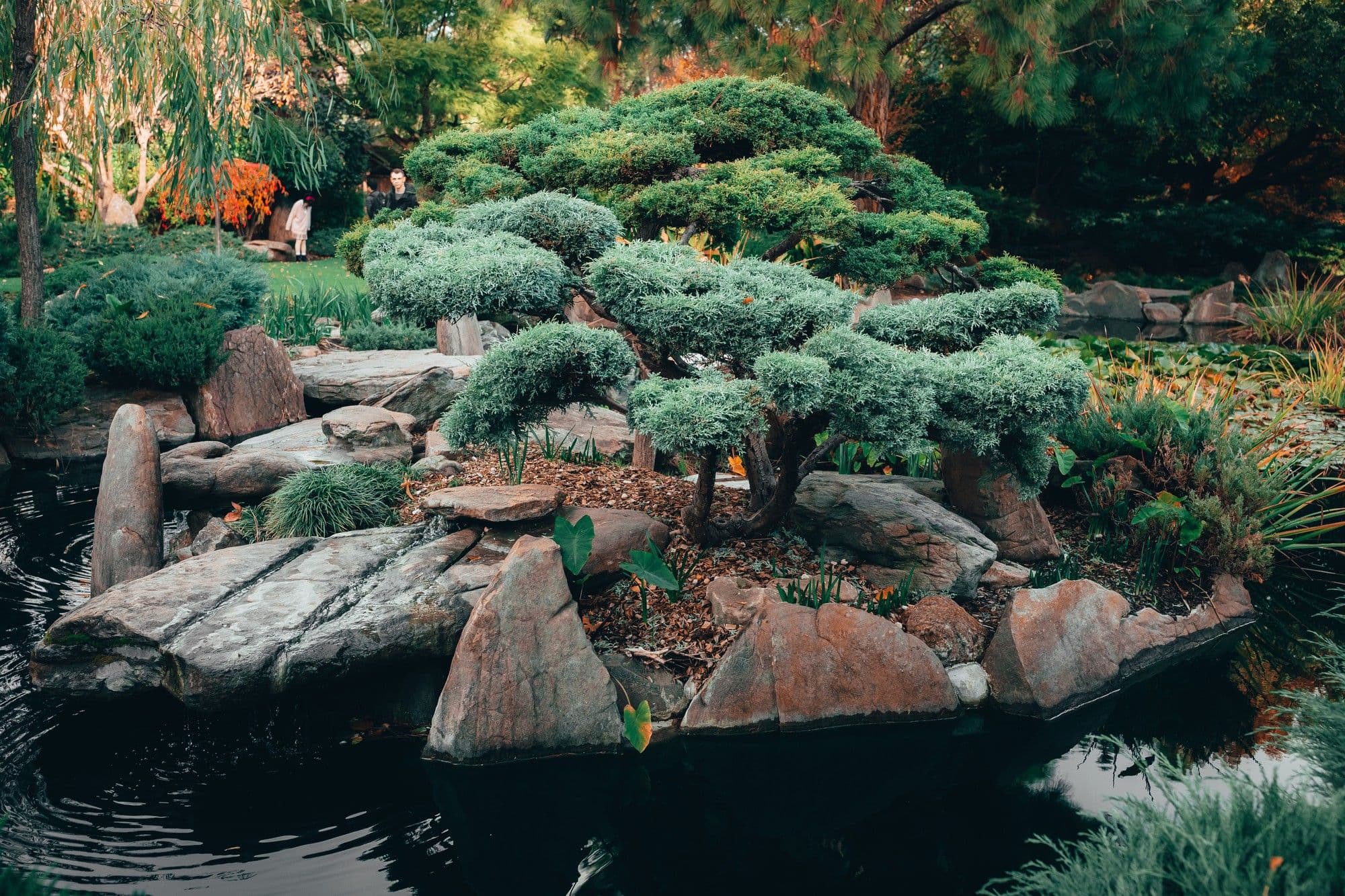
Evergreen spindle grows best in partial sun, with bright light and several hours of direct sun.

Light Preference

Partial Sun

Euonymus japonicus Light Requirements

Euonymus japonicus is native to coastal and lowland areas of East Asia, where it grows in open scrub, woodland edges, and thickets. In these settings, it may receive direct sun for part of the day, with some shelter from nearby vegetation.

This background explains its flexibility in gardens and containers, especially in hot sites. It tolerates shade, but its preferred light is partial sun.

  • Ideal exposure:

    Ideal exposure: Euonymus japonicus needs about 6–8 hours of bright outdoor light daily, including about 3–5 hours of direct sun, preferably morning or late-day sun.

  • Full sun tolerance:

    Established plants can tolerate full sun, but hot afternoon exposure is safest after gradual acclimation and steady outdoor conditions.

  • Light shade:

    Light shade is tolerated, although growth is usually looser and leaf color may be less defined.

  • Afternoon protection:

    In warm climates, partial shade during the strongest afternoon sun reduces scorch risk on exposed leaves.

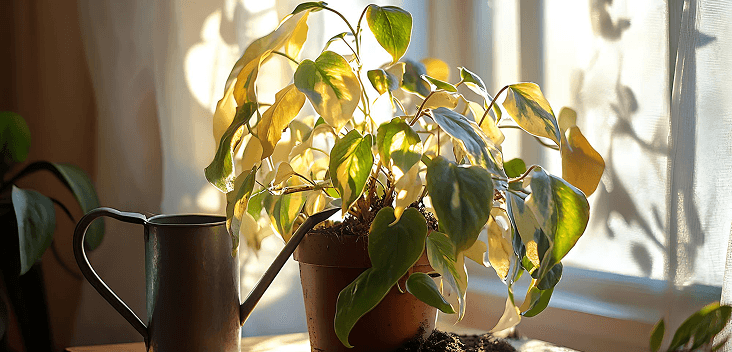
Strong sun can stress foliage, especially after a sudden move from shade. These signs are most likely on outer, upper leaves.

Bleached patches:

Pale, tan, or whitish areas may appear on the most exposed leaf surfaces.

Crisp exposed spots:

Dry brown patches can form where leaves face direct afternoon sun or reflective heat.

Faded color:

Variegated or glossy leaves may look washed out rather than clear and firm.

Midday flagging:

New tips may droop during intense sun, then recover as temperatures fall.

Move the plant to morning sun or bright filtered light. If more sun is needed, increase exposure over 1–2 weeks rather than making an abrupt change.

Low light usually shows as weak structure rather than sudden damage. Euonymus japonicus may survive shade, but it often loses density.

  • Long gaps:

    Stems may stretch, with wider spacing between pairs of leaves.

  • One-sided growth:

    Shoots may lean strongly toward the brightest opening instead of filling out evenly.

  • Duller variegation:

    Variegated leaves may show more green and less contrast when light stays weak.

  • Small new leaves:

    New growth may be smaller and sparser during the active season.

  • Fewer flowers:

    Shaded plants may produce fewer small spring flowers than plants in brighter sites.

Shift the plant to brighter partial sun or bright filtered light. Make the change gradually if it has been in deep shade.

If the ideal site is unavailable, choose bright partial sun over deep shade. Prioritize 3–5 hours of gentle direct sun, then protect the plant from the hottest afternoon exposure.

Thin nearby overgrowth or move containers a few feet toward open sky to improve light. Rotate container specimens every few weeks for even, dense growth.

Deep shade under dense cover is a poor long-term setup because growth becomes sparse and leaf color can weaken.

Get Personalized Care Plan

Scan your plant to receive care tips personalized for your specific plant

FAQ

Evergreen spindle light requirements are best met with partial sun: bright outdoor light plus several hours of direct sun. It also tolerates full sun or light shade when conditions are adjusted gradually.

Everything About Evergreen spindle

More Plant Light Guides

Get the Botan App

Discover how to care for your plants with Botan.

Botan app identifying a plant with a phone camera
Best Fertilizer for Grass in Summer: How to Choose the Right One

6 min read · 18 Aug 2026

Best Fertilizer for Grass in Summer: How to Choose the Right One

The right fertilizer in summer can make a lawn thrive. The wrong one can damage it. Here, you’ll learn the best NPK ratios by grass type, when and how to apply your formula, and how to recognize the signs of over- or under-fertilizing.

Plant Care
Best Fertilizer for Grass in Summer: How to Choose the Right One
Planting Grass Seed in Summer – What Works and What Fails

7 min read · 6 Aug 2026

Planting Grass Seed in Summer – What Works and What Fails

Summer seeding succeeds when the grass type suits the season, and the soil stays moist. Find out how to prepare the seedbed and choose a safe window for planting.

Plant Care
Planting Grass Seed in Summer – What Works and What Fails
How to Group Plants in Landscaping: A Practical Layout Guide

8 min read · 31 Aug 2026

How to Group Plants in Landscaping: A Practical Layout Guide

Good plant grouping can mean the difference between a well-planned garden and one that looks sloppy. This guide explores layers, spacing, cluster shapes, and the plants that thrive when you group them.

Plant Care
How to Group Plants in Landscaping: A Practical Layout Guide