


arrowwood viburnum (Viburnum dentatum) Light Needs

arrowwood viburnum grows best in full sun, with partial sun tolerated when the site stays bright.

Light Preference

Full Sun

Viburnum dentatum Light Requirements

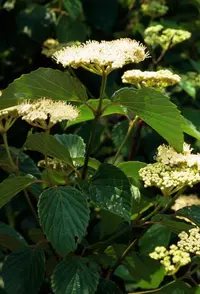
In its native range in eastern North America, arrowwood viburnum grows along woodland edges, thickets, stream banks, and open moist sites. These habitats often provide strong seasonal sun, especially at edges and openings, with some filtered light where taller vegetation is nearby. Cultivated plants flower and grow most densely with open exposure. Preferred light is full sun in most gardens.

  • Ideal exposure:

    arrowwood viburnum needs about 6–8 hours of full sun daily, with 6 or more hours of direct sun for strongest flowering.

  • Full sun:

    Established shrubs tolerate direct sun through most of the day when roots are settled and heat is not extreme.

  • Partial sun:

    About 4–6 hours of direct light can work, but growth may be looser and flowering lighter.

  • Afternoon heat:

    In very hot sites, morning sun with light afternoon filtering can reduce leaf scorch risk.

Full-sun tolerance does not prevent stress after abrupt exposure.

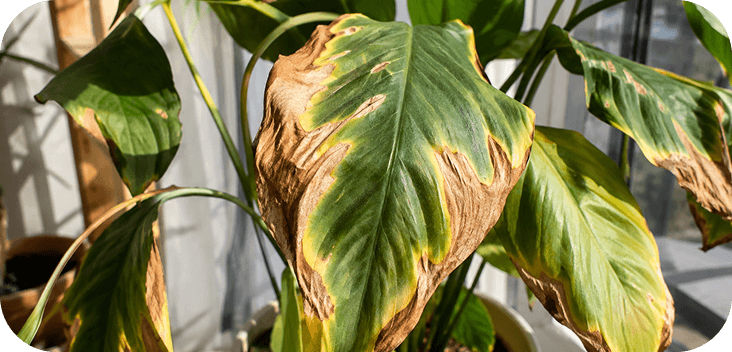
Scorched outer leaves:

Pale tan or brown patches may appear on the sun-facing side, especially after moving from shade into hot sun.

Bleached foliage:

Leaves can look washed out before damaged areas turn dry and papery.

Midday wilting:

Foliage may flag during the hottest afternoon hours even when it looks normal earlier in the day.

Damaged blooms:

Flower clusters can brown faster in intense heat and hard afternoon sun.

Shift container-grown Viburnum dentatum to gentler morning sun, or add temporary shade during the hottest part of the day. Increase exposure gradually after pruning or relocation.

Too little light usually shows as weak growth during the active season. Shade also reduces flowering.

  • Longer spacing:

    New stems may stretch, with wider gaps between leaves and a thinner outline.

  • Leaning growth:

    Branches often angle toward the brightest opening instead of filling evenly.

  • Fewer flowers:

    Bud formation can drop, so spring bloom is lighter or scattered.

  • Small new leaves:

    New leaves may develop smaller than older leaves when light stays limited.

Move container-grown Viburnum dentatum into a brighter outdoor position, or transplant during the appropriate season if the site is consistently shaded. Choose partial sun at minimum.

When full sun is not available, choose the brightest outdoor site with at least half a day of direct sun. Prioritize morning sun if the only alternative is harsh reflected afternoon heat.

Remove nearby shade sources where practical, and keep the shrub from being crowded by fences, walls, or dense overhangs.

Deep shade is a poor setup because it reduces dense growth and flowering.

Get Personalized Care Plan

Scan your plant to receive care tips personalized for your specific plant

FAQ

The best light for arrowwood viburnum is full sun, usually 6–8 hours of direct sun daily. Partial sun is tolerated, but flowering may be less dense.

More Plant Light Guides

Get the Botan App

Discover how to care for your plants with Botan.

Botan app identifying a plant with a phone camera
Best Water for Plants – How to Choose the Right Type

7 min read · 13 Aug 2026

Best Water for Plants – How to Choose the Right Type

Rainwater, filtered, distilled, and tap water affect plants differently. Learn which types support healthy growth and which cause slow damage. Match each to your plants and discover how to easily improve tap water quality.

Plant Care
Best Water for Plants – How to Choose the Right Type
How to Bottom Water Plants: Complete Guide

6 min read · 13 Jul 2026

How to Bottom Water Plants: Complete Guide

Bottom watering helps soil absorb moisture evenly and keeps foliage dry, reducing the risk of missed dry spots or root problems. Place the pot in a tray of water for a short time, then let it drain well.

Plant Care
How to Bottom Water Plants: Complete Guide
12 Most Wanted Rare Houseplants to Grow at Home

6 min read · 21 Sept 2026

12 Most Wanted Rare Houseplants to Grow at Home

Rare houseplants can turn an ordinary corner in your apartment into a living botanical collection. This guide covers 12 most admired picks, what makes them special, and how to grow them successfully at home.

Plant Recommendations
12 Most Wanted Rare Houseplants to Grow at Home