


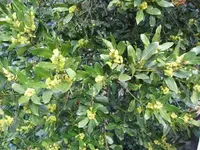
cherry laurel (Prunus laurocerasus) Light Needs

cherry laurel grows best in partial shade to partial sun, with protection from harsh, prolonged afternoon sun.

Light Preference

Partial Shade

Prunus laurocerasus Light Requirements

Prunus laurocerasus is native to areas around the Black Sea and parts of southeastern Europe and western Asia, where it grows along woodland edges, ravines, and sheltered slopes. These sites provide a mix of seasonal sun, filtered light, and partial shade, with stronger light at open edges. In cultivation, that background explains its tolerance of both sun and shade. Preferred light is partial shade to partial sun.

  • Ideal exposure:

    cherry laurel needs about 4–6 hours of bright filtered light or partial sun daily, including 2–4 hours of gentle direct morning sun.

  • Full sun tolerance:

    Established plants can tolerate full sun, especially in cooler coastal or mild climates, if exposure increases gradually.

  • Shade tolerance:

    Light shade is acceptable, but dense shade usually produces looser growth and fewer flowers.

  • Afternoon sun:

    Hot west-facing sun and reflected heat are tolerated less well than morning sun, particularly for young or recently moved plants.

Strong light is usually tolerated, but stress can appear after sudden exposure or during hot afternoon sun.

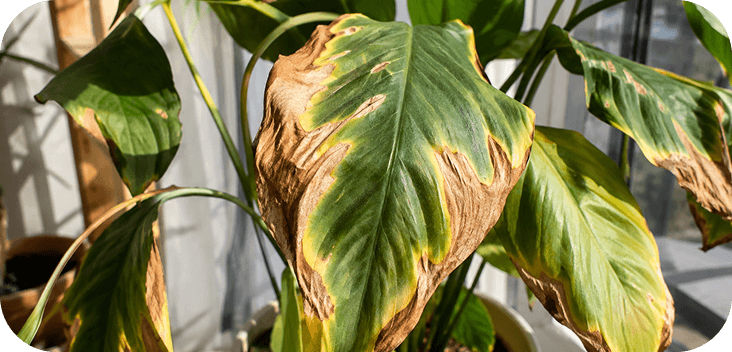
Scorched leaf patches:

Leaves may develop tan or brown areas on the most exposed surfaces, especially on the south or west side of the shrub.

Bleached new growth:

Fresh leaves can look pale or dull when tender growth is pushed quickly into stronger sun.

Heat-facing wilt:

Foliage may droop during intense afternoon sun, then look firmer when the light weakens.

Uneven outer damage:

Prunus laurocerasus often shows sun stress first on outer leaves, while shaded inner leaves remain greener.

Move container-grown plants into morning sun or bright shade. For established shrubs, add temporary shade cloth during extreme heat and avoid sudden moves into full sun.

Low light is tolerated better than by many broadleaf evergreens. Deep shade can still weaken the shape and reduce flowering.

  • Open growth:

    Stems may stretch with wider gaps between leaves as the plant reaches toward brighter conditions.

  • Leaning habit:

    New growth may angle toward the strongest light instead of filling evenly around the shrub.

  • Fewer flowers:

    Flowering can be reduced when Prunus laurocerasus sits in dense shade through the growing season.

  • Small new leaves:

    Fresh growth may stay smaller and thinner when light is too weak for steady active-season growth.

Increase exposure gradually by choosing brighter shade or a site with morning sun. Avoid shifting a shaded plant straight into harsh afternoon sun.

Choose bright shade or morning sun when the ideal site is not available. Avoid placing a young shrub where reflected heat adds to strong afternoon sun.

Increase exposure in stages if a plant has been growing in shade. Rotate container-grown plants every few weeks so all sides receive similar light.

Dense, all-day shade is a poor long-term setup because it encourages open growth and fewer flowers.

Get Personalized Care Plan

Scan your plant to receive care tips personalized for your specific plant

FAQ

The best light for cherry laurel is partial shade to partial sun. It grows with filtered light, morning sun, or open shade, and can handle brighter exposure when heat is not extreme.

Everything About cherry laurel

More Plant Light Guides

Get the Botan App

Discover how to care for your plants with Botan.

Botan app identifying a plant with a phone camera
10 Easy Garden Flowers to Grow

8 min read · 10 Sept 2026

10 Easy Garden Flowers to Grow

Discover 10 garden flowers that require minimal care. Learn which characteristics make plants easy to grow and follow tips on how to create a beautiful corner from beginner-friendly blooms on your property.

Beginner Guides
10 Easy Garden Flowers to Grow
How to Use a Moisture Meter for Plants

5 min read · 4 Sept 2026

How to Use a Moisture Meter for Plants

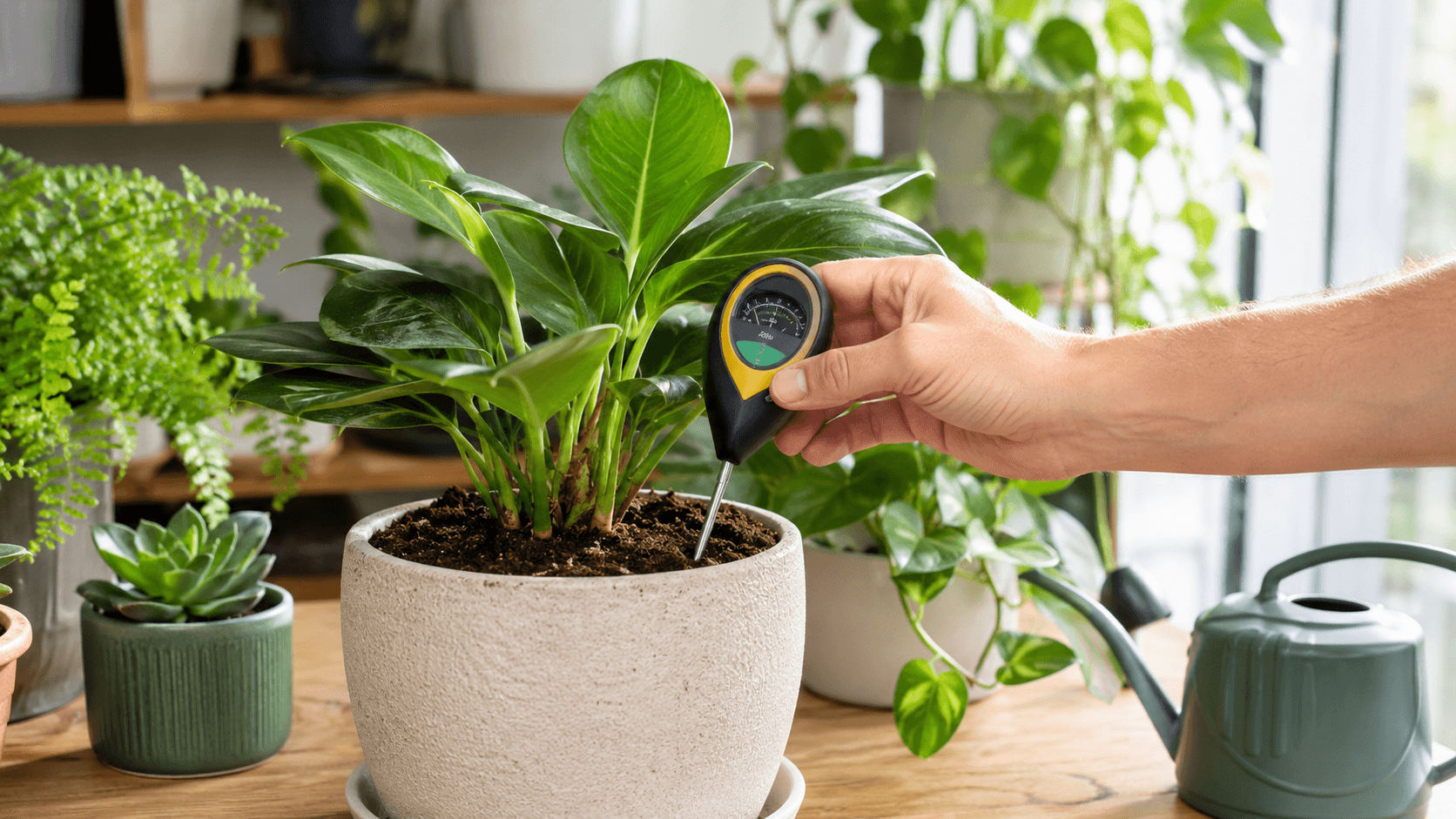
Watering by feel kills plenty of houseplants. A moisture meter checks the soil for you, and takes the guesswork out of it. This guide will show you how to use it correctly, from the first touch to the final reading.

Beginner Guides
How to Use a Moisture Meter for Plants
How to Repot a Plant: A Step-by-Step Guide

7 min read · 28 May 2026

How to Repot a Plant: A Step-by-Step Guide

In spring, many plants need repotting—an essential part of care. To avoid stress, consider the plant’s type and size. This article offers a step-by-step guide for repotting indoors or outdoors and shows how to check plant health and get care tips using the Botan app.

Plant Care
How to Repot a Plant: A Step-by-Step Guide