cherry laurel Care (Prunus laurocerasus)

Also known as: Common Laurel, English Laurel
cherry laurel

About cherry laurel

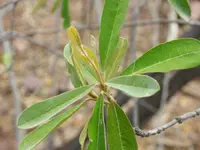
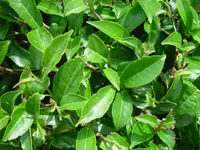
Cherry laurel, Prunus laurocerasus, is an evergreen shrub or small tree commonly used for dense hedges and privacy screens. It keeps its glossy, dark green leaves year-round, giving a solid visual barrier.

In nature it occurs from southeastern Europe to western Asia, often in woodland edges and shaded slopes. It grows fast, tolerates regular pruning, and adapts to many soils, which makes it straightforward to care for cherry laurel in most gardens.

This species prefers moderate light, from bright shade to partial sun, and evenly moist but well-drained soil. Its toughness and ability to cope with urban conditions make it popular in residential landscapes.

Main Plant Requirements

Care Difficulty

Easy Care

Light Preference

Partial Shade

Water Requirements

Moderate Water

Temperature Preference

Cold Hardy

Hardiness Zone

5–9

Soil Texture

Loamy, Clay, Organic-rich

Soil pH

Acidic (5.5–6.5), Slightly acidic (6.5–7.0)

Soil Drainage

Moist but well-drained

Fertilization

Minimal (feed rarely)

Get Personalized Care Plan

Scan your plant to receive care tips personalized for your specific plant

Available on iOS and Android

How to Care for the cherry laurel

This evergreen shrub prefers moderate sun exposure with some daily shade for best foliage quality.

  • Provide 3–6 hours of direct morning or late-afternoon sun, with light or dappled shade during the hottest midday period.
  • Plant cherry laurel where it gets partial shade; dense full shade reduces flowering and causes sparse, stretched growth.
  • In hotter regions, protect from strong afternoon sun to prevent leaf scorch, while in cooler climates it can tolerate more open, bright exposure.

This shrub prefers consistently moist but not saturated soil, especially during establishment.

  • Before watering, let the top 3–5 cm of soil dry; the soil below should feel slightly damp but never soggy.
  • Increase watering during the first 1–2 growing seasons and in hot, dry spells; reduce frequency in cool, rainy, or winter periods.
  • Yellowing, soft leaves and a sour smell suggest overwatering and poor drainage, while dull, curling, or browning leaf edges indicate the plant is too dry.

This hardy shrub tolerates a wide temperature range but grows best in mild conditions.

  • Active growth is strongest at 60–75°F (16–24°C), with stable soil moisture and protection from extreme drying winds.
  • Most forms of Prunus laurocerasus tolerate winter lows around 0–5°F (-18 to -15°C) once established, though young plants need some shelter.
  • In summer, brief heat up to 95°F (35°C) is acceptable if soil does not dry out completely; prolonged heat or strong hot winds can scorch foliage.

This species tolerates a wide humidity range and usually does not need special humidity management outdoors.

  • Performs reliably at 30–60% humidity, which is common in most temperate outdoor climates.
  • Handles short periods of drier air without stress if soil moisture is kept consistent.
  • Minor humidity stress may show as browning leaf edges during hot, dry winds, which is better managed by mulching and deep watering than misting.

Prunus laurocerasus prefers moderately moist, structured soil that drains freely but does not dry out rapidly.

  • Use a loamy soil with a mix of mineral particles and organic matter so roots have both moisture and air space.
  • Aim for slightly acidic to neutral pH around 6.0–7.5 to support nutrient availability and reduce leaf yellowing.
  • In planting beds, blend native soil with 20–40% compost and some coarse sand or fine grit to improve structure and drainage.
  • Avoid heavy, waterlogged clay or compacted sites; if drainage is slow, raise the planting area or incorporate coarse material to increase aeration.

This shrub can be grown in containers, especially for patios and small gardens.

  • Choose a deep, wide container to allow a broad root system that stabilizes the dense, evergreen top growth.
  • Select a heavy, stable pot material such as ceramic or concrete in windy sites to reduce tipping risk as foliage mass increases.
  • Use a free-draining potting mix and elevate the container slightly off the ground so drainage holes do not become blocked and trap water.

Prunus laurocerasus benefits from modest feeding to support dense evergreen growth, especially in nutrient-poor soils.

  • Apply a balanced slow-release fertilizer (around 10-10-10) or well-rotted compost once in early spring as new growth begins.
  • In mid-summer, a second light application can support hedges under heavy pruning or on poor soils.
  • Use about half the label rate for container plants or newly planted shrubs to avoid root burn.
  • Stop feeding in late summer so cherry laurel can harden new growth before winter, and do not fertilize in winter.

Prunus laurocerasus responds well to pruning, which keeps hedges dense and encourages healthy new foliage.

  • Carry out main pruning in late spring to early summer after flowering, with optional light touch-ups in late summer.
  • Remove dead, diseased, or storm-damaged branches first, then thin crowded stems to improve light and airflow.
  • Shorten vigorous shoots to shape the hedge or shrub, cutting back to a healthy bud or side branch.
  • Use sharp hand pruners or loppers, avoiding cutting large stems with hedge trimmers to prevent ragged, browning leaves.

This shrub is usually grown in the ground, so focus on careful transplanting rather than frequent repotting.

  • Transplant in early spring or early fall when soil is workable and temperatures are mild, reducing stress on roots.
  • Move plants if growth is poor, roots circle the planting hole, or the shrub is clearly outgrowing its space.
  • Dig a wide root ball, keep it intact, and replant at the same depth in a well-drained, enriched soil mix.
  • Water deeply after planting, then keep soil evenly moist for several weeks to help roots re-establish and limit shock.

Prunus laurocerasus is most often propagated from semi-ripe cuttings, as seeds are slow and variable.

  • Take semi-ripe cuttings in mid to late summer from healthy, non-flowering shoots about 8–12 cm long.
  • Remove lower leaves, lightly wound the base, and dip in rooting hormone to increase rooting success.
  • Insert cuttings into a free-draining mix of coarse sand and peat-free compost, kept at 65–75°F and high humidity.
  • Layering low, flexible stems in spring is another reliable method; sever and transplant once strong roots form.

Mature Prunus laurocerasus is generally cold hardy in much of the US, but young or potted plants benefit from some winter care.

  • In cold regions, apply a 5–8 cm mulch layer around the root zone in late fall, keeping it away from the trunk.
  • Shield foliage from drying winds and strong winter sun using windbreak fabric or burlap screens where exposure is high.
  • For container plants, move pots into a sheltered, unheated but frost-free area, or wrap containers with insulating material.

Care Tips

Windbreak establishment

In open or coastal sites, plant a temporary windbreak fence or use shade cloth on the windward side for the first 1–2 years to reduce leaf scorch and help roots establish more quickly.

Staggered rejuvenation pruning

For overgrown hedges, cut back only 1⁄3 of the oldest stems to 15–30 cm above ground each winter for 2–3 years, which renews the plant gradually without leaving a bare hedge.

Airflow within hedges

When trimming, occasionally thin out entire inner stems rather than only shearing the surface so that light and air reach the interior, reducing fungal problems like powdery mildew and shot hole.

Root competition management

Avoid planting directly under mature trees with dense, shallow roots and, if unavoidable, install a root barrier or raised bed so the cherry laurel can access enough moisture and nutrients.

Winter weight relief

In regions with wet snow, gently shake or brush snow off the branches during heavy falls to prevent limb breakage, especially on long, horizontally trained hedge sections.

Common Pests and Diseases

Shot hole

This disease causes small brown or purple leaf spots that dry out and fall away, leaving round holes that resemble insect damage.

Solution

Remove and dispose of heavily affected leaves, avoid overhead watering, and rake fallen debris to reduce fungal and bacterial spores; if the problem is severe and recurring, use a labeled copper or chlorothalonil fungicide in early spring according to local cherry laurel care instructions.

Powdery mildew

This disease produces a white, powdery coating on young leaves and shoots, which can lead to distortion and reduced vigor in shaded or crowded plants.

Solution

Improve air circulation by thinning branches, avoid wetting foliage late in the day, and remove the most affected shoots; if needed, apply a sulfur or potassium bicarbonate fungicide labeled for ornamental shrubs when first symptoms appear.

Leaf miner

These insects create pale, winding tunnels inside cherry laurel leaves, causing blotchy or serpentine patterns that can make foliage look scorched or patchy.

Solution

Prune and dispose of heavily infested leaves to remove larvae and reduce population levels, and encourage natural predators by avoiding broad-spectrum insecticides; in severe cases, use a systemic insecticide specifically labeled for leaf miners on ornamental shrubs following label directions.

Vine weevil

This pest causes irregular notches along leaf edges from adult feeding, while larvae feed on roots and can weaken or kill container or young plants.

Solution

Inspect at night and hand-pick adults from foliage, use physical barriers or sticky bands on pots, and apply beneficial nematodes to the soil in late summer or early fall to target larvae around roots.

Cherry laurel aphid

These insects cluster on shoot tips and young leaves, sucking sap and causing curling, distortion, and sticky honeydew that can attract sooty mold.

Solution

Spray affected shoots with a strong stream of water to dislodge aphids, prune heavily infested soft tips, and introduce or conserve natural enemies such as lady beetles; if populations remain high, use an insecticidal soap or horticultural oil, ensuring thorough coverage of leaf undersides.

Interesting Facts

Cyanide-based defense

Leaves and seeds contain cyanogenic glycosides that release small amounts of hydrogen cyanide when crushed, which discourages many herbivores from feeding on the plant.

Evergreen in cold climates

Unlike many broadleaf shrubs, this species keeps its thick, glossy foliage year-round in much of temperate Europe and North America, giving reliable screening even where winters regularly drop below freezing.

Fragrant spring racemes

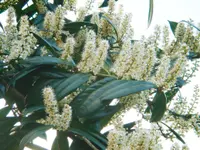
In spring, it produces upright clusters of small white flowers rich in nectar, which attract bees and other pollinating insects despite the plant’s otherwise toxic reputation.

Botan icon

Did you know?

The species has naturalized in several parts of western and northern Europe and is considered invasive in some regions, where its dense shade and allelopathic leaf litter can suppress native woodland ground flora and tree seedlings.

FAQs about cherry laurel

Brown leaves usually result from wind scorch, drought stress, or winter damage, sometimes combined with salt exposure or root disturbance. Check soil moisture, mulch the root zone, protect from harsh wind, and prune only dead tissue to support recovery.

Grow Healthy Plants with Botan Care

Keep your plants happy and healthy with plant identification, disease detection, and easy care guidance.

Botan plant care app — identify plants on mobile

Explore More Plants